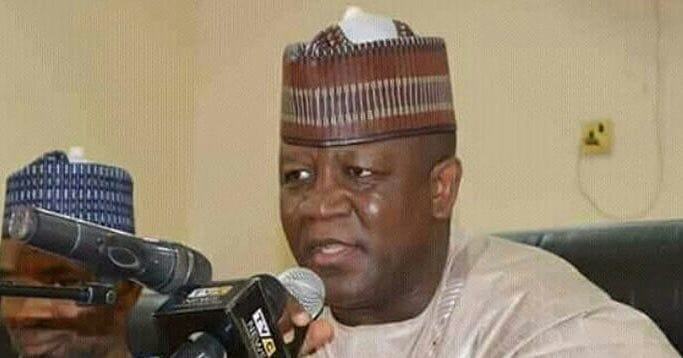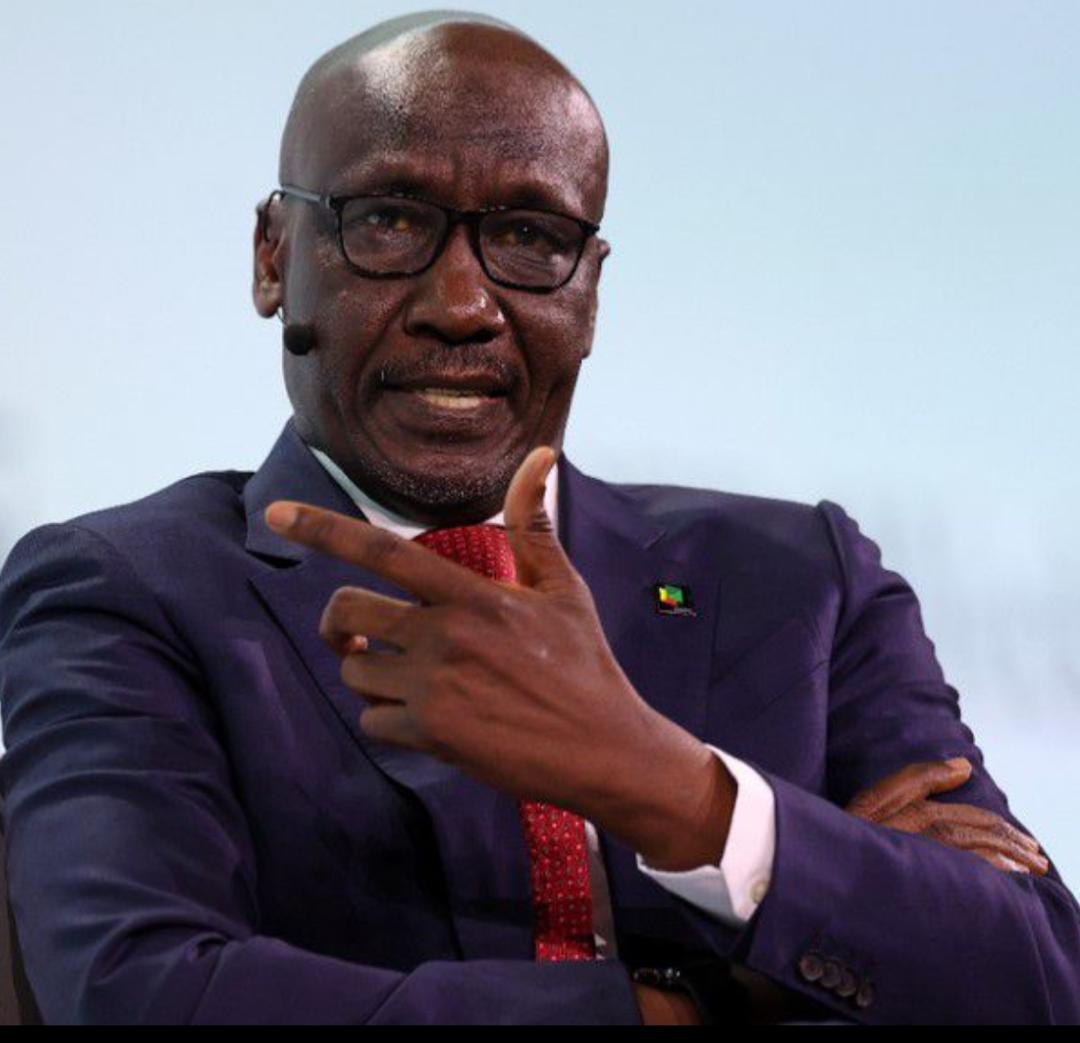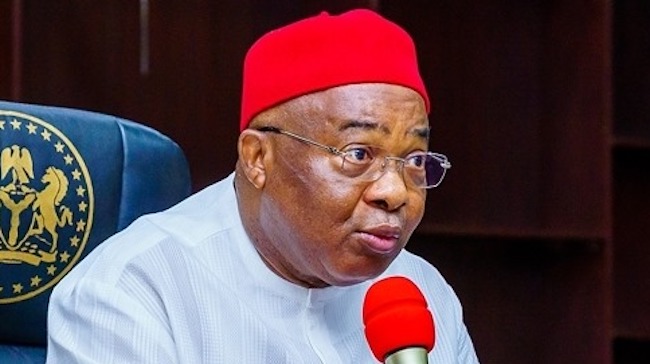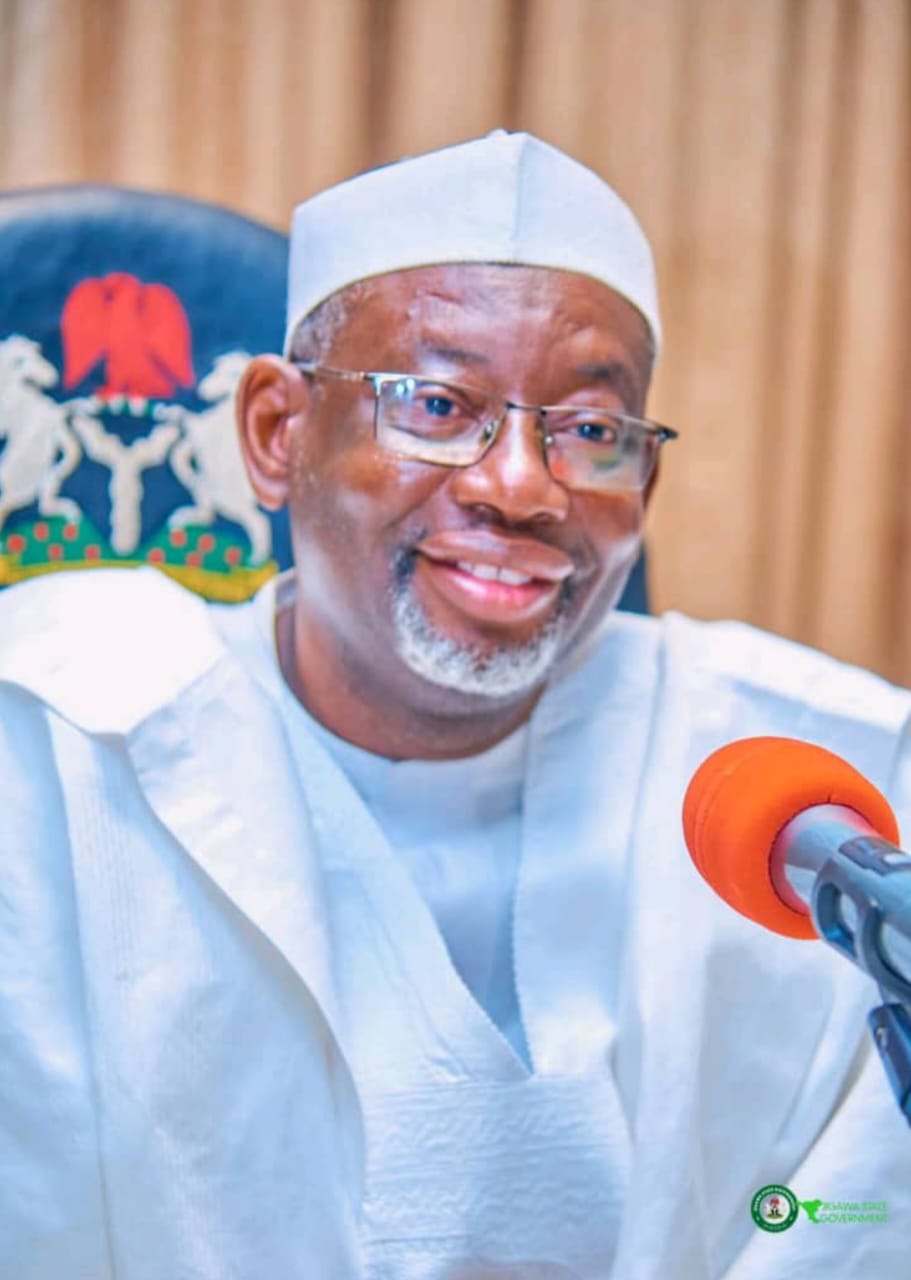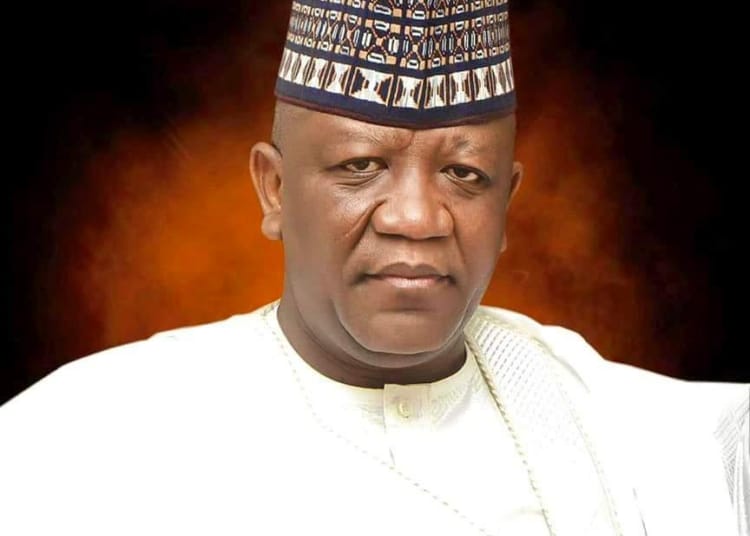
The claim that President Bola Ahmed Tinubu requires Senator Abdulaziz Yari to secure Zamfara or Northern votes in 2027 does not reflect the political realities on the ground. Electoral support in the North is driven by performance, party structure, and the capacity of leaders to deliver results for their people.
Matawalle’s Track Record in Zamfara and the North
1. Sacrifice for Party Victory in 2023 In the 2023 general elections, then-Governor Bello Mohammed Matawalle prioritized President Tinubu’s national victory over his own re-election bid. He mobilized his political structure across Zamfara to deliver votes for the APC presidential ticket, demonstrating loyalty to the party and the President at a critical moment.
2. Grassroots Acceptance and Human Capital Development Dr. Matawalle is widely regarded as one of the most accessible and impactful political figures in Zamfara. During and after his tenure as governor, he implemented programs targeting youth empowerment, women’s support, scholarships, and community development. This direct engagement has earned him significant goodwill among youths, women, and traditional institutions in the state.
3. Leadership in National Security As Minister of State for Defence, Dr. Matawalle has shifted focus to addressing Nigeria’s security challenges through strategic partnerships and industrialization. He is currently engaging international defence manufacturers to attract investment and technology transfer into Nigeria, with emphasis on local production of military hardware. This aligns with President Tinubu’s Renewed Hope Agenda of building self-reliance in defence and reducing dependence on imports.
4. Party Unity and Reconciliation Within the APC, Matawalle has been active in reconciliation efforts across Northern states, working to bridge divides among party stakeholders. His approach has been to prioritize party cohesion and the broader interest of the North within the national political framework.
Zamfara and the wider North have multiple political leaders with influence and followership. President Tinubu’s 2023 victory and prospects for 2027 are built on a coalition of party structures, governors, ministers, and grassroots mobilizers across the region. No single individual holds a veto over Northern votes.
The APC remains committed to internal cohesion, and the contributions of all stakeholders who have supported the President and the party will continue to be recognized.
Signed: Northern Political Communications Network.
Recent remarks by Sani Abdullahi Jaji, an aide to former Zamfara Governor Abdulaziz Yari, suggesting that President Bola Ahmed Tinubu risks political setbacks in the North in 2027 if Senator Yari leaves the APC, require a balanced response in the interest of factual clarity and party cohesion.
Commitment to Tinubu’s 2023 Victory In the 2023 presidential elections, the then Governor of Zamfara State, Bello Mohammed Matawalle, MON, prioritized the success of President Tinubu over his own gubernatorial re-election. He channeled his political structure, resources, and goodwill toward ensuring Tinubu’s victory nationwide, while others focused on personal electoral ambitions.
Grassroots Acceptance and Service to Zamfara Citizens Matawalle remains one of the most politically relevant and widely accepted leaders in Zamfara State. His interventions in youth empowerment, women and community support, and education have earned him broad recognition and goodwill across the state, particularly among youths, women, and elders.
Leadership in Security and National Defence As Honourable Minister of State for Defence, Matawalle is actively advancing the Federal Government’s agenda for security reform and indigenous defence production. He is currently engaging international partners to attract investment and technology transfer into Nigeria’s defence sector, with the aim of providing lasting solutions to the security challenges facing the North and the country at large.
Loyalty and Party Unity Matawalle has consistently demonstrated loyalty to President Tinubu and the APC. He has been instrumental in building bridges and promoting reconciliation among party members and aggrieved stakeholders in the North, reinforcing party unity ahead of future political engagements.
Context of Party Dynamics The current political discourse in Zamfara reflects the broader realignments ahead of the 2027 general elections. It is important that such discussions are guided by verifiable contributions to the party, to national security, and to the welfare of the people.
While acknowledging the contributions of all APC stakeholders, the record shows that Bello Matawalle has played a decisive role in advancing both the electoral success of the President and the strategic interest of Northern Nigeria within the APC.
Northern youth groups push community security pact with defence ministry
Abuja — A coalition of northern Nigerian civil society and youth organizations visited the Ministry of Defence this week, presenting a formal security collaboration proposal to Defence Minister General Christopher Musa (Retired) and calling for closer ties between community groups and the military establishment.
By Musa Maye
The delegation was led by Comrade Abdul Danbature, chairman of the Forum for Youth Development, Unity and Peace Initiative (FYDUPI), and included representatives from the Arewa Youth Assembly for Good Leadership (AYAGL), Ethnic Nationality Groups of Northern Nigeria, the Christian Youth Alliance, and a number of other affiliated civil society organizations.
The visit, described by organizers as a courtesy call, gave the groups an opportunity to formally table a proposal on strengthening national security through coordinated youth and community engagement across northern Nigeria — a region that has grappled for years with insurgency, banditry, intercommunal violence, and mass displacement.
What the groups proposed
Danbature walked the minister through several areas of proposed collaboration between FYDUPI and the Ministry, spanning grassroots intelligence-sharing with security agencies, interfaith peacebuilding between religious and ethnic communities, anti-drug campaigns targeting young people, and the mobilization of women and youth across the north under a unified advocacy platform.
The forum also proposed supporting public communication efforts around government and military achievements — an element of the proposal that positions the coalition partly as a civic messaging vehicle alongside its stated peacebuilding mandate.
Organizers said the breadth of the coalition — drawing in both Christian and Muslim youth organizations, as well as ethnic nationality groups — was deliberate, intended to signal cross-sectional buy-in for the initiative in a region often divided along religious and ethnic lines.
Minister’s response
Musa received the delegation warmly, according to a statement issued by FYDUPI, and expressed readiness to work with the forum and its partners. He emphasized the importance of peace and unity, and encouraged the groups to sustain advocacy for social cohesion at the grassroots level.
The minister flagged misinformation as a key threat to stability, and urged the organizations to deploy social media platforms — naming TikTok specifically — as tools for promoting positive values and countering what he called ignorance and social anomalies. The suggestion underlines a growing recognition within Nigeria’s security establishment that the information environment, particularly on platforms popular with young Nigerians, is an active front in the country’s security challenges.
Before the delegation departed, Musa presented them with an award in recognition of the initiative, a gesture the groups said signaled the minister’s commitment to long-term collaboration.
Broader context
The visit comes as Nigeria’s security situation in the north remains deeply volatile. Bandit militias continue to conduct mass abductions and attacks across the northwest, while insurgent violence from Boko Haram and the Islamic State West Africa Province (ISWAP) persists in the northeast. In the Middle Belt, intercommunal clashes between farming communities and armed herders have displaced hundreds of thousands and claimed thousands of lives over the past decade.
Community-based security initiatives have grown in prominence as the Nigerian military stretches to cover multiple simultaneous theatres, with policymakers increasingly looking to civil society groups to fill gaps in early warning, local intelligence, and peacebuilding.
FYDUPI said the engagement was “highly fruitful” and reaffirmed its commitment to working with the Ministry of Defence and other relevant stakeholders. Danbature said the forum would pursue what he described as community-driven solutions in support of peace, unity, and national development.
The ministry had not issued an independent statement on the meeting as of press time.
A coalition of political support groups and stakeholders within the All Progressives Congress (APC) in Kaduna State has thrown its weight behind Shehu Sani as the consensus candidate for Kaduna Central Senatorial District ahead of the 2027 general elections.
The coalition, which comprises youth groups, women associations, party mobilizers, grassroots campaign structures and community leaders drawn from the seven local government areas of Kaduna Central, announced its position during a strategic stakeholders’ meeting held in Kaduna.
According to the groups, the endorsement of the former senator followed extensive consultations among party stakeholders and supporters across the zone who considered Sani’s track record, accessibility and constituency projects during his tenure in the National Assembly between 2015 and 2019.
Speaking on behalf of the coalition, the Convener, Comrade Musa Ibrahim, said the decision to support Sani was based on what he described as “visible achievements, courage, and people-oriented representation.”
He noted that during his time in the Senate, Sani facilitated several developmental projects across Kaduna Central, including the construction and equipping of primary healthcare centres, educational support programmes, rural infrastructure and empowerment initiatives targeted at youths and women.
According to him, many residents of the senatorial district still remember the former lawmaker for maintaining close contact with constituents and consistently speaking on issues affecting ordinary Nigerians both at the state and national levels.
“The coalition carefully reviewed the political situation in Kaduna Central and resolved that Senator Shehu Sani remains the most experienced, accepted and credible aspirant capable of uniting the party and delivering victory for the APC in 2027,” Ibrahim said.
He added that the groups were particularly impressed by Sani’s long-standing involvement in human rights advocacy, democratic struggles and grassroots mobilization, describing him as a politician with “deep connection to the masses.”
The coalition further argued that Sani’s return to the Senate would strengthen legislative representation for Kaduna Central due to his experience, national visibility and understanding of the challenges confronting the district.
In an interview,another stakeholder, Hajiya Zainab Mohammed, said women and youth groups across the zone were supporting the former senator because of his inclusive style of leadership and accessibility while in office.
She stated that many beneficiaries of scholarships, empowerment schemes and social intervention programmes initiated during Sani’s tenure still identify with his leadership style.
“We believe Senator Shehu Sani has the capacity to effectively represent Kaduna Central again. He is accessible, outspoken and understands the needs of the people. That is why many groups have resolved to support him as consensus candidate,” she said.
The coalition also appealed to other aspirants and party leaders within the APC to work towards unity and avoid actions capable of creating divisions ahead of the elections.
According to the groups, adopting a consensus arrangement would help strengthen the party’s chances and ensure a rancour-free primary process in Kaduna Central.
Political observers believe the endorsement may further boost Sani’s growing political momentum within the APC following recent alignments and consultations among party stakeholders across the state.
Although the APC is yet to officially commence its primary process for the 2027 elections, political activities and consultations have continued to intensify across Kaduna State as aspirants position themselves for key elective offices.
The Abia State Governor, His Excellency, Dr. Alex Chioma Otti OFR, has directed the Commissioner for Tertiary Education and the Managing Director of the Greater Aba Development Authority to immediately commence a search for a temporary site for the location of a study centre of the National Open University of Nigeria (NOUN) in Aba.
This directive is to take effect pending the building of a more permanent and befitting centre in the commercial city.
The Governor gave the directive following a formal request by the Vice-Chancellor of NOUN, Prof. Uduma Oji Uduma, who sought policy direction on citing a study centre of the university in Aba.
Dr. Otti emphasized that Aba, being a major commercial hub in the state, cannot afford the luxury of lagging behind without a NOUN centre.
He noted: “Open and distance learning over the years has transformed using technology. Applications like Google Meet, Zoom, etc., have facilitated meetings and the transfer of knowledge. In view of the role NOUN is playing in advancing education, it’s a no-brainer that Aba has to get a study centre.”
The Governor further assured the university of his administration’s commitment to educational development.
“As a responsible government, the state is committed to educational development through the hiring, training, and retraining of teachers. We will provide all the support you need for the actualisation of a centre in Aba,” he stated.
In addition, Dr. Otti directed the Commissioner for Tertiary Education, Prof. Uche Uche, to assess the Umuahia Study Centre of the university and identify how the government can assist in improving facilities for a better learning environment.
Earlier in his remarks, the Vice-Chancellor, Prof. Uduma Oji Uduma, who was on a courtesy visit to the Governor at his country home in Umuehim, Nvosi, Isiala-Ngwa South LGA, Abia State, explained that NOUN prides itself not only in education through open and distance learning but also in access and inclusiveness in all its activities by carrying everyone along.
“The study centres are instruments of access, and Aba being one of the largest cities in the country cannot be denied such access to education,” the Vice-Chancellor stated.
Prof. Uduma underscored the importance of Open and Distance Learning (ODL) globally, noting that it has necessitated other universities in the country currently operating a dual mode of education delivery.
He also thanked the Governor for his hospitality and for agreeing to host him and the university management despite the demands of his office.
A member of the House of Representatives representing Igabi Federal Constituency, Hon. Hussaini Muhammad Jallo, has paid a strategic visit to former Kaduna Central lawmaker, Shehu Sani, declaring his support for Sani’s bid to return to the Senate ahead of the 2027 general elections.
The lawmaker, during the visit held in Kaduna, described Sani as a seasoned legislator with a track record of effective representation, grassroots connection, and principled advocacy. He noted that the endorsement was borne out of the need to rally behind credible and experienced leaders capable of advancing the interests of the people.
According to him, Sani’s previous tenure in the Senate was marked by bold interventions on national issues, particularly in the areas of human rights, anti-corruption, and social justice. He added that the former senator remains a strong voice for the downtrodden and a dependable figure in Kaduna politics.
“The people of Kaduna Central deserve tested leadership. My visit today is not just symbolic but a clear statement of support for a man who has consistently stood with the masses,” the lawmaker said.
In his response, Sani expressed appreciation for the visit and endorsement, describing it as a demonstration of unity and shared vision among political stakeholders in the state. He reiterated his commitment to inclusive representation, promising to prioritize the welfare of constituents if elected.
Political observers say the endorsement may further strengthen Sani’s position within the All Progressives Congress (APC) as consultations and alignments intensify ahead of the party primaries.
The development is seen as part of broader political realignments in Kaduna State, where key actors are beginning to signal their preferred candidates for various elective positions ahead of the next electoral cycle.
As political activities gradually gather momentum ahead of the 2027 general elections, a familiar yet increasingly urgent debate has resurfaced in Nigeria’s Federal Capital Territory (FCT): the question of equity, fairness, and rotational representation in the senatorial seat.
At the centre of this renewed conversation is a growing call by stakeholders—particularly from the Abuja South axis, comprising Abaji, Gwagwalada, Kuje, and Kwali Area Councils—for what they describe as a long-overdue opportunity to produce the next senator representing the FCT.
Since Nigeria’s return to democratic rule in 1999, the FCT has been represented in the Senate by a mix of indigenous and non-indigenous politicians. Among them are Khairat Abdulrazaq Gwadabe, Isah Maina, Usman Jibrin Wowo, Sidi Ali, Philip Aduda, and the incumbent, Ireti Heebah Kingibe.
A closer look at their tenures reveals a pattern that has now become the basis for agitation. While early representation rotated relatively evenly—with Khairat Gwadabe and Isah Maina serving four years each—later developments altered the balance significantly.
The emergence of Philip Aduda, who represented the Abuja Municipal Area Council (AMAC)/Bwari axis—commonly referred to as Abuja North—marked a turning point. Aduda held the senatorial seat for 12 consecutive years, the longest tenure in the history of FCT representation in the Senate.
In contrast, indigenous representatives from Abuja South, such as Usman Jibrin Wowo and Sidi Ali, served significantly shorter terms—approximately one year and three years respectively. Collectively, their tenure amounts to about four years, a disparity that has become a rallying point for proponents of zoning.
Beyond geography, the debate intersects with the sensitive issue of indigeneity in the FCT. Although the capital is constitutionally designated as a territory belonging to all Nigerians, indigenous communities—largely concentrated in Abuja South—have continued to demand greater inclusion in political representation.
Analysts note that while three of the six senators since 1999 are considered indigenous, their cumulative time in office falls short when compared to their counterparts from Abuja North or non-indigenous backgrounds.
“The issue is not just about who has served, but how long and from where,” a political observer in Abuja noted. “Equity, in this context, is both geographical and cultural.”
The debate has placed the spotlight on the All Progressives Congress (APC), whose internal philosophy emphasizes fairness, justice, and inclusivity. Supporters of Abuja South’s agitation argue that the party’s credibility will be tested by its willingness to reflect these principles in its candidate selection process. They point to the APC’s broader reliance on zoning and political balancing as a mechanism for managing Nigeria’s diversity.
“There is a moral obligation on the APC to translate into action,” a party chieftain said. “Anything short of that could trigger internal dissent and electoral backlash.”
Complicating the situation is the current political configuration within the FCT. The APC state chairman is widely believed to be from Abuja North, a factor some stakeholders interpret as strengthening the case for micro-zoning the senatorial ticket to the southern axis.
Equally significant is the role of the FCT Minister, Nyesom Wike, whose influence looms large in the evolving political landscape. Since his appointment, Wike has been credited with accelerating infrastructure development and initiating reforms in traditional institutions across the territory.
While his performance has attracted commendation, political watchers believe his stance could be decisive in shaping the APC’s 2027 strategy in the FCT.
“There is an expectation that the minister, given his emphasis on order and structure, would support a balanced arrangement,” another analyst observed. “Endorsing Abuja South could consolidate political gains and foster unity.”
The FCT remains strategically important—not only as Nigeria’s capital but also as a politically competitive territory. In recent elections, opposition parties have made notable inroads, often capitalizing on internal divisions within dominant parties.
Advocates of zoning warn that ignoring the equity argument could deepen fractures within the APC and create openings for rivals. Conversely, conceding the ticket to Abuja South, they argue, could galvanize grassroots support and improve the party’s electoral prospects in 2027.
Ultimately, the debate over who produces the next FCT senator reflects a broader tension in Nigerian politics—the delicate balance between merit, inclusivity, and political pragmatism.
Adding another layer to the conversation is the current distribution of federal appointments, which critics argue is skewed toward Abuja North, including the ministerial position.
Although the Nigerian Constitution does not mandate zoning, the practice has evolved into an unwritten principle for managing the country’s complex diversity. In the FCT—where questions of identity, ownership, and belonging remain deeply rooted—the stakes are particularly high.
As 2027 approaches, the decision before political actors, especially within the APC, goes beyond candidate selection. It is a defining moment that will test their commitment to fairness, equity, and justice.
For many in Abuja South, the message is unequivocal: the time for inclusion is now. Whether that demand translates into political reality remains to be seen.
Former lawmaker representing Kaduna Central, Shehu Sani, has officially picked up the Expression of Interest and Nomination forms of the All Progressives Congress (APC) to contest for the Kaduna Central Senatorial District seat.
The development signals his formal entry into the race ahead of the forthcoming electoral cycle, as political activities continue to gather momentum within the ruling party.
Sani, a rights activist-turned-politician, previously represented Kaduna Central in the Senate and remains a prominent voice in Nigeria’s political landscape. His decision to secure the APC forms is expected to shape the dynamics of the contest in the district, given his grassroots appeal and political experience.
Party stakeholders and observers say the move could trigger heightened competition among aspirants jostling for the APC ticket in Kaduna Central.
FCT-Abuja — Hon. Abubakar Umar Abdullahi has formally announced his intention to contest for the Federal Capital Territory Senate seat at the National Assembly.
The declaration was made in a statement released today, following what his campaign described as consultations and appeals from stakeholders, youth groups, women’s organizations, and residents across the territory.
Official Declaration
In the statement, Hon. Abdullahi confirmed his decision to enter the race for the Senate position.
“I, Hon. Abubakar Umar Abdullahi, humbly answer the call of the good people of the FCT and hereby declare my intention to contest for the position of Senator to represent our great territory at the National Assembly,” he said.
He also expressed appreciation to those who have supported his candidacy, stating:
“I sincerely appreciate each and every one of you for your trust, confidence, and belief in my leadership.”
Acknowledgment of Divine Guidance
Hon. Abdullahi noted his belief in divine direction regarding leadership and electoral outcomes.
“Leadership comes from Almighty Allah, and He grants it to whom He wills. We pray that He makes us the best choice and grants us victory. Ameen,” he said.
Call for Unity
He concluded his statement with an appeal for collective efforts toward the development of the territory.
“Together, we can make the FCT greater,” he said.
Background
Hon. Abubakar Umar Abdullahi is now among the aspirants seeking to represent the FCT in the Senate. The position involves legislating on matters affecting the territory, including budget approvals, land use, security, and infrastructure development.
Further details regarding his political platform, party affiliation, and campaign timeline are yet to be released.
In a significant political development ahead of the 2027 general elections, former senator representing Kaduna Central, Comrade Shehu Sani, has concluded a strategic tour of seven Local Government Areas (LGAs) in Kaduna State, garnering widespread endorsements from party executives and grassroots stakeholders.
The tour, which lasted several days, saw the outspoken rights activist-turned-politician engage directly with ward and local government party officials, community leaders, youth groups, and women’s associations. The LGAs visited include Kaduna North, Kaduna South, Igabi, Chikun, Kajuru, Kachia, and Birnin Gwari.
At each stop, Sani held consultative meetings with party executives and broader stakeholder groups of the All Progressives Congress (APC), focusing on strategies ahead of the next electoral cycle.
During the engagements, the former lawmaker declared his support for the re-election bids of President Bola Ahmed Tinubu and Kaduna State Governor Uba Sani in 2027.
Stakeholders who spoke with journalists described the meetings as part of efforts to consolidate party unity, rebuild trust, and articulate a forward-looking agenda anchored on inclusivity and good governance.
Party leaders across the seven LGAs passed votes of confidence in Sani, citing his record in legislative advocacy, constituency development, and longstanding human rights activism. In Igabi LGA, the party chairman described him as “a bridge between the people and government,” highlighting his accessibility and consistency in addressing national issues.
Leaders in Chikun pledged to mobilise support, describing Sani as “a voice for the voiceless and defender of democratic values,” while recalling his intervention during disputes linked to the proposed demolition of the Gbagi-Villa community by former Kaduna Governor,Mal. Nasir Elrufai.
Similar sentiments were echoed in Birnin Gwari, where community leaders commended his contributions to local development, including support for educational and healthcare infrastructure, as well as his vocal stance on insecurity.
In Kajuru, stakeholders recounted his advocacy during periods of heightened violence in the area, noting his role in amplifying the plight of affected communities.
Women groups at the meetings also expressed solidarity, citing empowerment programmes initiated during his tenure and his consistent advocacy for social justice and inclusion.
Addressing stakeholders, Sani reaffirmed his commitment to strengthening party cohesion and tackling key challenges such as insecurity, unemployment, infrastructural deficits, and the need for quality representation.
“We must rebuild our political structures from the grassroots. The strength of any democracy lies in its people. I am here to listen, to learn, and to work with you for a better future,” he said.
He further emphasised the importance of collective action in addressing insecurity, particularly in rural communities, while advocating policies that expand economic opportunities for young people.
Information gathered revealed that the tour reflects a deliberate effort to reconnect with the grassroots and reassert relevance in Kaduna’s evolving political landscape.
Findings also indicate that endorsements at the local government level remain critical indicators of political viability in the state, known for its complex and competitive alignments.
Although Sani is widely considered a grassroots politician, the scale of endorsements and mobilisation recorded during the tour suggests growing momentum around his potential comeback.
For now, the outcome of the visits has not only reaffirmed his political influence, but also underscored the enduring importance of grassroots engagement in Nigeria’s democratic process.