2027: Arewa Youths Back Tinubu, Tell Northern Presidential Contenders to Drop Ambition

By Adama Musa

… Says Security Reforms, Military Welfare, Rural Electrification Strengthen President’s Chances

The political temperature ahead of the 2027 presidential election received a fresh jolt yesterday as the Arewa Youth Assembly for Good Leadership (AYAGL) declared that President Bola Ahmed Tinubu enjoys a broadening support base in Northern Nigeria and will face no serious opposition from the region.

The group, in a strongly worded political statement issued in Abuja, said Northern youths had resolved to support Tinubu’s bid for a second term, citing what it described as the administration’s interventions in security, military welfare, pensions, rural electrification and grassroots economic development.

AYAGL, which said it speaks for millions of young Nigerians, socio-political groups and grassroots movements across the 19 Northern states and the Federal Capital Territory, said its position followed consultations with traditional leaders, political analysts, youth coalitions, agrarian unions and civil society actors.

Its verdict was unequivocal: Tinubu will be returned by the North in 2027.

The group said its position was not based on political expediency, but on what it described as “verifiable indicators of patriotic governance, equitable distribution of federal patronage and strategic elevation of outstanding Northern administrators into national leadership.”

In the statement signed by its President, Alhaji Danbature Abdul, AYAGL argued that the Tinubu administration had demonstrated a willingness to give Northerners meaningful responsibility within the federal government while simultaneously pursuing programmes it said were directly impacting communities across the region.

Security featured prominently in the group’s assessment of the administration.

AYAGL commended the Minister of Defence, General Christopher Gwabin Musa, for what it described as stronger inter-service coordination and intensified military operations against terrorists, bandits and insurgents.

The group said the Defence Ministry had recorded significant progress in the fight against violent criminal groups operating across the North-East, North-West and North-Central regions.

It also linked improved military morale to the administration’s review of salaries, allowances and hazard benefits for members of the armed forces.

According to the group, the welfare measures demonstrated that the government recognised the sacrifices of soldiers deployed in the nation’s most difficult security theatres.

“Under the direct vision of President Tinubu, Gen. Musa championed the historic upward review of salaries, operational allowances and hazard benefits for our gallant armed forces,” AYAGL stated.

The organisation said the measures had “rejuvenated frontline morale” and sent a strong message that the sacrifices of military personnel were being recognised by government.

The National Security Adviser, Mallam Nuhu Ribadu, also came under the spotlight as the Northern youth body praised his role in coordinating the country’s intelligence and internal security architecture.

AYAGL credited Ribadu with strengthening intelligence-sharing and supporting operations against violent non-state actors, oil thieves and bandit networks.

The group described the NSA’s leadership style as “non-nonsense” and integrity-driven, maintaining that his coordination had brought greater cohesion to the national security establishment.

The organisation also praised the leadership of the Military Pensions Board, saying reforms in pension administration had improved the welfare of retired military personnel.

It said the adoption of technology and stronger financial controls had helped address longstanding administrative challenges and improve the speed and reliability of pension payments.

For Northern communities struggling with inadequate electricity supply, AYAGL said the activities of the Rural Electrification Agency had provided another major reason for its support for the administration.

The group singled out REA Managing Director/CEO Abba Abubakar Aliyu, crediting the agency with expanding solar mini-grids and other off-grid electricity projects in rural communities.

According to AYAGL, improved electricity access is already supporting small businesses, agricultural activities and cold-chain infrastructure while creating employment opportunities for young people.

The organisation argued that the electrification programme could also help reduce the pressure driving young people from rural communities into already congested urban centres.

But beyond its assessment of government programmes, the statement contained a clear political message to Northern politicians contemplating presidential or alternative political ambitions ahead of 2027.

AYAGL urged such politicians to reconsider their positions and align with what it called the emerging consensus in the region.

“Political figures nursing sectional or divisive ambitions within the region for 2027” should align with the prevailing position of the people, the group said.

It added that Northern youths would not allow themselves to become instruments of political fragmentation.

“Northern youths will not lend their strength to political speculation or fragmentation,” the group declared.

The organisation maintained that the North was “resolute, organised and united” in its determination to support Tinubu’s re-election.

The declaration comes as political calculations surrounding the 2027 presidential election intensify, with political actors and interest groups increasingly positioning themselves ahead of the contest.

For AYAGL, however, the argument is already settled.

The group said the administration’s performance should be judged by outcomes rather than political rhetoric, pointing to security, economic integration, human-capital development and infrastructure as areas where it believes the North has benefited.

“Leadership is measured by results, empathy and institutional performance,” the group said.

It argued that the North remained central to the Tinubu administration’s governing agenda and that the region’s youths would support continuity rather than political experimentation.

The declaration effectively places AYAGL at the forefront of the pro-Tinubu mobilisation in the North and signals an attempt to shape the region’s political conversation well ahead of the 2027 polls.

For the group, the message to Northern politicians and voters is clear: continuity, not fragmentation; consolidation, not political uncertainty.

And with 2027 approaching, AYAGL insists that the North has already made its choice.

ENDS
NOUN Activates Health Insurance Scheme for Students Nationwide

The National Open University of Nigeria (NOUN) has commenced the implementation of the Tertiary Institutions Social Health Insurance Programme (TISHIP) for its students across the country.

The development was announced during an emergency meeting of the NOUN Management Committee on TISHIP held on Tuesday at the university’s headquarters in Abuja, where four Health Maintenance Organisations (HMOs) were unveiled for the programme.

The four HMOs — Healthspring, Noor, Novo and Precious activates 2026_2 of the programme which brings the figure to eight appointed and assigned to cover the respective geo-political zones under the scheme, which took effect in the January 2026_1.

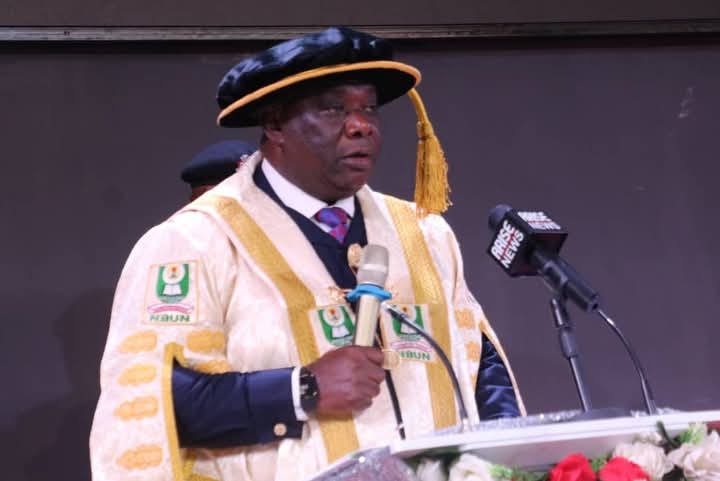
Chairman of the committee and Deputy Vice-Chancellor, Administration, Prof. Shehu Usman Adamu, said the welfare of NOUN students remained a priority of the Vice-Chancellor, Prof. Uduma Oji Uduma.

Explaining the operational framework of TISHIP, Adamu said each student would be enrolled through their respective study centre and issued a health insurance card to facilitate access to medical services.

He added that participating students would have access to designated healthcare facilities in the states where they reside.

To ensure a seamless enrolment process, the university’s Directorate of Management Information System (MIS) has been tasked with providing the list of students in each senatorial district across the country.

According to him, students’ names, registration numbers, email addresses and telephone numbers would be collated and forwarded for enrolment with designated healthcare providers in each senatorial district.

The DVC also outlined a range of medical services to be made available to students enrolled in the programme, stressing that the initiative was designed to provide students with affordable and accessible healthcare while pursuing their studies.

Adamu further disclosed that the university management had received the list of selected hospitals that would provide services under the scheme.

He explained that the list would form the basis for a Memorandum of Understanding (MoU) between the university and the participating healthcare facilities, clearly defining the roles and responsibilities of the parties.

He called on the HMO to ensure efficient health service provision to aligned with the mandate of the Vice Chancellor of improving student’s welfare.

TISHIP is aimed at providing health insurance coverage for NOUN students, enhancing their access to healthcare and promoting their wellbeing as they pursue their academic programmes.

National Open University of Nigeria Vice- Chancellor, Prof. Uduma Oji Uduma Honoured as Presbyterian Church of Nigeria Ambassador at 180th Anniversary

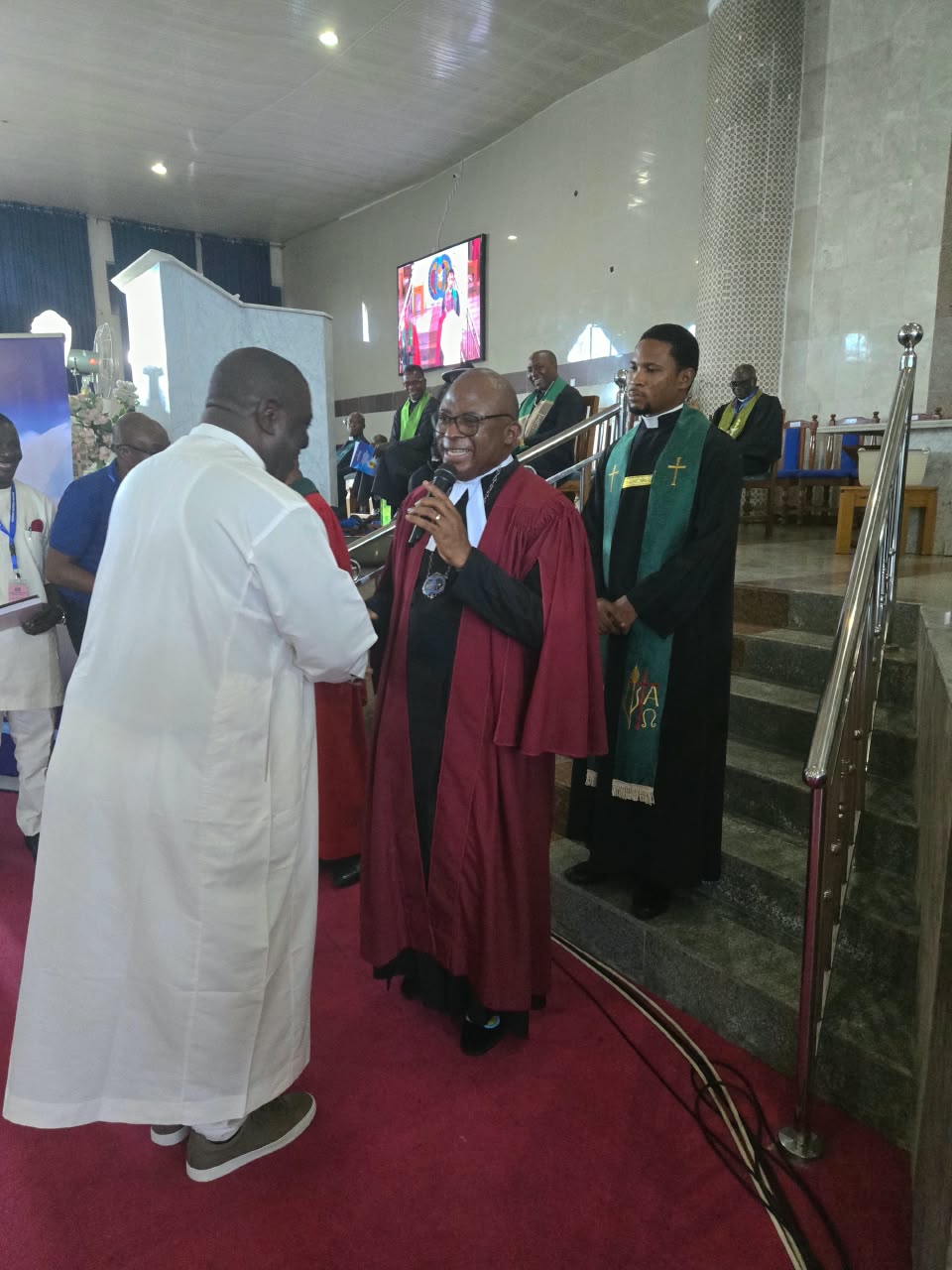
The Vice-Chancellor of the National Open University of Nigeria (NOUN), Professor Uduma Oji Uduma, has been honoured as a Presbyterian Church of Nigeria (PCN) Ambassador as the Church celebrates its historic 180th anniversary at Hope Waddell Parish, Calabar.

The honour holds special significance for Professor Uduma, who comes from a strong Presbyterian family and has maintained a deep connection with the Church and its institutions. He dedicated the award to the memory of his parents, the late Elder and Elder (Mrs.) Oji Uduma, acknowledging their faith, values, and influence in shaping his life.

Professor Uduma’s association with the Presbyterian Church extends beyond family heritage. He once served as Chairman of the Board of Governors of the Presbyterian Joint Hospital, Uburu, one of the Church’s historic institutions and an important part of its enduring legacy in healthcare and community service

The Presbyterian Joint Hospital, Uburu, has its roots in the missionary work of the Church of Scotland Mission, which established the institution in 1913. Its establishment reflected the Presbyterian tradition of combining Christian evangelism with education, healthcare, and service to humanity.

The history of the Presbyterian Church of Nigeria itself is deeply woven into the story of Christianity and education in Nigeria. The Presbyterian mission began in Calabar in 1846, following an invitation from local leaders who sought assistance in education, agriculture, and the teaching of Christianity. Rev. Hope Masterton Waddell arrived in Calabar on 10 April 1846 and laid the foundation for what would become one of Nigeria’s oldest Christian denominations.

From its earliest years, the Presbyterian mission went beyond evangelism. It established schools, promoted literacy, and encouraged social development. The Hope Waddell Training Institution became one of the notable landmarks of early formal education in Nigeria.

The Presbyterian legacy was further enriched by missionaries such as Mary Slessor, who arrived in Calabar in 1876. Slessor became renowned for her courageous missionary and humanitarian work, particularly her opposition to harmful traditional practices, including the killing of twins. Her ministry exemplified a Christian mission that combined evangelism with the defence of human dignity and service to vulnerable communities.

Over the decades, the Presbyterian Church became increasingly indigenous. Administrative control was transferred to Nigerians in 1945, and the Church assumed the name Presbyterian Church of Nigeria in 1960. Its churches, schools, hospitals, and other institutions have since contributed significantly to Nigeria’s religious, educational, and social development.

Against this historic background, the conferment of the PCN Ambassadorial honour on Professor Uduma carries a particularly personal and symbolic meaning. His family heritage, his service to a major Presbyterian institution, and his present leadership of a national university converge around a common Presbyterian value: the transformation of lives through faith, knowledge, and service.

As Vice-Chancellor of NOUN, Professor Uduma is advancing this educational heritage through Open and Distance Learning (ODL), a model that brings quality higher education closer to the people His leadership reflects a strong commitment to ensuring that distance, location, employment, family responsibilities, or other circumstances do not become barriers to acquiring university education.

This commitment has particular significance for the Presbyterian community. Through NOUN’s flexible and accessible ODL system, members of the Presbyterian Church—including pastors, church workers, professionals, young people and other members who may be unable to attend conventional universities—can pursue higher education while remaining in their communities and continuing their responsibilities. The university’s network of study centres across Nigeria further strengthens this opportunity by bringing learner support and educational services closer to prospective and existing students.

In this regard, Professor Uduma’s leadership of NOUN represents a modern extension of the Presbyterian tradition of using education as an instrument for human development. The same spirit that inspired the establishment of schools and institutions by Presbyterian missionaries in the nineteenth century is being expressed today through technology-enabled, flexible, and inclusive Open and Distance Learning.

The 180th anniversary celebration is consequently not merely a commemoration of longevity. It is a celebration of a remarkable legacy of faith, education, healthcare, humanitarian service, and national development—and an opportunity to renew that legacy for future generations.

For Professor Uduma, the honour is both a recognition and a homecoming: a tribute to his own contribution to education and service, while paying homage to the Presbyterian heritage that helped shape his family and, ultimately, his own journey.

By dedicating the award to his late parents, Elder and Elder (Mrs.) Oji Uduma, Professor Uduma underscored the enduring truth that great achievements are often rooted in values received from those who came before us.

From Hope Waddell and Mary Slessor in nineteenth-century Calabar to the establishment of Presbyterian schools and hospitals such as the Presbyterian Joint Hospital, Uburu, the Church’s 180-year story remains a powerful testament to the capacity of faith expressed through education, compassion and service to transform individuals and society.

Today, through his leadership of the National Open University of Nigeria, Professor Uduma is helping to carry that educational legacy into the future—opening the doors of higher education to more Nigerians, including members of the Presbyterian Church, through accessible, flexible and inclusive Open and Distance Learning.

Shehu Sani Defends NRS Chairman, Says ‘President Eating Once’ Remark Overshadowed Tax Reform Issues

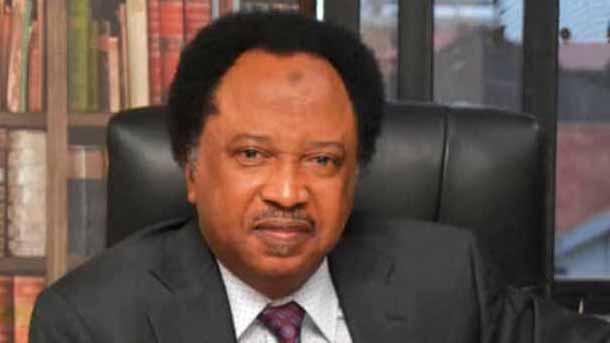
Former Senator representing Kaduna Central, Senator Shehu Sani, has defended the presentation made by the Chairman of the Nigeria Revenue Service (NRS), Zacch Adedeji, during a recent television interview, arguing that the media focus on a comment about President Bola Ahmed Tinubu eating once a day and walking to his office overshadowed critical issues concerning Nigeria’s tax reforms.

Sani, in a post on his official X account, said the NRS Chairman made important submissions on tax laws, reforms, implementation and processes during the interview, which, in his view, deserved serious public debate and scrutiny.

According to him, rather than interrogating the substantive issues raised by the revenue chief, sections of the media concentrated on the controversial comment about the President’s personal routine.

“During the Channels interview granted by the NRS Chairman Adedeji, he made important points and statements concerning the Tax laws, reforms, implementation and processes that should have been debated or probed,” Sani wrote.

He added that the media’s emphasis on the statement that the President eats once a day and walks to his office ultimately reduced a serious discussion on taxation and public finance to a subject of public amusement.

“The media chose to emphasise on ‘the President eating once in a day and walking to his office’. That was how a serious issue was rubbished,” the former senator said.

Sani’s intervention comes amid continuing public discussion over Nigeria’s tax reform agenda, including questions surrounding the implementation of new tax laws, revenue mobilisation, compliance, institutional responsibilities and the impact of taxation on individuals and businesses.

The former lawmaker’s position suggests that public discourse on the country’s tax system should move beyond sensational statements and focus more closely on the policies and mechanisms being introduced to improve revenue collection and strengthen Nigeria’s fiscal system.

Taxation has remained a major issue in Nigeria’s economic debate as governments at the federal and state levels seek to increase internally generated revenue, reduce dependence on borrowing and oil-related receipts, broaden the tax base and improve compliance.

For Sani, the interview by the NRS chairman presented an opportunity for journalists, policymakers and citizens to interrogate the details of the government’s tax reforms and their implications for the Nigerian economy.

His comments also highlight concerns about the role of the media in shaping public understanding of complex policy matters, particularly when substantive economic discussions compete with politically or personally sensitive statements that attract greater public attention.

Rather than allowing the President’s reported personal routine to dominate the conversation, Sani argued that the focus should have remained on the tax laws, reform measures and implementation processes outlined by the NRS chairman.

The former senator maintained that such issues require sustained public scrutiny because taxation directly affects citizens, businesses, investors and government finances.

He therefore appeared to call for a more substantive approach to reporting economic policies, urging the public and the media to interrogate the content and consequences of government reforms rather than allowing a single controversial remark to eclipse the broader policy discussion.

2027 Elections: Matawalle Unveils Tinubu Again Movement, Targets Grassroots Support

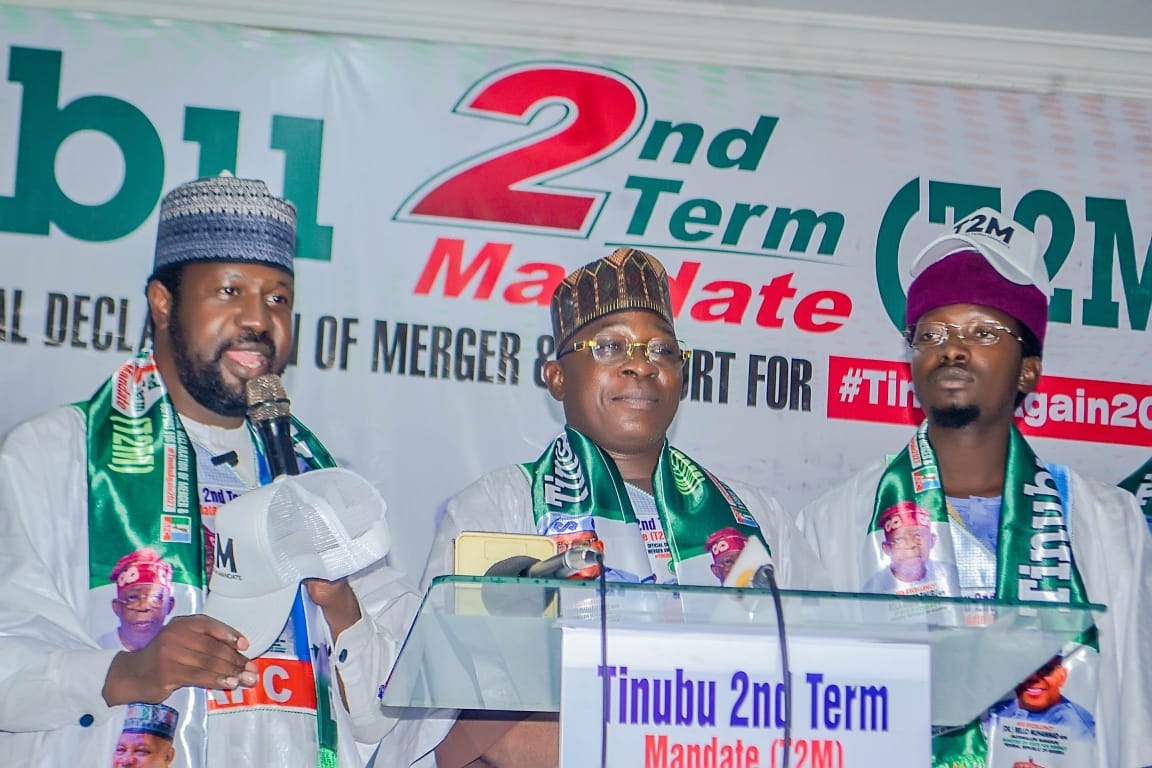
The Minister of State for Defence, Dr. Bello Mohammed Matawalle, has launched the Tinubu Again Movement, a political support group aimed at mobilising grassroots support across Nigeria for the re-election of President Bola Ahmed Tinubu in the 2027 general elections.

The movement was unveiled on Friday in Kaduna, with Matawalle serving as its Convener and Chairman of the Board of Trustees.

Speaking at the launch, the National Coordinator of the movement, Dr. Awwal Abdullahi Aliyu, said the organisation was established with a clear mandate to mobilise Nigerians at the grassroots and secure what he described as a “resounding victory” for President Tinubu in 2027.

“We are promising the Minister of Defence, Dr. Bello Matawalle, that we will not fail him. We will talk to everyone, we will mobilise everyone, we will do everything to ensure that President Bola Ahmed Tinubu returns as President in 2027,” Abdullahi said.

He explained that the movement would adopt a grassroots-driven approach, reaching voters at the household and community levels while bringing together political support groups, non-governmental organisations, women’s groups and other stakeholders.

“Our mandate is one: to deliver President Bola Ahmed Tinubu come 2027. We will mobilise support house to house, community to community, to galvanise all support political groups, non-governmental organisations, women groups and bring them under one umbrella to garner support for President Tinubu’s re-election bid in 2027,” he stated.

Abdullahi said the movement was committed to working under the introuctions of Matawalle, a grassroots politician and former Governor of Zamfara State, to expand support for the President across the 19 northern states.

“We are determined and committed to work as former Governor, Bello Matawalle, direct us to mobilise fellow Nigerian brothers and sisters men and women young and elderly to vote Tinubu for another term,” he said.
He disclosed that the movement’s mobilisation strategy would focus on grassroots engagement, voter education and consultations with key stakeholders, including youths, women, community leaders and traditional institutions.

According to him, the organisation would also engage existing political and civic groups as part of efforts to build a broad-based support network for the President ahead of the 2027 elections.

The Tinubu Again Movement further announced plans to formally inaugurate its state and local government coordinators in the coming weeks as part of efforts to establish structures across the country,

President Tinubu, who assumed office in May 2023, is constitutionally eligible to seek a second four-year term in the 2027 presidential election.

Matawalle, who served as Governor of Zamfara State from 2019 to 2023, was appointed Minister of State for Defence in August 2023 and has remained an important political figure within the Tinubu administration.

The unveiling of the movement comes amid increasing political consultations and realignments ahead of the 2027 general elections, with various political groups and support organisations beginning mobilisation activities across the country.

The Tinubu Again Movement said it would continue its consultations and grassroots mobilisation in the months ahead as it seeks to build support for the President’s second-term bid.

Onaiyekan Spoke for Suffering Nigerians, Not Politics, Says Middle Belt Forum

ABUJA — The Middle Belt Forum (MBF) has defended John Cardinal Onaiyekan and the Catholic Bishops’ Conference of Nigeria (CBCN), insisting that their criticism of President Bola Tinubu’s administration reflects the everyday experiences of millions of Nigerians rather than partisan politics.

In a statement issued Tuesday by its National Spokesman, Luka Binniyat, the Forum condemned what it described as attempts by presidential aides and political allies to discredit the former Archbishop of Abuja after he questioned the government’s handling of the economy and national security.

The MBF said Cardinal Onaiyekan’s comments were consistent with concerns earlier presented by Catholic bishops during their July 24 meeting with President Tinubu at the Presidential Villa, where they warned that economic reforms had increased hardship and that insecurity remained widespread across the country.

According to the Forum, dismissing the Cardinal’s views amounts to ignoring the daily struggles of Nigerians battling rising food prices, inflation, unemployment and persistent violence.

The organization also rejected allegations that the senior cleric was engaging in partisan politics, describing him as a respected religious leader whose public interventions have consistently focused on justice, peace and national unity.

Turning to security, the MBF argued that despite the sacrifices of the Nigerian Armed Forces, large parts of the Middle Belt continue to experience deadly attacks that have displaced millions, destroyed farming communities and worsened the humanitarian crisis.

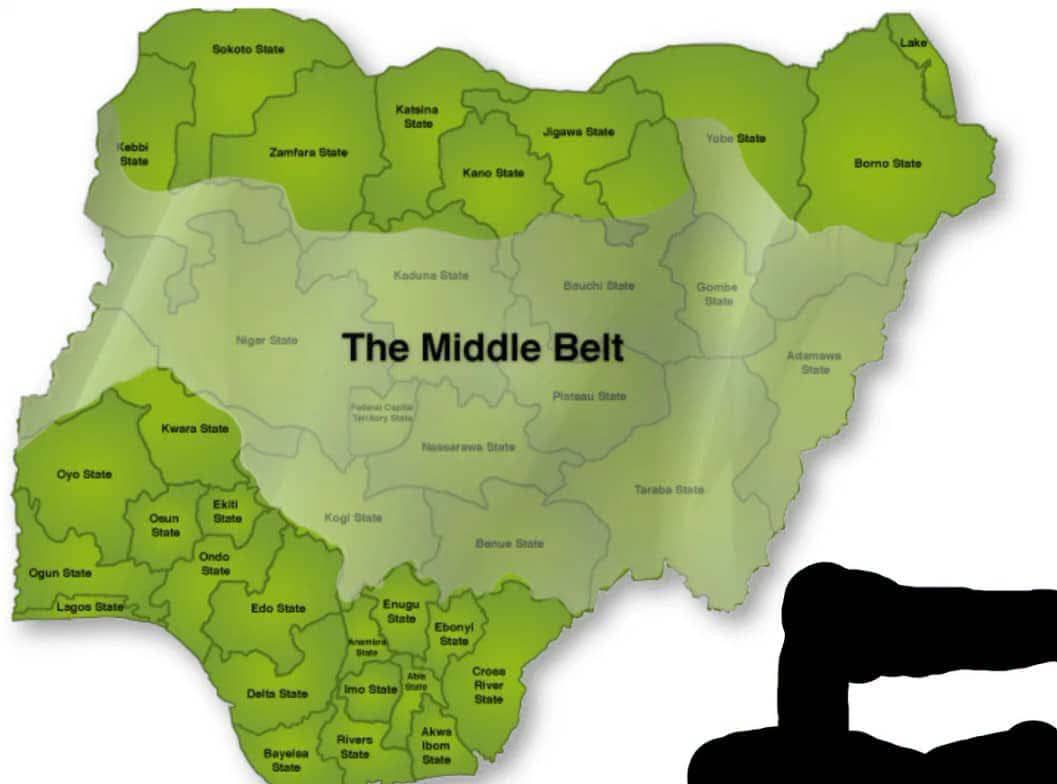
The Forum cited Benue, Plateau, Southern Kaduna, Niger and parts of Borno among areas where residents continue to face violence, resulting in abandoned farmlands, destroyed homes and thousands of internally displaced persons with limited government assistance.

It maintained that while security personnel continue to make significant sacrifices, government efforts have yet to halt the persistent attacks on rural communities or enable displaced families to return safely to their ancestral homes.

On the economy, the MBF maintained that official claims of improvement do not reflect realities on the ground. It argued that although the national minimum wage has increased from ₦30,000 to ₦70,000, soaring inflation, rising fuel prices and the sharp depreciation of the naira have significantly eroded workers’ purchasing power, leaving many households worse off than before the reforms.

The Forum said the administration should welcome constructive criticism from respected national figures instead of allowing political allies to attack those raising legitimate concerns about governance.

“The Cardinal merely echoed what millions of Nigerians experience every day. He spoke neither as a politician nor as an opposition figure. He spoke as a patriotic Nigerian and a respected religious leader committed to justice, peace and the welfare of all citizens,” the statement said.

The MBF urged the Tinubu administration to focus on reversing the country’s economic hardship, restoring security across troubled regions and addressing the plight of millions of displaced Nigerians, rather than engaging in public disputes with religious leaders who speak on behalf of suffering citizens.

Shehu Sani Urges Catholic Bishops to Appreciate Tinubu’s Achievements, Offer Constructive Criticism

Former Kaduna Central Senator, Shehu Sani, has called on Catholic Bishops in Nigeria to acknowledge the achievements of President Bola Tinubu’s administration while continuing to offer constructive criticism in the interest of the nation.

Sani, in a statement on Sunday, said the Catholic Church has historically played a significant role in shaping public discourse and providing moral guidance, a contribution he said is widely appreciated.

He noted that while it is important for religious leaders to hold government accountable, they should also objectively assess the current situation against what obtained in previous administrations.

“We appreciate that Tinubu has achieved in infrastructure, security and the economy,” Sani said. “Catholic leaders are men of honour and integrity. They should encourage the President to achieve more.”

The former lawmaker stressed that comparing the present realities with the past would give Nigerians a clearer perspective on the progress made so far, particularly in road construction, efforts to curb insecurity, and ongoing economic reforms.

“The role the Catholic leaders are playing in the past is appreciated, but they should compare the situation of the country before the present administration,” he added.

Sani urged the bishops to continue engaging government with facts and recommendations, saying such engagement would help strengthen governance and ensure more dividends of democracy for citizens.

The comment comes amid heightened public debate on the performance of the Tinubu administration, with various stakeholders calling for collaboration between government and civil society to address national challenges.

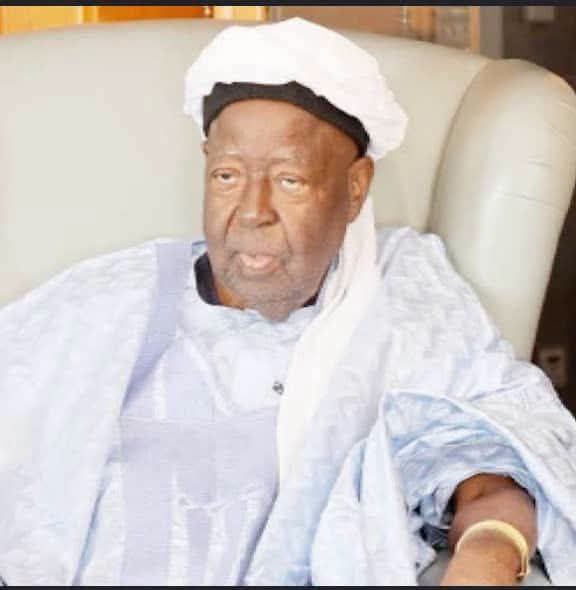
Alhaji Alhaji lived a fulfilled life, was a trusted leader, says Dingyadi

Veteran journalist and Senior Special Assistant to the National Chairman of the All Progressives Congress (APC), Mallam Yusuf Dingyadi, has paid tribute to the late former Finance Minister, elder statesman and Sardaunan Sokoto, Alhaji Abubakar Alhaji, describing him as a trusted brother who lived a fulfilled life of integrity, service and compassion.

In a condolence message, Dingyadi said the late statesman was a gentle, humble and deeply religious man who devoted his life to serving humanity, supporting the less privileged and promoting community development.

He recalled that their relationship blossomed during their journalism careers, particularly through writing, publishing and their involvement with the Association of Nigerian Authors (ANA).

“It will be recalled that late Alhaji Abubakar Alhaji organised a reception in his residence to honour three of us—Altine Shehu Kajiji, Kabir Assada and myself. That occasion cemented our relationship for life,” Dingyadi said.

He also reminisced about how the late statesman hosted a delegation of British Broadcasting Corporation (BBC) journalists during the turbaning of the late Sultan of Sokoto, Alhaji Muhammadu Maccido.

“During the dinner, we all benefited from Alhaji’s wealth of experience. Even the leader of the delegation, Hilary Anderson, publicly acknowledged the gesture and said she had learnt many things she never knew despite living in London,” he added.

Dingyadi described the late Sardaunan Sokoto as a man who loved and helped people without discrimination, shunned propaganda, rejected selfishness and remained courageous throughout his life.

“Since the demise of Sarkin Yakin Gwandu, Alhaji Abubakar Koko, Tsoho Mafara and Muhammadu Bature, I have not seen a man who carried the burden of his people with such sincerity as late Sardaunan Sokoto.

“He opened his doors to everyone. On one occasion, he instructed his aide to grant me unrestricted access to him at all times. Anyone who was not close to him could never fully appreciate the depth of his character,” Dingyadi said.

He noted that the late elder statesman fondly called him “Yusufu,” a name he always used affectionately, reflecting his cheerful disposition, humility and respect for others.

Alhaji Abubakar Alhaji served as Minister of National Planning and later Minister of Finance during the administration of former military President Ibrahim Babangida.

Before his ministerial appointments, he built a distinguished career in the federal civil service, rising to the rank of Permanent Secretary and serving in key ministries, including Trade, Finance and National Planning.

Widely regarded as one of Nigeria’s foremost technocrats, he played a pivotal role in shaping the country’s economic policies and managing relations with international financial institutions during a challenging period in Nigeria’s economic history.

In recognition of his outstanding contributions to public service and the Sokoto Caliphate, he was conferred with the prestigious traditional title of Sardauna of Sokoto in 1990, succeeding the late Sir Ahmadu Bello, the Premier of the defunct Northern Region.

Tributes have continued to pour in from political leaders, traditional rulers and associates, who described him as a disciplined administrator, accomplished economist and patriotic Nigerian whose legacy of integrity and selfless service will endure for generations.

His funeral prayer, held at the Sultan Bello Mosque in Sokoto, was attended by Vice President Kashim Shettima, the Sultan of Sokoto, the Deputy Governor of Sokoto State, Senator Aminu Waziri Tambuwal, Hon. Abdulsamad Dasuki, Sambo Dasuki, Abubakar Dasuki and several serving and former ministers, members of the National Assembly, senior government officials, traditional rulers, religious leaders and other dignitaries from across the country.

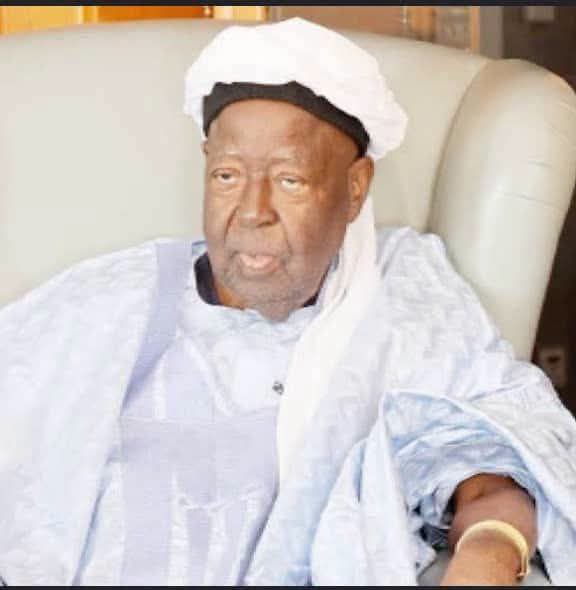
Alhaji Alhaji lived a fulfilled life, was a trusted leader, says Dingyadi

Veteran journalist and Senior Special Assistant to the National Chairman of the All Progressives Congress (APC), Mallam Yusuf Dingyadi, has paid tribute to the late former Finance Minister, elder statesman and Sardaunan Sokoto, Alhaji Abubakar Alhaji, describing him as a trusted brother who lived a fulfilled life of integrity, service and compassion.

In a condolence message, Dingyadi said the late statesman was a gentle, humble and deeply religious man who devoted his life to serving humanity, supporting the less privileged and promoting community development.

He recalled that their relationship blossomed during their journalism careers, particularly through writing, publishing and their involvement with the Association of Nigerian Authors (ANA).

“It will be recalled that late Alhaji Abubakar Alhaji organised a reception in his residence to honour three of us—Altine Shehu Kajiji, Kabir Assada and myself. That occasion cemented our relationship for life,” Dingyadi said.

He also reminisced about how the late statesman hosted a delegation of British Broadcasting Corporation (BBC) journalists during the turbaning of the late Sultan of Sokoto, Alhaji Muhammadu Maccido.

“During the dinner, we all benefited from Alhaji’s wealth of experience. Even the leader of the delegation, Hilary Anderson, publicly acknowledged the gesture and said she had learnt many things she never knew despite living in London,” he added.

Dingyadi described the late Sardaunan Sokoto as a man who loved and helped people without discrimination, shunned propaganda, rejected selfishness and remained courageous throughout his life.

“Since the demise of Sarkin Yakin Gwandu, Alhaji Abubakar Koko, Tsoho Mafara and Muhammadu Bature, I have not seen a man who carried the burden of his people with such sincerity as late Sardaunan Sokoto.

“He opened his doors to everyone. On one occasion, he instructed his aide to grant me unrestricted access to him at all times. Anyone who was not close to him could never fully appreciate the depth of his character,” Dingyadi said.

He noted that the late elder statesman fondly called him “Yusufu,” a name he always used affectionately, reflecting his cheerful disposition, humility and respect for others.

Alhaji Abubakar Alhaji served as Minister of National Planning and later Minister of Finance during the administration of former military President Ibrahim Babangida.

Before his ministerial appointments, he built a distinguished career in the federal civil service, rising to the rank of Permanent Secretary and serving in key ministries, including Trade, Finance and National Planning.

Widely regarded as one of Nigeria’s foremost technocrats, he played a pivotal role in shaping the country’s economic policies and managing relations with international financial institutions during a challenging period in Nigeria’s economic history.

In recognition of his outstanding contributions to public service and the Sokoto Caliphate, he was conferred with the prestigious traditional title of Sardauna of Sokoto in 1990, succeeding the late Sir Ahmadu Bello, the Premier of the defunct Northern Region.

Tributes have continued to pour in from political leaders, traditional rulers and associates, who described him as a disciplined administrator, accomplished economist and patriotic Nigerian whose legacy of integrity and selfless service will endure for generations.

His funeral prayer, held at the Sultan Bello Mosque in Sokoto, was attended by Vice President Kashim Shettima, the Sultan of Sokoto, the Deputy Governor of Sokoto State, Senator Aminu Waziri Tambuwal, Hon. Abdulsamad Dasuki, Sambo Dasuki, Abubakar Dasuki and several serving and former ministers, members of the National Assembly, senior government officials, traditional rulers, religious leaders and other dignitaries from across the country.

Plateau NUJ Poll in Limbo as Electoral Committee Members Quit, Aspirants Withdraw

By Tubonemi Monday

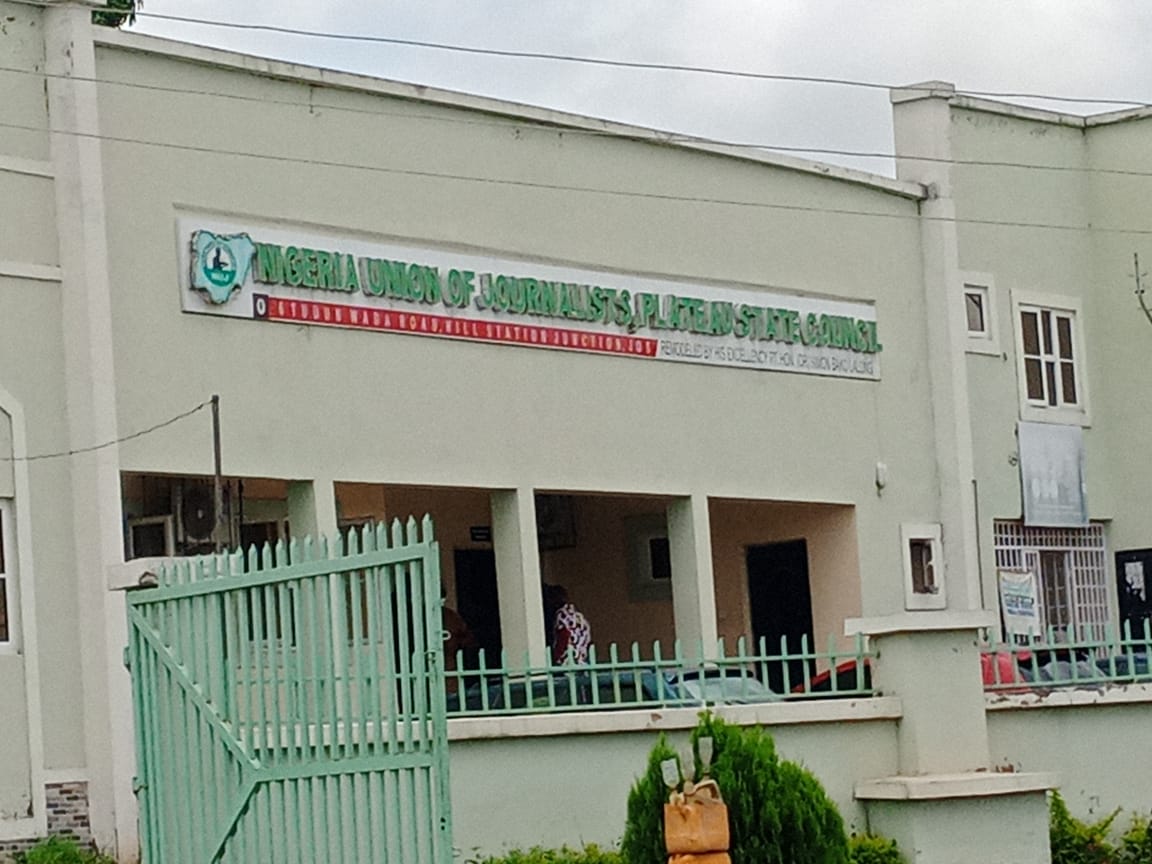
The planned 2026 election into the executive committee of the Plateau State Correspondents’ Chapel of the Nigeria Union of Journalists has been thrown into uncertainty following the resignation of members of the reconstituted Credentials Committee and the withdrawal of contestants from the race.
The development has stalled the electoral process, with the Chapel now left without an electoral committee to conduct the exercise, barely days to the scheduled election.
Findings indicate that the crisis was triggered by allegations of undue interference in the electoral process, a situation that reportedly prompted some aspirants to withdraw their candidacies over concerns about the credibility of the exercise.
Shortly after the withdrawals, members of the Credentials Committee also stepped down, a move that has further compounded the uncertainty surrounding the election and heightened anxiety among members of the Chapel.
The unfolding events have sparked concerns over the independence of the Correspondents’ Chapel, with stakeholders warning that any attempt to influence its internal democratic process could undermine the credibility of the institution and erode members’ confidence in its leadership.
The Plateau State Correspondents’ Chapel, like its counterparts across the country, has traditionally conducted elections through a member-driven process anchored on transparency and fairness. However, the latest developments have raised questions over whether those principles are being upheld.
As the crisis deepens, members are demanding an immediate resolution, including the reconstitution of the electoral committee and the commencement of a fresh process capable of producing a credible, transparent and widely accepted election free from external influence.