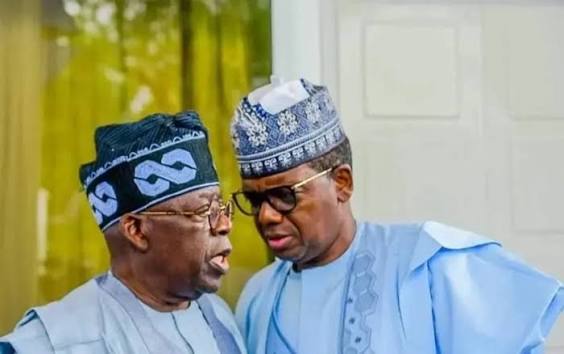
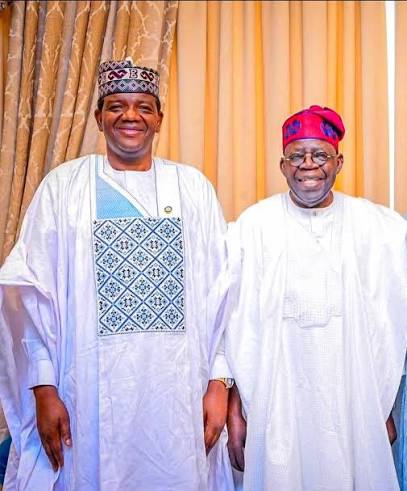
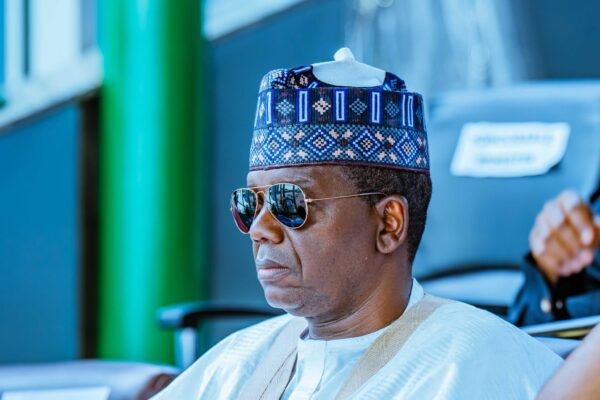
Real Reasons Ex Speaker Zailani Lost APC Senatorial Ticket — Group

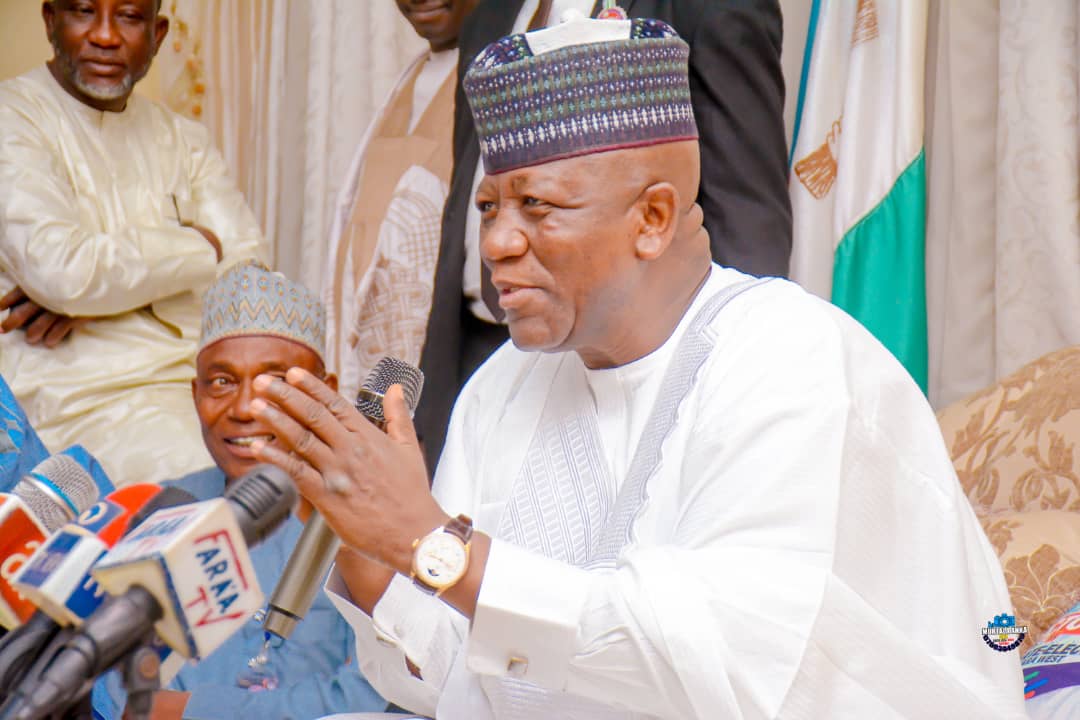
A group under the aegis of Igabi Youths and Women Forum(IYWF),has outlined what it described as the major factors responsible for the defeat of former Speaker of the Kaduna State House of Assembly, Yusuf Zailani, in the recent All Progressives Congress (APC) senatorial primary election for Kaduna Central.

In a statement issued in Kaduna, the group alleged that Zailani’s strained relationship with party executives, stakeholders and grassroots supporters contributed significantly to his inability to secure the party’s ticket.

According to the statement signed Mal. Mohammed Suleiman Igabi,one of the major issues was the former speaker’s alleged refusal to recognize the newly elected APC executives at the ward and Igabi Local Government levels following their inauguration.

The group claimed that Zailani allegedly distanced himself from party activities and failed to actively participate in campaigns for recent bye-elections, including the Chikun/Kajuru House of Representatives contest and other state legislative elections.

It further alleged that during the 2023 general elections, the former speaker failed to deliver electoral victory for the APC in Igabi Local Government, where the Peoples Democratic Party (PDP) reportedly secured victory.

The forum also accused Zailani of maintaining poor relationships with party stakeholders and elected officials from his local government, alleging that many long-time political associates had become disillusioned with his leadership style.

The statement further claimed that the former speaker had been largely absent from party and state functions in Kaduna over the past year, citing his alleged non-attendance at key APC activities and official engagements.

The group also linked public dissatisfaction with the former speaker to his tenure as Speaker during the administration of former Kaduna State governor, Nasir El-Rufai, accusing him of supporting controversial government policies, including demolitions, dismissals of public workers and crackdowns on critics.

Additionally, the forum alleged that Zailani maintained silence over recent political disagreements involving the former governor and the current Kaduna State administration.

In another allegation, the group accused the former speaker of sponsoring political thuggery and empowering youths involved in violence and drug abuse in parts of Igabi Local Government, claims it said affected his support base during the primaries.

The forum also alleged that several APC leaders and stakeholders in Igabi had openly withdrawn support for Zailani’s senatorial ambition, citing differences with local party executives and political figures.

According to the group, Zailani’s two decades in the Kaduna State House of Assembly did not translate into sufficient developmental projects within his constituency, which it described as underdeveloped and facing security challenges.

The forum concluded that the combination of these factors weakened the former speaker’s political standing and ultimately contributed to his defeat at the APC senatorial primary.

The APC primary for Kaduna Central was won by former senator and rights activist, Shehu Sani.

THE QUINTESSENTIAL PUBLIC SERVANT: DR. MUSTAPHA ABDULLAHI AND THE BURDEN OF NATIONAL DEVELOPMENT

By Musa-Ododo Abdulrahaman.

Nations are not built by political rhetoric alone. They are built by institutions, sustained by vision, and strengthened by men and women who understand that public office is not a platform for personal relevance, but a responsibility to serve.

At critical moments in national history, leadership within strategic public institutions often determines whether countries move toward progress or remain trapped by unrealised potential.

For Nigeria, that moment is now. As the nation confronts the interconnected challenges of energy security, industrial expansion, infrastructure development, technological modernisation, and economic transformation, the quality of leadership within its institutions has become more consequential than ever.

Among those attracting increasing national attention is *Dr Mustapha Abdullahi, Director General of the Energy Commission of Nigeria*, a strategic institution positioned at the heart of Nigeria’s long-term development agenda.

Energy remains the lifeblood of modern civilisation. No nation can industrialise sustainably, compete globally, or secure economic resilience without coherent energy planning and institutional coordination.

This reality makes the Energy Commission a key national priority, especially as global conversations on renewable innovation, energy transition, and industrial competitiveness shape nations’ futures.

Under the administration of *President Bola Ahmed Tinubu, GCFR* and the broader Renewed Hope agenda, there has been a growing emphasis on institutional reform, strategic governance, and long-term national planning.

Within this framework, observers have increasingly noted the Energy Commission’s visibility and operational engagement under Dr Abdullahi as evidence of leadership grounded in institutional relevance and developmental purpose.

A true public servant understands that governance is ultimately about stewardship, protecting public trust, strengthening systems, and delivering outcomes that outlive political cycles. Such leaders do not merely occupy offices; they build institutions that function more effectively, think more strategically, and serve more efficiently.

Supporters of Dr Abdullahi argue that his leadership reflects these qualities, marked by policy engagement, strategic coordination, and a commitment to elevating national discourse around energy development.

Yet beyond individual recognition lies a broader national lesson. Nigeria must become more intentional about recognising competence, professionalism, and disciplined service within public institutions.

A nation that celebrates controversy but ignores diligence risks weakening the very foundations of good governance.

History shows that the strongest nations were built not only by elected leaders, but by disciplined public servants who understood the gravity of national responsibility.

Strong institutions outlive political transitions. They preserve continuity, sustain reforms, and protect developmental momentum.

As Nigeria moves through a defining period, energy, innovation, and infrastructure institutions must stay focused on competence, accountability, and strategic vision.

Public scrutiny will always accompany leadership, and accountability remains essential in any democratic system. But accountability must be balanced with fairness, due process, and responsible national discourse.

Ultimately, the true measure of leadership is not found in titles, publicity, or political visibility. It is found in institutional impact, national contribution, administrative discipline, and the legacy one leaves in service to society.

Musa-Ododo Abdulrahaman is the Founder of the Initiative for Discovery of Nigeria Heritage and Endowment (IDNHE). and Chairman, National Policy Dialogue – a Dialogue with Wisdom.

NOUN VC: Over 65% of First-Degree Nurses in Nigeria Trained by NOUN

The Vice-Chancellor, National Open University of Nigeria (NOUN), Prof. Uduma Oji Uduma, has revealed that over 65 percent of nurses with first degrees in Nigeria were trained by the university.

The Vice-Chancellor stated this on Tuesday, May 19, 2026 when he launched the NOUN Emergency Health Centre at the Model Study Centre, Dutse-Alhaji, Abuja.

The ceremony marked the commencement of the centres’ at the 39 study centres of the university nationwide, which Prof. Uduma said it was the first phase of the initiative.

The NOUN VC explained that the university will continue to open access to Nigerians, which now transcend to the health aspect.

He said the Nursing and Midwifery Council of Nigeria had confirmed that by stating that NOUN has trained 65% of nurses with first degrees in Nigeria.

“It is an ongoing process. All study centres will get these facilities for the students benefits because their lives are highly valued.

“I am happy that the Red Cross is training our staff, ” he said.

Prof. Uduma added that the university management has approved the engagement of some of the nurses as volunteers.

He said the era of students struggling with health issues during examination periods is over, as the facilities will serve the first aid purposes.

He said the Emergency Health Centres will not take over the work of HMOs, but would first ensure the stabilisation of patients before their referrals to the main medical facilities.

Prof. Uduma assured that by August, the number of centres with the facility would double, saying that the university will ensure that all NOUN centres will have it.

He said by doing so, NOUN was fulfilling the federal government’s mandate of taking care of students health, hoping that more students will have additional confidence to join the university.

Earlier, the Head of Clinic of the university, Dr. Hassan Mohamed, explained that the centres will be treating normal cases of patients.

Dr. Mohammed, who said staff are already being trained to handle such emergencies, added that the first aiders are billed to go for more series of trainings in the future.

The emergency health centres, he added, will transfer the cases to the medical centres after their initial treatments.

Dr. Mohammed showed the Vice-Chancellor and his each item and its usage, ranging from medications such as ORS, PCM, Heart related machine, equipment to handle trauma, fridge to store medicine, and the likes.

The Vice-Chancellor was flanked at the launch of the centres by his deputies, Prof. Shehu Adamu and Prof. Christine Ofulue, the Registrar, Mr. Oladipo Ajayi, the bursar, Mal. Nasiru Marafa, the Librarian, Prof. Angela Okpala, the Centre Director, Abuja Model Study Centre, Prof. Nebath Tanglang and other senior university officials.

Kaduna Central APC Primaries: Shehu Sani Defeats former Kaduna Speaker with Wide Margin

Former lawmaker and human rights activist, Shehu Sani, has emerged victorious in the primary election for the Kaduna Central Senatorial District, defeating former Speaker of the Kaduna State House of Assembly, Yusuf Zailani, and another aspirant, Shettima.

The results, announced on Monday by the Returning Officer, Barrister Sameera Ibrahim, showed that Shehu Sani polled 9,105 votes to secure victory in the keenly contested exercise.

According to the results declared, Zailani garnered 1,021 votes, while Shettima secured 1,253 votes.

The outcome marks a major political comeback for Shehu Sani, who previously represented Kaduna Central Senatorial District in the National Assembly and is widely known for his activism and outspoken views on governance, democracy and social justice.

Political observers described the victory as a significant development ahead of the forthcoming general elections, considering the calibre of contenders involved in the primary contest.

Supporters of the former senator celebrated the outcome shortly after the announcement of the results, expressing confidence in his chances at the general election.

Defiance in Kaduna Central: Massive Crowds Rally for Shehu Sani Amid Acts of Political Violence

Kaduna, Nigeria – Despite widespread reports of intimidation, political thuggery, and the targeted destruction of campaign materials, supporters of former Kaduna Central senator, Shehu Sani, turned out in massive numbers on Monday across the seven local government areas of the senatorial district.

The heavy turnout was recorded in Chikun, Kajuru, Kaduna North, Kaduna South, Birnin Gwari, and Giwa local government areas, even as tensions flared in parts of Rigasa and other communities within the zone.

Supporters Remain Resolute

Supporters who braved the volatile atmosphere said their resolve to back the former lawmaker remains unshaken, citing his grassroots appeal, political experience, and proven track record while in office.

Several voters interviewed during the exercise described Shehu Sani as a compassionate politician who has consistently identified with ordinary people and defended the rights of the oppressed.

According to them, the former senator distinguished himself during his time in the National Assembly through outspoken representation and advocacy on issues affecting the masses.

“We heard his voice loudly when he was in the Senate, and the people felt the impact of his representation,” one of the supporters said.

Accessibility and Advocacy

The voters also maintained that the former senator remains accessible to the people and has continued to champion causes affecting vulnerable citizens without fear or intimidation.

They argued that his return to the Senate would strengthen representation for Kaduna Central and ensure that the concerns of the people receive adequate attention at the national level.

Pockets of Tension

The exercise, however, witnessed pockets of tension in some areas following reports of destruction of campaign posters and alleged acts of intimidation by suspected political thugs.

Despite the challenges, supporters of the former lawmaker insisted that the incidents would not deter them from exercising their democratic rights and supporting their preferred candidate.

Confederation of APC Support Groups Endorses Shehu Sani for Kaduna Central Senate Seat

The Confederation of APC Support Groups has declared its support for former Kaduna Central Senator, Shehu Sani, describing him as the most credible and people-oriented choice for the senatorial district ahead of the 2027 elections.

Speaking during a press briefing, the Director General of the group, Prof. Kailani Muhammad, said the people of Kaduna Central needed “a voice that roars for the common man” rather than a representative disconnected from grassroots realities.

According to him, the endorsement followed extensive consultations across the seven local government areas of Kaduna Central Senatorial District, including Birnin Gwari, Giwa, Igabi, Chikun, Kajuru, Kaduna North and Kaduna South.

Prof. Muhammad said Shehu Sani’s previous tenure in the Senate between 2015 and 2019 demonstrated courage, transparency and commitment to the welfare of ordinary citizens.

He recalled that the former senator distinguished himself nationally as Chairman of the Senate Committee on Local and Foreign Debts, where he opposed what he described as unsustainable borrowing.

“He was the Senator who told the truth when it was difficult to say. He stood against policies and loans that would have burdened future generations with debt they did not ask for,” he stated.

The APC support groups’ leader further praised Shehu Sani for becoming the first Nigerian senator to publicly disclose the running costs and salaries of lawmakers, saying the move broke the long-standing culture of secrecy in the National Assembly.

He also credited the former senator with publicly declaring his assets while in office, describing the gesture as a strong example of accountability and integrity in public service.

On constituency projects, Prof. Muhammad said the former lawmaker facilitated the construction and equipping of several primary healthcare centres across Kaduna Central, especially in underserved rural communities.

He added that over 200 solar-powered boreholes and hand-pump wells were installed in communities across Birnin Gwari, Chikun and Kajuru to address water shortages.

According to him, Shehu Sani also initiated the installation of solar streetlights in several wards to improve security and stimulate economic activities at night.

The group noted that the former senator renovated and constructed classroom blocks in public schools across the district while also empowering youths and women through the distribution of sewing machines, grinding machines and motorcycles.

Prof. Muhammad further stated that widows, orphans and internally displaced persons benefited from food support, clothing assistance and financial grants through the former senator’s constituency programmes.

Speaking on security, he said the former lawmaker supported local vigilante groups in banditry-prone areas such as Birnin Gwari and Giwa with patrol vehicles and communication equipment.

He also commended Shehu Sani’s role in peace-building efforts and conflict resolution across Kaduna State, describing him as “a human rights crusader and veteran activist who has consistently stood for justice and the oppressed.”

The group maintained that the return of the former senator to the National Assembly would strengthen advocacy for the people of Kaduna Central and align with the “Renewed Hope” agenda of the ruling APC administration.

“We are not just supporting a candidate; we are supporting a legacy of activism, accountability and grassroots representation,” Prof. Muhammad said.
He called on APC support groups and party loyalists across the senatorial district to mobilise support at the ward and community levels ahead of the party primaries and the 2027 general elections.

“Let us bring back the man who has always been the voice for the voiceless. Let us return Shehu Sani to the Red Chamber so that Kaduna Central can once again become the heartbeat of advocacy in Nigeria,” he added.

Nigeria, Jordan Forge Military Pact to Boost Counter-Terrorism and Defence Production

The Federal Republic of Nigeria and the Hashemite Kingdom of Jordan have signed a Memorandum of Understanding (MoU) to deepen defence cooperation and enhance intelligence sharing between both countries.

The MoU was signed on Sunday, 10th May 2026, in Amman, Jordan, by Nigeria’s Honourable Minister of State for Defence, Dr. Bello Mohammed Matawalle, MON, and Major General Yousef A. Alhnaity, Chairman of the Joint Chiefs of Staff of the Jordanian Armed Forces.

The agreement establishes a framework for collaboration in intelligence exchange, defence capacity building, counter-terrorism, peacekeeping, and regional security. Key areas of cooperation include:

· Joint military training and exchange of defence expertise
· Intelligence cooperation and counter-terrorism operations
· Defence research, technology transfer, and industrial collaboration
· Mutual support for regional and global peace and security initiatives

Speaking at the signing ceremony, Dr. Matawalle described the MoU as a significant milestone in Nigeria-Jordan relations and a strategic step toward addressing contemporary security challenges.

“Nigeria and Jordan share a common commitment to peace, stability, and security. This partnership will deepen our collaboration and create practical pathways for technology transfer, including the establishment of a defence production line in Nigeria in line with the provisions of the DICON Act,” he said.

The MoU reflects the mutual resolve of both nations to strengthen trust, enhance interoperability, and pursue joint actions that contribute to stability within their regions and beyond.

Signed:
Ahmed Dan Wudil SA New Media

Office of the Honourable Minister of State for Defence
Federal Ministry of Defence, Abuja

Southern, Middle-Belt Leaders Insist on Southern Presidency for 2027, Reject 60-Month Timeline for State Police

Grace Odum

Abuja – Leaders of the Southern and Middle-Belt Leaders Forum (SMBLF) have issued a communique following their emergency general meeting held on Saturday, demanding that the next President of Nigeria in 2027 must come from the southern region.

According to the leaders of the forum, the zoning arrangement has been an established national democratic culture since 1999, and maintaining the presidency in the South for the next four years is critical for national political stability.

“Political parties now at their Congresses and Conventions are strongly advised to zone and elect their presidential candidates from Southern Nigeria,” the communique stated.

The forum, which brings together Afenifere, the Middle Belt Forum, Ohanaeze Ndigbo Worldwide, and PANDEF, called on the Independent National Electoral Commission (INEC) to demonstrate genuine independence in handling political party affairs and conducting elections. They expressed profound concern over ongoing controversies surrounding certain sections of the Electoral Act, warning that these could undermine electoral integrity and generate avoidable tensions.

Security and State Police

On the state of insecurity, the SMBLF passed a vote of confidence in the Nigerian armed forces but noted with concern that security agencies remain overwhelmed by inadequate personnel relative to the country’s size and population.

According to the leaders of the forum, they observed “with dismay the red-carpet treatment and incentives given to purportedly repentant terrorists by the Nigerian State” under amnesty programmes, while victims of terrorist crimes remain in displacement camps without hope of returning to their homes.

Regarding state and community policing, the forum rejected the Inspector General of Police’s proposal of a 60-month gestation period for institutionalising state police, describing it as an “unnecessarily long” delay that the country cannot afford given the current insecurity challenges.

The leaders also rejected the proposal that 60 percent of federal police personnel be integrated into state police services of their states of origin, calling this “counter-productive and unacceptable.”

According to the leaders of the forum, state police should be a constitutional institution, not one formed by the federal government like its parastatals or state commands of the federal police.

Xenophobia and Restructuring

On xenophobic attacks against Nigerians and other Africans in South Africa, the SMBLF called on the federal government to ensure the protection of Nigerians anywhere in the world and to make arrangements for the evacuation of those seeking to return home. The forum appealed to Nigerian youths against reciprocal attacks on South Africans.

The leaders insisted on the restructuring of the federation to grant federating ethnic nationalities and constituent states greater autonomy in line with true federalism. They also called on the federal government to intensify efforts to tackle Nigerians’ suffering due to the prevailing global economic situation, recommending more focused support for local crude oil refineries and clear programmes to stop the importation of refined products.

The communique was signed by HRH Oba Oladipo Olaitan (Leader of Afenifere and Chairman SMBLF), Dr. Bitrus Pogu (President, Middle Belt Forum), Senator John Azuta-Mbata (Leader, Ohanaeze Ndigbo Worldwide), and H.E. Amb. God knows Igali (Chairman, PANDEF).

Electrification Projects : Northern Youth Group Hails REA Boss’s Transformational Impact

By Odum Adakole

The Arewa Youth Assembly for Good Leadership (AYAGL) has commended the managing director/chief executive officer of the Rural Electrification Agency (REA), Engr. Abba Abubakar Aliyu, for what it described as his transformational leadership in expanding rural electrification and renewable energy infrastructure across Nigeria.

The group said the REA under Aliyu’s leadership has demonstrated innovation, competence and strategic direction in tackling energy poverty, particularly in rural and underserved communities.

In a statement issued and signed by its president, Comrade Abdul Danbature, AYAGL noted that the agency’s interventions in renewable energy development were already creating positive socio-economic impacts across several communities nationwide.

The group specifically praised the aggressive expansion of solar mini-grids and off-grid electrification projects being deployed in communities, markets, healthcare facilities, tertiary institutions and economic clusters across the country.

According to the statement, the projects represent more than electricity supply, describing them as instruments of economic empowerment, education, healthcare improvement and sustainable development.

“For decades, several communities in Northern Nigeria suffered severe neglect in terms of access to stable electricity and modern energy infrastructure,” the group stated.

“Businesses collapsed, educational institutions struggled, healthcare services remained limited, and rural economic activities suffered enormously due to inadequate power supply.”

AYAGL, however, said there is growing hope as many communities are now benefiting from sustainable energy solutions through the interventions of the REA.

The group also applauded the implementation of the Distributed Access through Renewable Energy Scale-Up (DARES) programme aimed at expanding electricity access to millions of Nigerians in rural and hard-to-reach areas.

It further commended the Federal Government’s National Public Sector Solarisation Initiative designed to provide solar-powered electricity to federal universities, tertiary institutions and healthcare facilities.

According to the youth group, improved electricity supply would significantly enhance learning, research, healthcare delivery, entrepreneurship and digital innovation in public institutions.

The assembly maintained that access to electricity remains critical to national development, economic growth and social stability.

“A community with electricity experiences improved security, economic growth, educational advancement, business expansion and increased productivity,” the statement added.

The group said young people particularly stand to benefit through entrepreneurship opportunities, employment creation and digital inclusion.

AYAGL further described Engr. Aliyu’s leadership style as professional, accountable and result-oriented, noting that the visible impact of the agency’s programmes reflects purposeful leadership and institutional efficiency.

The youth assembly also commended President Bola Ahmed Tinubu for providing policy support and political will for the implementation of renewable energy and infrastructure projects under the Renewed Hope Agenda.

It added that sustained investment in rural electrification would help reduce poverty, unemployment, insecurity and rural-urban migration, especially in Northern Nigeria.

The group urged residents and community leaders in beneficiary areas to protect the projects and ensure community ownership for sustainability.

AYAGL reaffirmed its support for policies and programmes aimed at promoting economic growth, youth empowerment and improved living standards for Nigerians.

ENDS

Group accuses Shettima of using a Fake Ambassadorial title

A political pressure group has accused a Kaduna-based politician, Yerima Usman Shettima, of allegedly using a fake ambassadorial title in his political campaign materials ahead of the 2027 general elections.

The group, operating under the banner of Concerned Citizens for Democratic Accountability, described the use of the title “Ambassador” on Shettima’s campaign posters as misleading, deceptive and capable of creating false impressions among members of the public.

The group in a press statement signed by the spokesperson, Comrade Ibrahim Musa, challenged Shetima to publicly explain the source and legitimacy of the title he has allegedly adopted in his political activities.

According to the statement, there is no known official record showing that Shetima was ever appointed as an ambassador by the Federal Government of Nigeria or any recognised international body.

“We are demanding clear explanations from Yerima Usman Shettima on how he came about the ambassadorial title he is parading on campaign posters and political materials,” Musa said.

“He was never officially appointed ambassador by the Nigerian government. The use of such a title is misleading and deceitful to the electorate.”

The group maintained that public office seekers, particularly those aspiring to represent the people at the National Assembly, must demonstrate transparency, honesty and integrity in both public and private conduct.

“Someone seeking a highly coveted Senate seat must be a person of proven integrity. Nigerians deserve leaders who are truthful about their identity, qualifications and background,” Musa added.

The group further warned against what it described as the increasing trend of politicians adopting honorary or unofficial titles to gain political advantage and public sympathy.
According to the group, such practices undermine public trust and weaken democratic values.

They called on relevant authorities, including electoral bodies and anti-corruption agencies, to investigate the matter and ensure that politicians do not misrepresent themselves before the electorate.