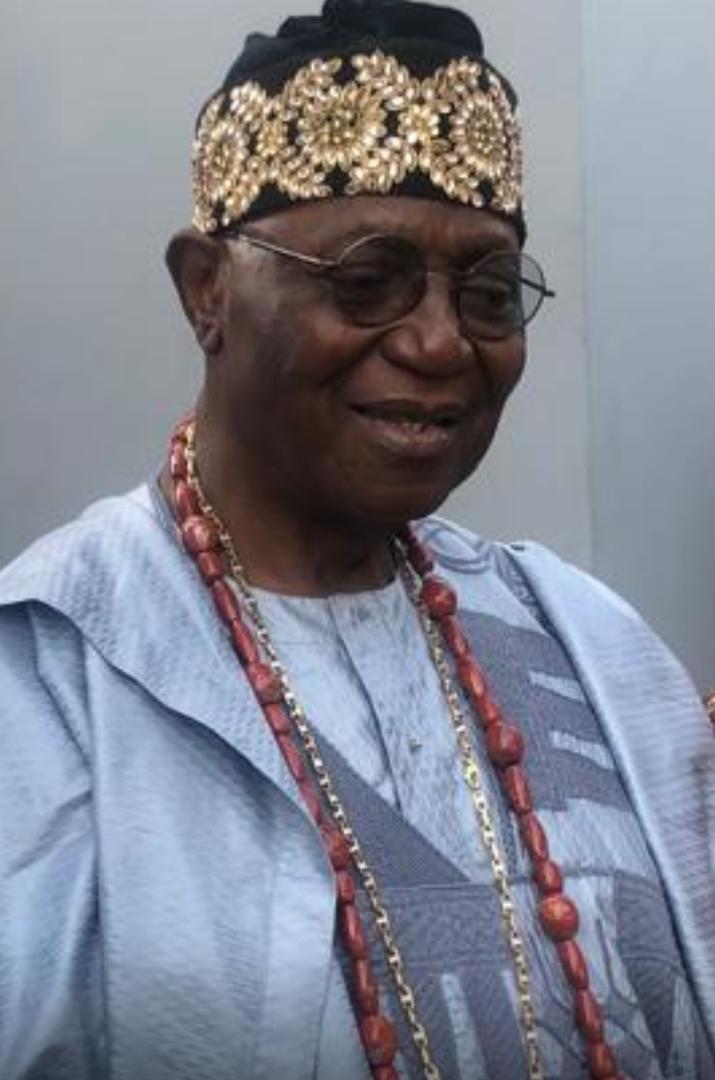
MINISTER BELLO MATAWALLE: A STRATEGIC BRIDGE IN NATIONAL SECURITY AND POLITICAL STABILITY

In the intricate landscape of Nigeria’s governance and security architecture, certain leaders distinguish themselves not merely by the offices they occupy, but by the depth of their engagement, the clarity of their vision, and their commitment to national unity. The Honourable Minister of State for Defence, Dr. Bello Muhammad Matawalle, continues to exemplify this rare blend of leadership.

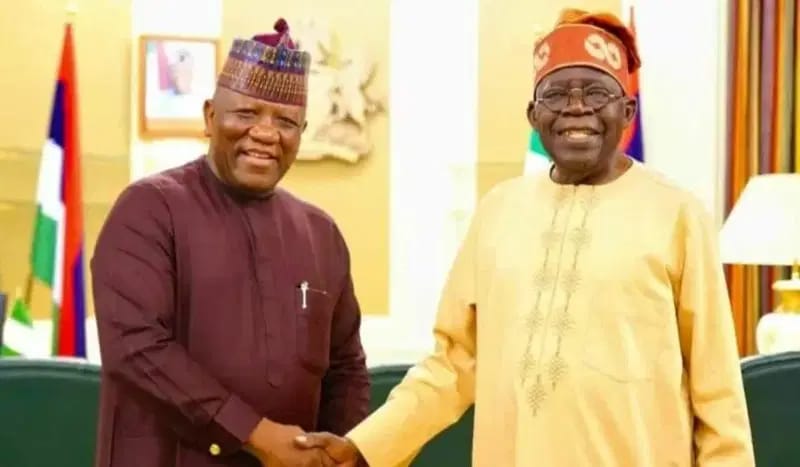
His recent travel to Kano State marks the commencement of a deliberate political and strategic engagement, not as an isolated intervention, but as part of a broader, well-coordinated effort that is expected to extend across other Northern states and, indeed, the nation as a whole. It is a forward-looking initiative aimed at strengthening peace, fostering harmony, reinforcing security structures, and promoting the overall well-being of citizens. In a region as politically and socially significant as Kano, such an engagement carries both immediate and long-term national implications.

As the saying goes, “peace is not an accident, it is the product of deliberate effort and sustained engagement.” Dr. Matawalle’s approach reflects this philosophy. His presence in Kano is anchored on consultation, trust-building, and strategic alignment with key stakeholders, ensuring that the foundations of stability are not only built but sustained over time.

Over the years, Dr. Matawalle has proven himself to be a disciplined administrator, a thoughtful strategist, and a consummate political bridge-builder. His understanding of Nigeria’s complex political terrain, often described as that of a “political encyclopedia,” positions him uniquely to navigate sensitive issues with wisdom, patience, and foresight. He recognises that enduring peace is achieved not solely through force, but through inclusion, dialogue, and cooperation among diverse interests.

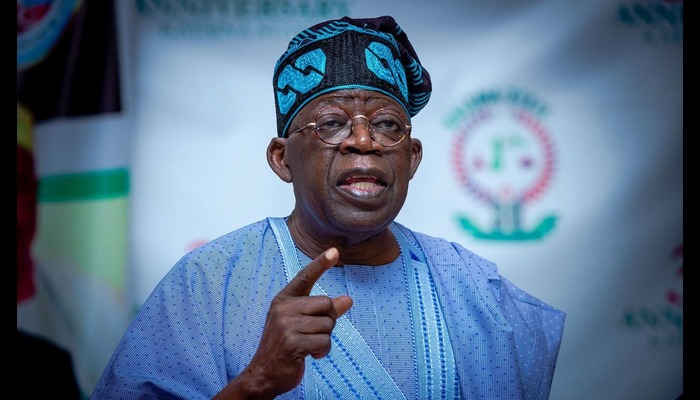
At the heart of his engagements is a deep and unwavering loyalty to President Bola Ahmed Tinubu, GCFR, Commander-in-Chief of the Armed Forces of the Federal Republic of Nigeria. Dr. Matawalle stands out as a staunch supporter of the President and a committed driver of the Renewed Hope Agenda. His actions consistently reflect a determination to translate the President’s vision into tangible outcomes, particularly in the critical areas of security, unity, and national stability.

In the political landscape of the North-West, where grassroots influence often determines electoral outcomes, the role of engagement cannot be overstated. It is widely understood that “a structure built from the ground stands longer than one imposed from above.” In this regard, Dr. Matawalle’s presence in Kano also reflects a subtle but deliberate effort to strengthen the grassroots foundations of the All Progressives Congress (APC). His engagements bring together party stakeholders, community leaders, Business community and mobilisers in a manner that reinforces unity within the party while aligning political structures with broader national objectives.

Indeed, his approach demonstrates that political consolidation and national stability are not mutually exclusive pursuits. By weaving grassroots political engagement for the APC into his broader strategic mission for peace, security, and unity, Dr. Matawalle exemplifies a model where governance and politics operate in synergy. His efforts are not about rhetoric, but about building trust, restoring confidence, and ensuring that the party remains connected to the aspirations of the people at the community level. As the saying goes; when a foundation is built on collective support, even the fiercest winds cannot bring it down.

Furthermore, within the evolving dynamics of the APC, such engagements are critical in sustaining cohesion and preventing fragmentation. Kano, as a political stronghold, requires continuous dialogue, reconciliation, and strategic alignment among party actors. Dr. Matawalle’s interventions are therefore seen as part of a broader effort to ensure that the party speaks with one voice, strengthens its internal unity, and positions itself effectively for future political contests. In politics, as often said, “those who gather early, command the direction of the crowd.” His ongoing efforts reflect this understanding.

It is often said in Hausa tradition, “Idan aka hada kai, komai yana yiwuwa”—when there is unity, everything becomes possible. This principle is evident in his method of engagement, which prioritises collaboration across political, security, and community structures. By fostering unity and building consensus, he contributes meaningfully to the strengthening of Nigeria’s internal cohesion.

Kano remains a critical hub in Nigeria’s political and socio-economic framework, and engagements within such a space must be both strategic and inclusive. However, what is even more significant is that this initiative is not confined to Kano alone. It represents the beginning of a wider national effort, one that will be replicated across other states to ensure that peace, stability, and security are entrenched at all levels of society.
In conclusion,

Dr. Bello Matawalle’s ongoing efforts reflect a clear understanding that national stability is a continuous process that requires vision, dedication, and coordinated action. His loyalty to President Tinubu, his commitment to the Renewed Hope Agenda, and his strategic engagements across the country position him as a key contributor to Nigeria’s journey toward lasting peace and sustainable development.

Indeed, as Nigeria continues to navigate its path toward greater stability and progress, leaders who combine loyalty with strategy, and vision with action, will remain indispensable to the realization of a more secure and united nation.

Dr. Awwal Abdullahi Aliyu

Spokesperson, Ministry of Defence Ministerial Standing Committee on Military Veterans Welfare

  • Director General, Initiative for Military Veterans & Family Support Foundation
  • Deputy National Coordinator, Retired Members of Nigerian Armed Forces (REMENAF)

General Secretary, Coalition of Concerned Military Veterans – North (CCV)

Secretary General, Veterans Federation of Nigeria (VFN)

  • National President, Nineteen Seventeen Northern Consensus Movement for Peace Unity Empowerment and Development Initiative NSNCM
  • An Amalgamation of 598 registered associations of northern from thett Nineteen northern states and associations of northern community resident in the Seventeen southern states and FCT.

MINISTER BELLO MATAWALLE: A STRATEGIC BRIDGE IN NATIONAL SECURITY AND POLITICAL STABILITY

In the intricate landscape of Nigeria’s governance and security architecture, certain leaders distinguish themselves not merely by the offices they occupy, but by the depth of their engagement, the clarity of their vision, and their commitment to national unity. The Honourable Minister of State for Defence, Dr. Bello Muhammad Matawalle, continues to exemplify this rare blend of leadership.

His recent travel to Kano State marks the commencement of a deliberate political and strategic engagement, not as an isolated intervention, but as part of a broader, well-coordinated effort that is expected to extend across other Northern states and, indeed, the nation as a whole. It is a forward-looking initiative aimed at strengthening peace, fostering harmony, reinforcing security structures, and promoting the overall well-being of citizens. In a region as politically and socially significant as Kano, such an engagement carries both immediate and long-term national implications.

As the saying goes, “peace is not an accident, it is the product of deliberate effort and sustained engagement.” Dr. Matawalle’s approach reflects this philosophy. His presence in Kano is anchored on consultation, trust-building, and strategic alignment with key stakeholders, ensuring that the foundations of stability are not only built but sustained over time.

Over the years, Dr. Matawalle has proven himself to be a disciplined administrator, a thoughtful strategist, and a consummate political bridge-builder. His understanding of Nigeria’s complex political terrain, often described as that of a “political encyclopedia,” positions him uniquely to navigate sensitive issues with wisdom, patience, and foresight. He recognises that enduring peace is achieved not solely through force, but through inclusion, dialogue, and cooperation among diverse interests.

At the heart of his engagements is a deep and unwavering loyalty to President Bola Ahmed Tinubu, GCFR, Commander-in-Chief of the Armed Forces of the Federal Republic of Nigeria. Dr. Matawalle stands out as a staunch supporter of the President and a committed driver of the Renewed Hope Agenda. His actions consistently reflect a determination to translate the President’s vision into tangible outcomes, particularly in the critical areas of security, unity, and national stability.

In the political landscape of the North-West, where grassroots influence often determines electoral outcomes, the role of engagement cannot be overstated. It is widely understood that “a structure built from the ground stands longer than one imposed from above.” In this regard, Dr. Matawalle’s presence in Kano also reflects a subtle but deliberate effort to strengthen the grassroots foundations of the All Progressives Congress (APC). His engagements bring together party stakeholders, community leaders, Business community and mobilisers in a manner that reinforces unity within the party while aligning political structures with broader national objectives.

Indeed, his approach demonstrates that political consolidation and national stability are not mutually exclusive pursuits. By weaving grassroots political engagement for the APC into his broader strategic mission for peace, security, and unity, Dr. Matawalle exemplifies a model where governance and politics operate in synergy. His efforts are not about rhetoric, but about building trust, restoring confidence, and ensuring that the party remains connected to the aspirations of the people at the community level. As the saying goes; when a foundation is built on collective support, even the fiercest winds cannot bring it down.

Furthermore, within the evolving dynamics of the APC, such engagements are critical in sustaining cohesion and preventing fragmentation. Kano, as a political stronghold, requires continuous dialogue, reconciliation, and strategic alignment among party actors. Dr. Matawalle’s interventions are therefore seen as part of a broader effort to ensure that the party speaks with one voice, strengthens its internal unity, and positions itself effectively for future political contests. In politics, as often said, “those who gather early, command the direction of the crowd.” His ongoing efforts reflect this understanding.

It is often said in Hausa tradition, “Idan aka hada kai, komai yana yiwuwa”—when there is unity, everything becomes possible. This principle is evident in his method of engagement, which prioritises collaboration across political, security, and community structures. By fostering unity and building consensus, he contributes meaningfully to the strengthening of Nigeria’s internal cohesion.

Kano remains a critical hub in Nigeria’s political and socio-economic framework, and engagements within such a space must be both strategic and inclusive. However, what is even more significant is that this initiative is not confined to Kano alone. It represents the beginning of a wider national effort, one that will be replicated across other states to ensure that peace, stability, and security are entrenched at all levels of society.
In conclusion,

Dr. Bello Matawalle’s ongoing efforts reflect a clear understanding that national stability is a continuous process that requires vision, dedication, and coordinated action. His loyalty to President Tinubu, his commitment to the Renewed Hope Agenda, and his strategic engagements across the country position him as a key contributor to Nigeria’s journey toward lasting peace and sustainable development.

Indeed, as Nigeria continues to navigate its path toward greater stability and progress, leaders who combine loyalty with strategy, and vision with action, will remain indispensable to the realization of a more secure and united nation.

Dr. Awwal Abdullahi Aliyu

Spokesperson, Ministry of Defence Ministerial Standing Committee on Military Veterans Welfare

  • Director General, Initiative for Military Veterans & Family Support Foundation
  • Deputy National Coordinator, Retired Members of Nigerian Armed Forces (REMENAF)

General Secretary, Coalition of Concerned Military Veterans – North (CCV)

Secretary General, Veterans Federation of Nigeria (VFN)

  • National President, Nineteen Seventeen Northern Consensus Movement for Peace Unity Empowerment and Development Initiative NSNCM
  • An Amalgamation of 598 registered associations of northern from thett Nineteen northern states and associations of northern community resident in the Seventeen southern states and FCT.

Doorgaan naar hoofdinhoudWHOLETRUTHNIGERIATruth over TribesFact Fake .pngAbout UsCutting through the bias, lies, misinformation and propaganda. Bringing you the whole truth.Welcome to Whole Truth Nigeria, your dedicated source for comprehensive, unbiased reporting on the ongoing farmer-herder conflict and banditry crises plaguing Nigeria. Founded in 2026, we are an independent news platform committed to countering the flood of misinformation, sensationalism, and biased reporting that has overwhelmed coverage of these critical issues in the West. Our mission is to deliver the whole truth—and nothing but the truth—uncovering root causes, amplifying marginalized voices, and fostering informed dialogue to promote peace and resolution.We cover all angles: the hardships faced by herders as they lose their grazing grounds, the fears of farming communities unable to access their lands due to threats. Whether you are Fulani, Hausa, Berom, Christian or Muslim, you have a voice here. TeamFlag Map of Nigeria.pngEditor(Name and photo redacted for security reasons)TwitterLinkedInMuhammad Bukhari Photo .pngMuhammad BukhariWriterTwitterLinkedInMary Headshot.JPGMary CrickmoreSocial Media CoordinatorTwitterLinkedInSubscribe to Our NewsletterEnter your email here*Yes, subscribe me to your newsletter.*SubscribeWhite Facebook Icon© 2035 by TheHours. Powered and secured by Wix

Give complete write up

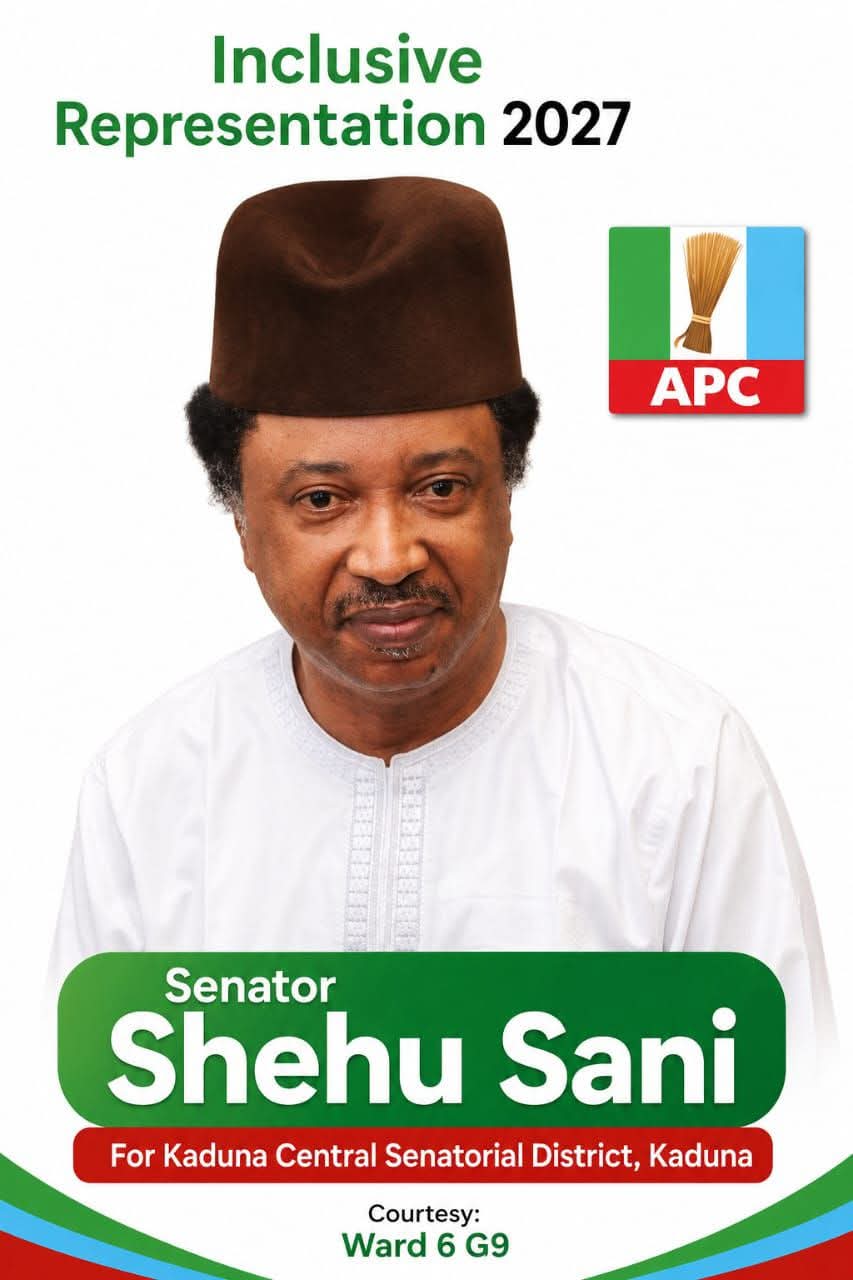
Shehu Sani Knocks David Mark’s ADC Protest, Says Leaders Are ‘Old Hyenas in Garb of New Tigers’

Former Kaduna Central senator, Shehu Sani, has strongly criticised the recent protest spearheaded by former Senate President, David Mark, under the platform of the African Democratic Congress (ADC), describing it as insincere and driven by personal political ambitions.

Reacting to the development, Sani dismissed the protest as a gathering of “old hyenas in the garb of new tigers,” accusing its leaders of lacking the credibility to champion the cause of ordinary Nigerians.

According to him, many of those now presenting themselves as opposition figures had previously occupied positions of authority but failed to deliver meaningful progress during their time in office.

“They have been in power and achieved nothing,” Sani stated, adding that such actors now masquerade as agents of change despite being part of the system they currently criticise.

The outspoken activist further described the group as “retrogressive forces camouflaging as opposition,” insisting that their actions are not motivated by genuine concern for Nigerians but by personal political interests.

“If they are messiahs or magicians, Nigeria wouldn’t have been like this,” he said, questioning what he termed their sudden transformation into advocates of reform.

Sani also alleged that many of the leaders involved were instrumental in shaping what he described as Nigeria’s flawed political structure.

“They are the architects and structural engineers who built the faulty system in our country,” he added.

He further argued that none of the key figures within the ADC leadership demonstrated strong democratic credentials while in office, casting doubt on their current posture as champions of democracy.

In a metaphorical remark, Sani likened the party’s internal struggles to mechanical failure, stating that “the ADC leaders bought a used vehicle and are now battling with engine problems.”

He suggested that if the group desired a crisis-free platform, they should have registered a new political party rather than aligning under an existing structure.

The comments come amid growing political realignments and heightened activities among opposition parties ahead of future electoral contests, as analysts continue to monitor shifting alliances within Nigeria’s political landscape.

0ne Man, Many Parties; Kano’s Long Struggle with Political Monopoly

By Barrister Aminu Hussaini Sagagi

In the evolving theatre of Kano politics, the reported move by Sen. Rabiu Musa Kwankwaso to the African Democratic Congress (ADC) is being framed by his loyalists as yet another masterstroke of political relevance. But beneath the familiar choreography of defection lies a more uncomfortable truth, one that Kano’s politically conscious electorate must now confront with clarity and courage.

It is not a reinvention, as they euphorically claimed, it is a repetition. For decades, Kwankwaso has perfected a pattern of movement without ideological migration, defection without doctrinal evolution. From party to party, platform to platform, the constant has never been policy or principle; it has been personal centrality. The political vehicle may change, but the driver remains the same and the destination is invariably power concentrated in one man’s orbit.

For the first time in a long while, the choice before Kano electorates in 2027 is very clear – choosing between two political destinies; politics as personal preservation and politics as public evolution.

The ADC, in this context, risks becoming less a party and more an extension of a familiar enterprise; another platform recalibrated to sustain a personal political ecosystem. It is a model Kano knows too well; loyalty elevated above competence, structure subordinated to personality and dissent quietly erased in the name of movement cohesion.

This is the deeper question: At what point does political consistency give way to political monopoly?

Sen. Kwankwaso’s enduring strength has never been in institutional building but in emotional consolidation, the creation of a movement bound not by shared governance philosophy but by personal allegiance. Such a structure, while formidable in mobilization, is inherently fragile in transition. It struggles to outlive the will of its architect and resists the emergence of alternative voices within its fold. That is precisely where the contrast with Governor Abba Kabir Yusuf becomes both striking and significant.

Governor Yusuf’s political realignment, controversial as it may appear on the surface, signals something Kano has long been denied, the assertion of institutional independence over inherited loyalty. In choosing to chart a course outside the shadow of political godfatherism, he has disrupted a long-standing orthodoxy that, leadership in Kano must be tethered to a singular political patriarch.

That was not merely a defection, it was a declaration. A declaration that governance must evolve beyond the boundaries of personal empires. That Kano’s future cannot remain perpetually negotiated within the inner circles of a single political lineage. That leadership must, at some point, belong fully to the people, not proximally to a benefactor.

Critics will argue that politics is, by nature, fluid, that movement between parties is neither new nor inherently problematic. And they would be correct. But fluidity becomes suspect when it consistently flows in one direction, towards the preservation of personal dominance rather than the advancement of public purpose.

What Kano now witnesses is a defining divergence in political philosophy. On one hand, a recycled trajectory, a seasoned tactician seeking renewed relevance through another platform, carrying forward a model anchored in personal command. On the other, an emergent assertion, a sitting governor boldly attempting, however imperfectly, to redraw the boundaries between mentorship and control, loyalty and autonomy.

This moment, therefore, is larger than party labels. It is about the ownership of Kano’s political future. Will it remain the extension of an enduring political dynasty, adaptable in platform but constant in control?
Or will it gradually transition into a more open, institution-driven system where leadership is negotiated by performance rather than predetermined by allegiance?

Sen. Kwankwaso’s move to ADC may yet reshape alliances, energize opposition and reconfigure the electoral map. But it also inadvertently sharpens a narrative that may prove far more consequential, the contrast between politics as personal preservation and politics as public evolution. In that contrast lies the real contest ahead. And perhaps, for the first time in a long while, Kano is not merely choosing between parties, it is choosing between two political destinies.

Barrister Hussaini is the
Convener – “KanoFirst Movement”

ECN Felicitates Tinubu on Birthday, Commends Energy Reforms

The Energy Commission of Nigeria (ECN) has congratulated President Bola Ahmed Tinubu on the occasion of his birthday, lauding his leadership and commitment to national development, particularly in the energy sector.

In a statement issued on behalf of the Commission, the Director-General of the ECN, Dr. Mustapha Abdullahi, described the President as a courageous leader whose reform-driven governance has continued to inspire confidence and optimism across the country.

Abdullahi noted that Tinubu’s administration has demonstrated strong resolve in repositioning Nigeria’s energy landscape, with a clear focus on sustainability and innovation. He particularly highlighted the President’s support for solarisation initiatives and the transition to renewable energy, which he said have significantly improved power access in key sectors.

According to him, over 37 health institutions, tertiary institutions, Ministries, Departments and Agencies (MDAs), as well as several rural and urban communities, have benefited from solar energy interventions within the last three years.

He further commended the President’s role as Chairman of the ECN Board, noting that his practical commitment to energy reforms is laying a solid foundation for resilience, innovation, and sustainable national development.

“Your courageous leadership, firm resolve, and bold reform-driven governance continue to serve as a springboard for a renewed Nigeria,” Abdullahi stated.

The ECN boss also acknowledged the President’s broader impact across critical sectors, describing his leadership as instrumental in driving national progress.

He prayed for God to grant the President renewed wisdom, good health, and long life to continue steering the country toward greater prosperity.

“Happy Birthday, Mr. President,” the statement added, celebrating Tinubu as a leader committed to the advancement of Nigeria.

Renewed Hope Initiative: ECN DG Hosts Conference of Speakers, Reaffirms Push for Nationwide Solarization.

In a move to boost energy planning within the States of the Federation, the Director-General of the Energy Commission of Nigeria (ECN), Dr. Mustapha Abdullahi, has received the Conference of Speakers of State Houses of Assembly at the Commission’s headquarters in Abuja.

This ís as he reaffirmed the Federal Government’s commitment to strengthening partnerships with states to address energy shortfalls across critical public infrastructure.

The engagement which focused on advancing the solarization of government buildings, healthcare facilities, schools, and other essential institutions is part of a coordinated national effort to deliver clean and sustainable energy solutions.

Dr. Abdullahi noted that the initiative aligns with President Bola Ahmed Tinubu’s Renewed Hope Agenda and supports the decentralization of Nigeria’s energy master plan through the large-scale deployment of renewable energy technologies.

He emphasized that the project will enhance energy access, reduce reliance on the national grid, and promote environmental sustainability.

The Director-General further stated that the initiative is expected to significantly improve energy reliability in public institutions while accelerating Nigeria’s transition to sustainable energy.

Speaking on behalf of the delegation, the Speaker of the Delta State House of Assembly commended the solarization programme and assured that state legislatures would provide the necessary support to ensure its timely and effective implementation.

The solarization project, launched in 2025, is a key component of the Federal Government’s broader clean energy drive aimed at powering public institutions across the country with solar energy.

Kano First: The Landmark Ruling That Validates Governor Yusuf’s Bold Shift.

By Barrister Aminu Hussaini Sagagi

In moments of political turbulence, leadership is ultimately judged not by loyalty to structures in crises, but by fidelity to the people one serves. The recent ruling of the Apo Judicial Division of the Federal Capital Territory High Court, which recognized the Boniface Aniebonam faction of the NNPP as the legally authentic party and directed INEC accordingly, has brought a decisive clarity to what had long been an increasingly murky and destabilizing internal conflict.

For the Governor of Kano State, Alhaji Abba Kabir Yusuf, this judicial pronouncement does more than settle a factional dispute, it vindicates a decision that, at the time it was made, attracted fierce criticism but was rooted in pragmatic foresight and responsibility.

When the Governor chose to part ways with the faction aligned to Sen. Rabiu Musa Kwankwaso, the dominant narrative pushed by critics was one of betrayal. Yet, with the benefit of unfolding events and now the weight of judicial affirmation, it is increasingly evident that the decision was not about political convenience but about safeguarding the stability of Kano State.

At the heart of the matter lies a simple but propound principle that governance cannot thrive in the shadow of legal uncertainty and factional paralysis. The protracted crisis within the NNPP had already begun to cast a long shadow over its elected officials, raising legitimate concerns about party legitimacy, electoral mandates and the risks of prolonged litigations.

For a sitting Governor, the implications were stark; whether to remain entangled in a party facing existential legal disputes or chart a course that ensures continuity of governance and protects the mandate entrusted by the people. Governor Yusuf chose the latter.
His defection to the All Progressives Congress (APC) must therefore be understood not as an abandonment of political ideals, but as an act of strategic recalibration in the interest of the people. By stepping away from a party embroiled in internal contradictions, now confirmed by the court’s recognition of a rival faction, he effectively insulated Kano from the kind of instability that often accompanies prolonged political and legal crises.

Critically, this move also positioned the state to benefit from stronger alignment with the federal government. In Nigeria’s political economy, access matters. Federal collaboration can accelerate infrastructure development, enhance security coordination and unlock economic opportunities that might otherwise remain out of reach. In this regard, the governor’s decision reflects a clear prioritization of outcomes over optics and of tangible progress over partisan rigidity.

It is also worth noting that leadership sometimes requires the courage to endure temporary misunderstanding in pursuit of long-term stability. The initial backlash that greeted the governor’s move was, in many ways, inevitable in a political environment deeply shaped by loyalty to personalities and movements. However, as the internal contradictions within the NNPP have now been laid bare through judicial intervention, the logic underpinning Governor AKY’s decision becomes increasingly difficult to dispute.

This is not to suggest that political realignments are without consequence or controversy. They are, by nature, disruptive. But disruption, when guided by a clear commitment to public interest, can be a necessary prelude to stability and progress.
The unfolding reality, therefore, invites a reaffirming of the narrative. Rather than viewing the governor’s defection through the narrow lens of partisan allegiance, it should be seen within the broader context of responsible governance. Faced with a party in disarray and risk of legal and political uncertainty, Abba Kabir Yusuf chose a path that prioritized Kano first, its stability, its development and its future.

In the final analysis, history tends to be kinder to decisions that place people above politics. The recent court ruling does not merely resolve a party dispute, it underscores a deeper truth that in times of crisis, decisive leadership anchored in the public good will always find its justification.
Kano deserves stability; Kano deserves progress and above all, Kano deserves leadership that is willing to make difficult choices.

Barrister Hussaini is the Special Adviser to Governor AKY on Justice/Constitutional Matters.

Dantsoho @57: Maritime Momentum Master

By Abdullahi Sabiu

Fresh from a defining moment on the global stage in Japan, where he secured a prestigious international maritime leadership role, Abubakar Dantsoho clocks 57 with his profile not just rising at home, but commanding recognition across the world’s maritime corridors.

It is a fitting milestone for a man whose steady hand is fast redefining Nigeria’s port ecosystem.

At the helm of the Nigerian Ports Authority (NPA), Dantsoho has emerged as a quiet reformer with global relevance—bridging local execution with international credibility. His recent recognition abroad is more than ceremonial; it is a validation of reforms taking root within Nigeria’s once-troubled port system.

Since assuming office, he has steered the NPA away from chronic inefficiencies toward a culture of discipline, coordination, and forward planning. Congestion is being confronted, processes are being streamlined, and the long-overdue march toward port digitisation is gaining traction. The result is a system gradually shedding its old image and embracing operational clarity.

Dantsoho’s leadership is defined by resolve rather than rhetoric. He understands that ports are not just terminals—they are economic lifelines.

Under his watch, every improvement in cargo clearance, every reduction in turnaround time, and every increase in transparency feeds directly into national productivity and investor confidence.

What sets him apart is his ability to navigate a complex web of stakeholders without losing focus. The maritime sector, long burdened by entrenched interests, is yielding—slowly but surely—to a new order driven by accountability and shared purpose.

Now, with global recognition reinforcing his local reforms, Dantsoho stands at a unique intersection: a technocrat with both domestic impact and international voice.

His growing influence signals that Nigeria is no longer content with being a passive player in global maritime affairs.

At 57, his journey reflects discipline, depth, and direction. Not loud, not flamboyant—but effective, strategic, and increasingly impossible to ignore.

As Nigeria pushes to unlock the vast potential of its blue economy, one thing is becoming clear: the momentum is real—and Dantsoho is firmly at its centre.

Northern Coalition Warns Senate Against ‘Vindictive’ Probe of Ex-NNPCL Boss Kyari


A coalition of northern youth groups has cautioned the Nigerian Senate against what it described as attempts to politically target former Nigerian National Petroleum Company Limited (NNPCL) Group Chief Executive Officer, Mele Kyari, over alleged discrepancies in the company’s audited financial statements.

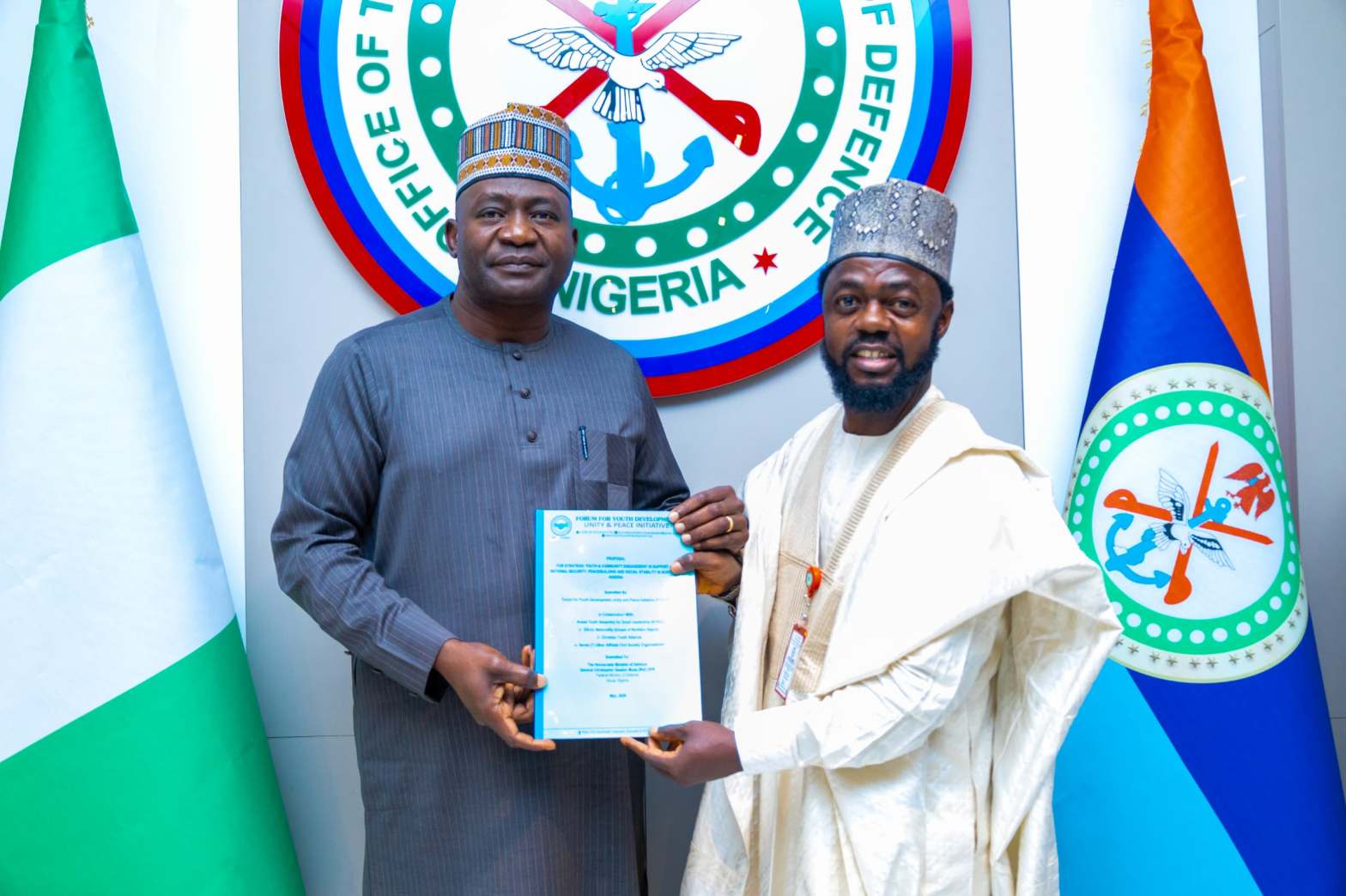
The groups, led by the Arewa Youth Assembly for Good Leadership (AYAGL), issued the warning in a press statement on Saturday in Abuja in collaboration with the Forum for Youth Development, Unity and Peace Initiative and 21 other civil society organizations.

The statement, signed by the president of the assembly, Amb. Abdul Danbature, expressed concern over the decision by the Senate to summon Kyari in relation to alleged discrepancies amounting to ₦210 trillion in the financial records of the Nigerian National Petroleum Company Limited.

According to the groups, there has been a growing trend of blackmail and politically motivated accusations aimed at discrediting individuals who have served the country.

“We believe it is important to caution against the growing trend of blackmail, politically motivated accusations and deliberate attempts to discredit individuals who have served this country with dedication,” the statement said.

The youth groups insisted that Kyari demonstrated strong commitment to reforming Nigeria’s oil and gas sector during his tenure as head of the national oil company.

They cited several achievements under his leadership, including the transition of the former Nigerian National Petroleum Corporation into a limited liability company in line with the Petroleum Industry Act, the rehabilitation of Nigeria’s refineries, and efforts to improve transparency and monitoring in crude oil production.

The coalition also credited Kyari with expanding gas infrastructure, strengthening energy security and promoting local participation and youth engagement within the oil and gas industry.

The groups described the former NNPCL chief as a patriotic Nigerian who supported the policies of President Bola Ahmed Tinubu, particularly the administration’s Renewed Hope Agenda aimed at repositioning the country for sustainable economic growth.

They further noted that Kyari had consistently encouraged young Nigerians and supported youth leadership opportunities in strategic sectors of the economy.

“It is unfortunate that after years of service to the nation, attempts are now being made to drag his name into unnecessary controversies capable of distracting him from enjoying his well-deserved retirement,” the statement added.

While acknowledging the constitutional oversight powers of the Senate, the groups urged lawmakers to avoid using such powers for what they described as political witch-hunt or character assassination.

They also called on the Senate to concentrate on pressing national challenges, particularly insecurity affecting communities across northern Nigeria and other parts of the country.

The coalition urged Nigerians to treat the allegations against Kyari with caution and resist attempts by individuals or groups seeking to manipulate public opinion for personal or political interests.

The groups further appealed to relevant institutions to allow the former NNPCL chief to enjoy his retirement without harassment or undue distractions.

“Nigeria must always recognize and respect those who have dedicated their time and expertise to national service,” the statement concluded.