Energy Commission Of Nigeria, DG Honoured By Confluence University of Science/Technology

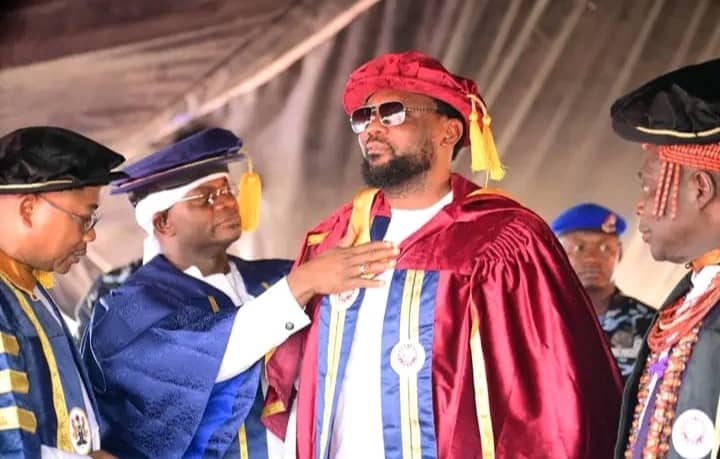
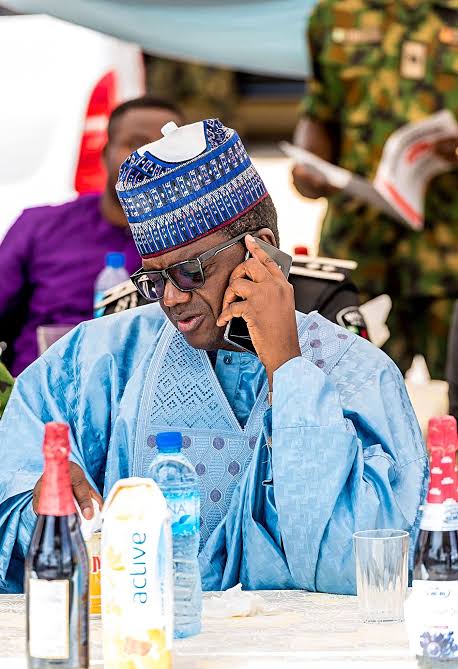
Dr Mustapha Abdullahi, the Director General of Energy Commission Of Nigeria has been honoured with an Honorary Doctorate Degree of Engineering (D.Eng., Honoris Causa
by the Confluence University of Science and Technology .

The honour was conferred on him by the reputable institution during its maiden joint convocation ceremony; a celebration of academic excellence that reinforced Nigeria’s commitment to sustainable development through science, technology, and innovation.

Presenting the award to Dr Mustapha Abdullahi, in the presence of former Governor Yahaya Bello, the University Chancellor, and the Vice-Chancellor, Engr. Prof. Abdulrahman Asipita Salawu, Kogi state governor, Usman Ododo recognized Dr. Abdullahi’s outstanding contributions to Nigeria’s energy sector and his pioneering work in renewable energy solutions.

Dr. Abdullahi, accompanied by directors and staff of the Energy Commission of Nigeria, expressed profound appreciation for the honour.

This is as he also reaffirmed his commitment to advancing technology and innovation, particularly in renewable energy, and pledged to strengthen partnerships that support sustainable development across the country.

Speaking Dr Mustapha Abdullahi said, ‘ I am deeply honoured to receive an Honorary Doctorate Degree of Engineering (D.Eng., Honoris Causa) from Confluence University of Science and Technology (CUSTECH), Osara, during its maiden joint convocation ceremony.

‘This recognition inspires me to continue advancing Nigeria’s energy sector and promoting sustainable development through science, technology, and innovation.

“I thank Governor Ahmed Usman Ododo, former Governor Yahaya Bello, the University Chancellor, and the Vice-Chancellor, Engr. Prof. Abdulrahman Asipita Salawu, for this esteemed award.

‘Together with my directors at the Energy Commission of Nigeria, I remain committed to driving technology and innovation, particularly in renewable energy, and strengthening partnerships that create lasting impact across our nation.

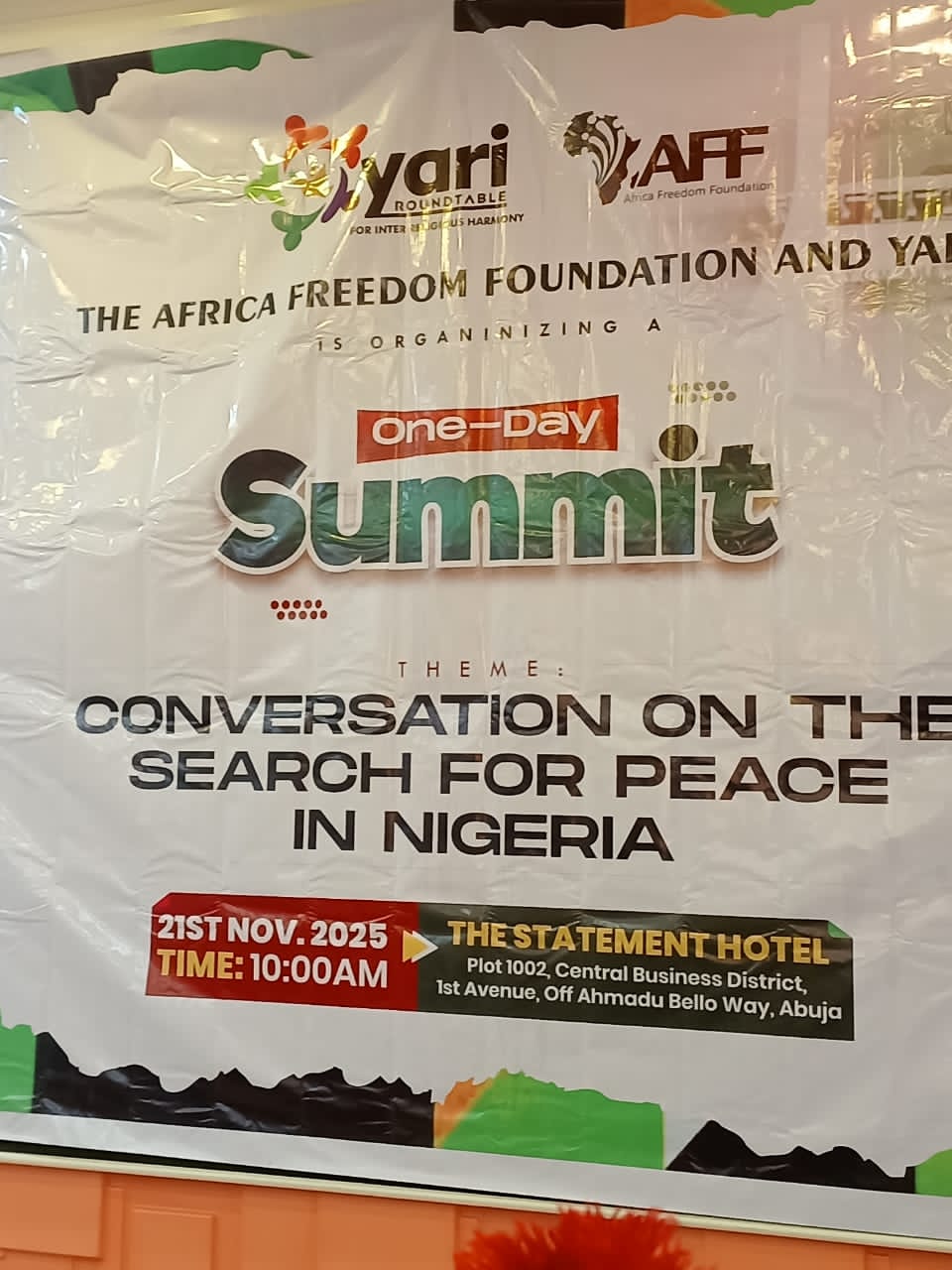
Yari Roundtable Schedules Fresh Plateau–Kano Interfaith Dialogue for December 4

The Yari Roundtable for Inter-Religious Harmony has scheduled Thursday, December 4, for another high-level interfaith peace parley aimed at strengthening unity and understanding among Christian and Muslim stakeholders in Plateau and Kano States.

The planned dialogue follows the organisation’s recently concluded and widely commended interfaith engagement in Abuja, where religious leaders from across the North explored collaborative approaches to mitigating tensions and fostering a culture of mutual respect.

In a statement issued on Monday, the organisers said the forthcoming summit would bring together prominent Islamic and Christian clerics, traditional rulers, civil society organisations, youth representatives and key community influencers from both states.

According to the statement signed by Dr. Mohammed Kassim, the initiative seeks to consolidate ongoing conversations on peaceful coexistence, enhance inter-religious cooperation, and build sustainable frameworks for conflict prevention across northern communities.

“The Yari Roundtable has created a platform for honest dialogue, where leaders can collectively examine root causes of conflicts and articulate actionable solutions that promote lasting peace,” the statement read.

The parley is expected to review recent communal challenges and outline strategies for strengthening trust between various faith-based groups, particularly in communities that have experienced recurrent violence.

The organisers stressed that the event aligns with the Roundtable’s broader mission of promoting unity, tolerance and harmony across the North. They expressed confidence that the Plateau–Kano peace dialogue would contribute meaningfully to ongoing peacebuilding efforts and reinforce the importance of partnerships among religious bodies.

At the end of the meeting, participants are expected to issue a joint communiqué outlining resolutions and commitments to deepen interfaith collaboration and long-term peace initiatives.

Minister  For Defence Debunks Alleged Comment on Zamfara Security Efforts

By Musa Maye

Matawalle debunks reports that he claimed Zamfara security won’t work without him

The Minister of State for Defence, Alhaji Bello Matawalle, has dissociated himself from a report circulating on social media, claiming he said “Zamfara security initiative wouldn’t work without him.”

Matawall described the reports as maliciously crafted to tarnish his good reputation and efforts, and undermine the Federal Government’s efforts at tackling the security challenges facing the nation.

He said at no time did he grant any such interview, noting, however, that he had taken Zamfara State Governor Dauda Lawal to task over his poor strategy and non-cooperation with the Federal Government on mechanism for tacking the security challenges.

Matawalle, who had earlier served as Zamfara governor for four years before his present ministerial appointment, noted that Governor Lawal’s attitude of not carrying him and other stakeholders along in his arrangements for tackling the state’s security situation that has become a national issue is condemnable.

He said meeting with the Minister of Defence, Alhaji Mohammed Badaru, alone and neglecting him who is a son of the soil and a minister from the state also saddled with defence matters, is regrettable.

“Everything should not be politicised. This is the time all hands should be on deck to tackle the security problems,” Matawalle said.

He also condemned the governor for authorizing that security operatives on the ground in Zamfara move to tackle the security threat without coordinating with Abuja, a situation he described as a major drawback in the process.

He described the story as a sponsored mischief by certain group of people who were out to use all other avenues to create political tension and instability in Zamfara State.

“Premium Times as a respected medium ought to have clarified from Matawalle or his media aides his statement on the matter in order to give accurate information to the public.

“The media should not be used as tools of political mischief and mudslinging because of differences in political leanings.

“As a stakeholder in the management of security in the nation, there is no reason for him to want to sabotage the efforts of any state governor, talk less of his own state where the security challenges have become unmanageable due to poor governance,” Matawalle added.

According to him, the Federal Government remains committed to securing communities and ensuring residents return safely to abandoned farmlands, schools and homes.

He said the ruling All Progressives Congress (APC) is fully committed to addressing the country’s problems and no political collusion

‎‎”We Are Helpless, We Have Nothing Left to Give” Kurama Cries out as Bandits Demand N500m to Free 13 Breadwinners

By Tom Garba


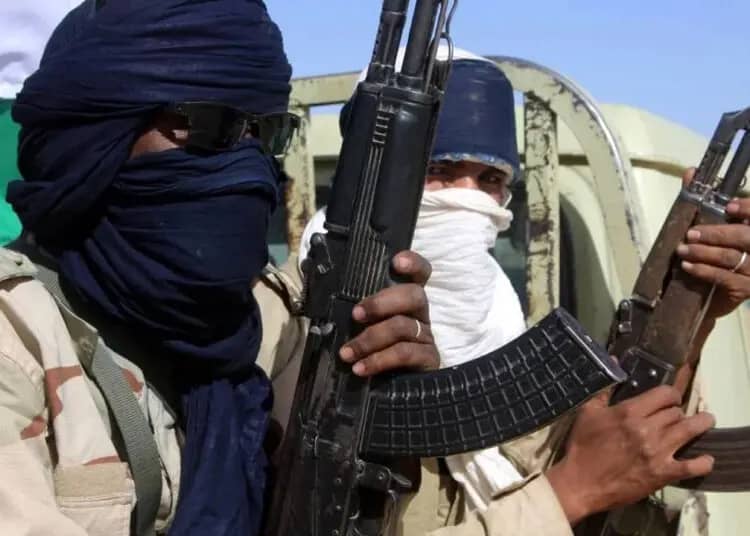
‎The entire Kurama Chiefdom in Lere Local Government Area of Kaduna State has been plunged into uncontrollable mourning as terrorists holding thirteen residents, including an ECWA pastor, have issued a chilling ransom demand of Five Hundred Million Naira (N500,000,000) – a sum the traumatised communities say is impossible to raise.

‎Two weeks after gunmen stormed the sleepy villages of Gidan Yawa, Maiyamma, Jantsauni, and Maidoki around 10:30 pm, shooting three people dead and abducting thirty others in a night of terror, the bandits have now reduced their captives to thirteen and delivered their outrageous price for freedom.

‎“We are finished. These are the breadwinners of their families; farmers, fathers, a pastor, and the bandits are asking for half a billion naira. Where will poor villagers find such money?” wept Mr. Pius Agaji Kyauta, National Publicity Secretary of the Federated Kurama Association.
‎ “Our people are helpless. We have no guns, no soldiers, no money. We are at the mercy of these killers.”

‎The affected villages, quiet farming settlements on the outskirts of Yarkasuwa, were overrun by suspected armed Fulani bandits who moved from house to house, dragging out men, women and children while firing indiscriminately. The thirteen still in captivity are believed to be those considered most “valuable” by the terrorists.

‎The Kurama people say they have been abandoned to their fate. Traditional rulers sit in silence, palaces turned into mourning grounds. Mothers whose sons were taken wail openly in the streets. The communities have no means to borrow, no collateral to sell, and no hope of meeting even a fraction of the ransom.

‎This latest atrocity is only the most recent in a long chain of bloodshed visited upon the Kurama nation. In recent years, the District Head of Garun Kurama, the District Head of Gurzan Kurama, a Catholic priest of Yadin Garun Kurama Parish, the wife and son of the Lere LGA APC Chairman Hon. Jonathan Shekarau, and countless farmers have all been kidnapped or murdered. Many remain in captivity or were killed when ransom could not be paid.

‎“We beg President Bola Ahmed Tinubu, National Security Adviser Mallam Nuhu Ribadu, and our Governor Senator Uba Sani – please come to our rescue,” Mr. Kyauta pleaded, his voice breaking. “Kurama people, Amo, Surubu, Chawai, even Igbos living among us – everyone is a victim. We are tired of burying our people and paying blood money we do not have.”

‎As night falls over the scarred villages, mothers clutch empty mats where their children once slept, fathers stare at abandoned farms, and an entire chiefdom waits in helpless dread – knowing the next phone call from the bandits could bring either a reduced demand they still cannot meet, or the unbearable news that more lives have been taken because they are too poor to buy them back.

‎For now, the Kurama nation can only mourn and pray, utterly powerless against the terror that has made their land a valley of tears.

Kaduna SAP Committee Warns of Rising Insecurity as Nigeria Marks 2025 16 Days of Activism

By John Adogi

The Kaduna State Multi-Stakeholder State Action Plan (SAP) Implementation and Monitoring Committee (SMIMC) has joined the global commemoration of the 2025 International 16 Days of Activism Against Gender-Based Violence, expressing concern over escalating insecurity across Kaduna State and the country.

Committee’s Chairperson, Saadatu Hamma, in a statement on Tuesday, said the Committee is working in partnership with the CLEEN Foundation and the Royal Norwegian Embassy.

She highlighted the growing incidents of kidnapping, terrorism, and banditry, noting that these threats continue to endanger residents and expose women, girls, and vulnerable groups to heightened protection risks.

The SMIMC also referenced the recent classification of Nigeria as a “country of concern” by the United States, describing it as further evidence of the urgent need for strengthened preventive and coordinated responses to insecurity, human rights violations, and gender-based violence.

The Committee stressed that worsening insecurity has deepened the vulnerability of women and girls, exposing them to sexual and gender-based violence, displacement, disrupted education and economic activities, trauma, and exclusion from peacebuilding processes.

It reaffirmed its commitment to implementing the Kaduna State Action Plan on Women, Peace and Security (KADSAP), with actions focused on strengthening community early warning systems, supporting coordinated services for survivors of gender-based violence, and enhancing women’s participation in peace and security decision-making.

The SMIMC also called on government authorities to intensify security operations, urged security agencies to adopt gender-sensitive approaches, and appealed to traditional leaders to protect women and girls and speak out against violence.

Civil society, the media, women’s groups, HeforShe ambassadors and youth networks were encouraged to amplify peace messaging and support community-level resilience efforts.

The Committee believed that sustainable peace and development in Kaduna State is not achievable without the inclusion, protection, and leadership of women and girls.

DICON Shocks the Nation with First-Ever DG-103 Rifles in Major Defence Breakthrough


By Saul Atiku

The Defence Industries Corporation of Nigeria (DICON) has reached a significant milestone in its mission to strengthen Nigeria’s defence sector, unveiling the first batch of its locally manufactured DG-103 rifles.

The upgraded version of the AK-103, produced in Kaduna, marks a critical step in reducing the country’s reliance on imports for weapons and ammunition.

Within just two months of launching production, DICON–D7G has successfully assembled nearly 1,000 units of the DG-103, with all rifles passing rigorous operational tests and meeting the high standards set by the Nigerian Armed Forces and other security agencies.

This achievement underscores the company’s growing capacity to meet the country’s security needs with domestically produced equipment.

In addition to small arms, DICON–D7G is expanding its production capabilities to include drones and anti-drone systems, which are set to bolster the military’s early-warning capabilities during field operations.

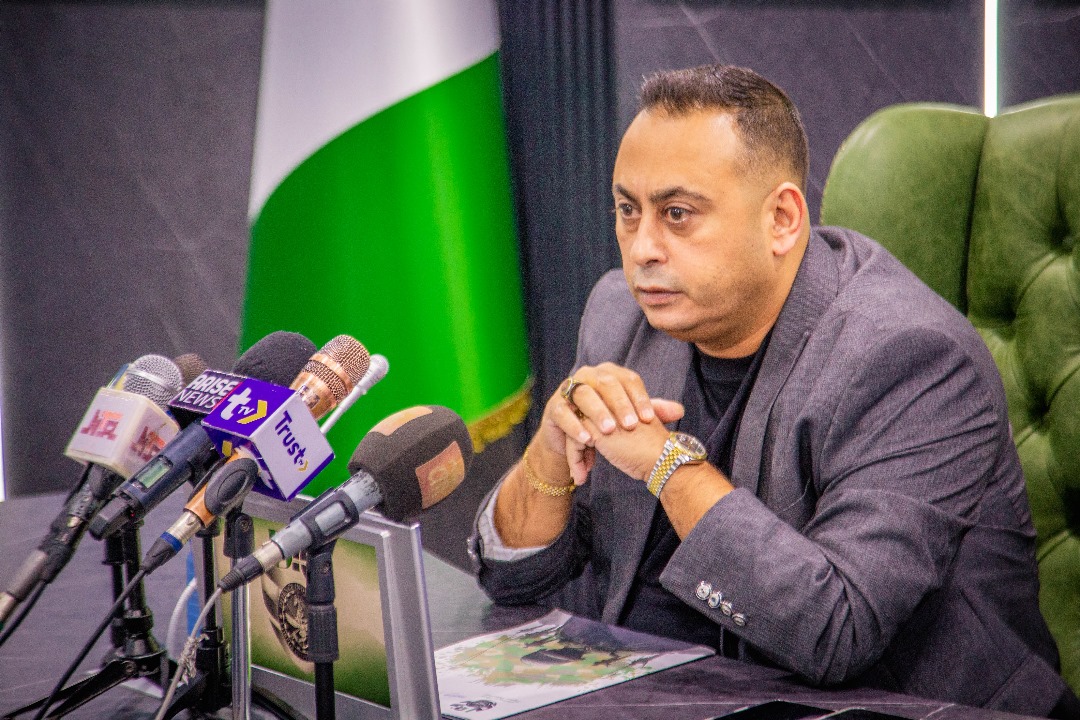
The company’s CEO, Mr Osman Chennar, revealed that their long-term target is to reach an annual production capacity of 60 million rounds of ammunition, reinforcing Nigeria’s self-sufficiency in defence.

“DICON–D7G’s commitment to advancing the country’s defence industry does not stop with firearms and ammunition.

“In a bold move to further boost local production, we are on track to acquire a military jetty in Lagos by February 2026.

“This facility will house a production line, warehouses, and staff accommodation, in addition to a shipyard for servicing and maintaining naval vessels,” he said.

The acquisition is expected to enhance Nigeria’s defence manufacturing capabilities and open new avenues for exporting defence equipment across Africa.

“These developments reflect DICON–D7G’s role in Nigeria’s broader strategy to reduce foreign dependency and enhance national security.

“By investing in local production, we are not only addressing the country’s immediate defence needs but also laying the foundation for long-term security readiness,” he stressed.

In January 2024, both DICON, a Nigerian-run defence manufacturer based in Kaduna, and D7G a private, indigenous Nigerian defence technology company, formalised a strategic partnership by signing an MoU to establish DICON-D7G Nigeria Limited, a joint venture that combines DICON’s government-backed institutional mandate with D7G’s technical expertise and innovation capacity to strengthen Nigeria’s domestic defence production.

N1b Payments to Bandits : Elrufai lying about bandits payments- Shehu Sani

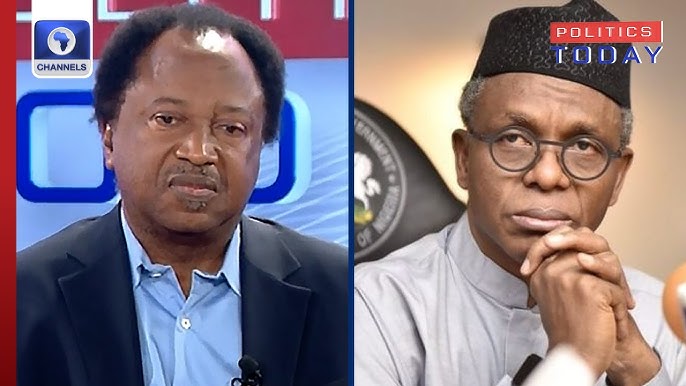
Former Kaduna Central Senator, Shehu Sani, has dismissed as “false and ridiculous” the claim by ex-Governor Nasir El-Rufai that the Kaduna State Government under Governor Uba Sani paid N1 billion to bandits.
In a strongly-worded statement issued and made available to Journalists today , Senator Sani said the allegation attributed to the former governor lacked credibility and amounted to “politically motivated falsehood.”

In the statement personally signed by Senator Shehu Sani accused the former governor of establishing what he described as a “culture of appeasement to terrorists” during his administration. According to him, El-Rufai had previously admitted to engaging in “conditional cash transfers” to bandits, a claim which, he noted, led to the arrest of journalist Luka Biniyat at the time.

The former lawmaker argued that Kaduna State witnessed some of its worst security incidents under El-Rufai’s leadership, citing several high-profile attacks including the Kaduna–Abuja train attack, the Greenfield University abductions, and the kidnapping and killing of students from the Federal College of Forestry Mechanisation, Bethel Baptist High School, and other institutions.

“Under his watch, bandits and terrorists operated freely like lords and kings,” Sani said, adding that large portions of Southern and Central Kaduna became “slaughterhouses where criminals operated unchallenged.” He noted that even the Kaduna airport was shut down at some point due to escalating insecurity.

Sani also referenced El-Rufai’s withdrawal of his son from a public school over safety concerns, arguing that such actions contradict the former governor’s present claims on security.

Challenging El-Rufai to present evidence of any alleged payment by the current administration, Sani said: “If he has images or videos showing cash being handed to bandits, he should make them public.”

The former senator further alleged that El-Rufai is driven by “envy” over what he described as Governor Uba Sani’s success in fostering unity between the predominantly Christian Southern Kaduna and the Muslim-majority Northern Kaduna.

He accused the former governor of presiding over an era marked by “religious and ethnic discrimination, division, persecution, torment and terror.”

While acknowledging that Kaduna, like other northern states, continues to grapple with security challenges, Senator Sani argued that Governor Uba Sani has made notable progress in “building bridges across religious divides and dismantling the structures of banditry allegedly inherited from his predecessor.”

“No sensible or responsible person conscious of history will give credence to the stream of lies that have become habitual in the life of a man in his mid-60s,” he added.

Faith Leaders Unite in Abuja as Yari Roundtable Pushes Bold Agenda for Northern Peace

The Yari Roundtable for Inter-Religious Harmony has convened a major interfaith summit in Abuja, bringing together leading Christian and Muslim clerics to deliberate on practical, community-driven solutions to the insecurity ravaging Northern Nigeria.

The high-level gathering drew prominent religious figures and dignitaries from all 19 northern states, each committed to charting a new, collaborative course for peace, unity, and stability in the region.

Senator Shehu Sani, who attended and spoke at the opening session, said the worsening security situation in the North—terrorism, banditry, kidnapping, and violent crime—made the summit both urgent and essential. He stressed the need for leaders to confront the realities behind the violence and engage people who experience the crisis firsthand.

According to him, the roundtable was deliberately structured to hear from religious leaders and community stakeholders, gather credible insights, and compile a harmonised report that would guide government action at multiple levels.

“We must stop being reactive as leaders,” Sani said. “The step we are taking today is a bottom-up approach to finding solutions. The North cannot develop under the weight of insecurity. We must face the issues honestly and pursue lasting solutions once and for all.”

He urged clerics to use their places of worship as platforms for spreading messages of peace and social harmony. Expressing satisfaction with what he described as the robust and deeply enriching discussions at the summit, Sani noted that the contributions shared by participants reflected genuine community experiences and practical realities.

According to him, the Yari Roundtable for Interreligious Harmony was established to explore collective strategies for achieving peace and countering terrorism, which has deeply destabilised northern communities. Participants agreed that terrorism and banditry pose a common threat to people of all faiths, making collaboration essential.

Sani further emphasised that interfaith cooperation remains critical in promoting tolerance, rebuilding communal trust, and mobilising citizens against violent extremism. He said Christian and Muslim leaders must work hand-in-hand if the North is to reclaim stability.

Religious leaders at the summit praised Senator Abdul Aziz Yari for initiating the maiden interfaith roundtable, describing the move as timely, courageous, and necessary. They highlighted the influential role clerics play in shaping public opinion, reinforcing unity, and discouraging radicalisation.

Participants expressed optimism that the frank and extensive discussions had exposed key drivers of insecurity. They stressed that if the recommendations generated during the summit are fully implemented by federal, state, and local governments, the region could see meaningful progress in the fight against insurgency and banditry.

They also urged political leaders, security agencies, and citizens to support the summit’s resolutions and maintain interfaith engagement as a long-term pathway to peace and development.

Notable religious leaders present included Archbishop James Mafita, Sheikh Salisu Abdullahi Maibarota, Rev. Gideon Mutum, Dr. Umar Zaria, Dr. Sadiq Doka, Bishop Salisu Bala (JP), Bishop Livingston Achili, Bishop Obadiah Gideon Bako, and Sheikh Adam Binani, among many others.

Senator Abdul Aziz Yari, former governor of Zamfara State, founded the Yari Roundtable for Interreligious Harmony to promote peace, unity, and cooperation across the 19 northern states by providing a platform for Christian and Muslim leaders to jointly address threats to regional stability.

Nigeria Reaffirms Climate Leadership at COP30 in Brazil


ECN DG pushes for cleaner cooling, stronger alliances, and fair energy transition

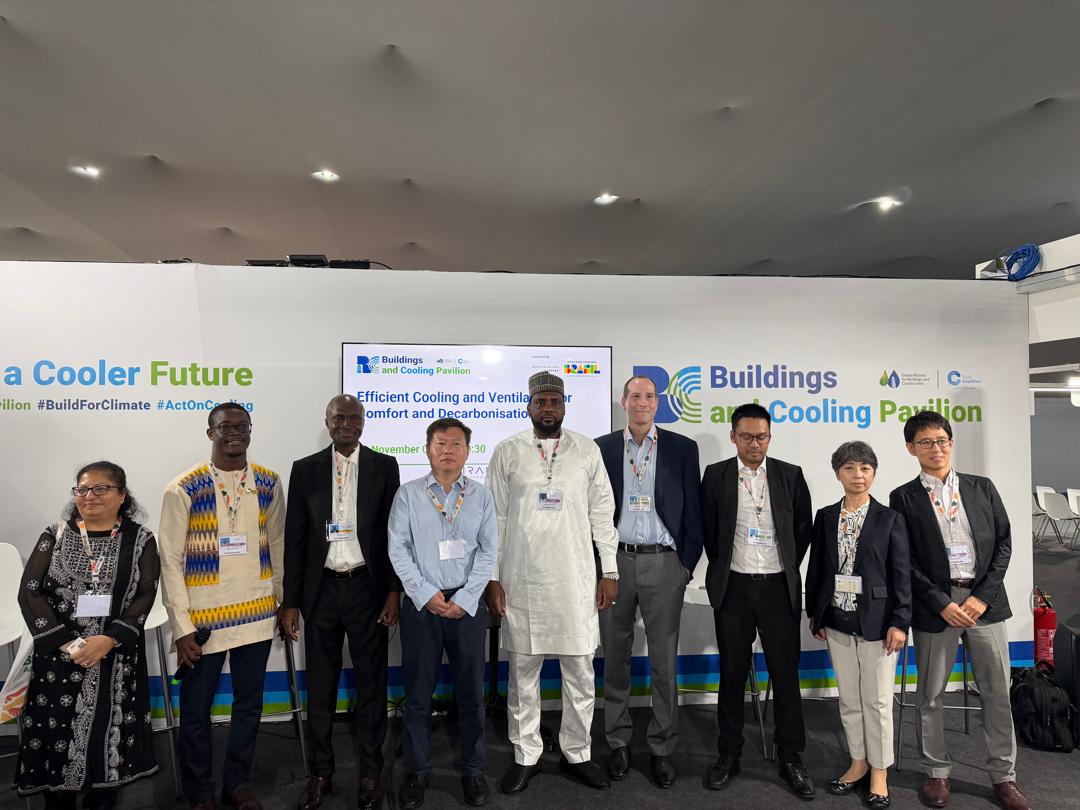
Nigeria recorded a major highlight at COP30 in Belēm, Brazil, as Dr. Mustapha Abdullahi, Director-General of the Energy Commission of Nigeria (ECN), delivered a key address at the High-Level Buildings and Cooling Pavilion Side Event, drawing global attention to the country’s climate commitments.

Speaking to an audience of international experts and energy leaders, Dr. Mustapha outlined Nigeria’s strategy for transitioning to smarter, energy-efficient cooling systems that align with global sustainability targets. He emphasized that cooling remains critical for health, agriculture, and economic stability in tropical nations like Nigeria.

He joined global partners such as Daikin Industries, UNEP-U4E, and the International Energy Agency to discuss how emerging economies can expand access to cooling without worsening environmental harm. Central to the discussions were Minimum Energy Performance Standards (MEPS) and the adoption of next-generation cooling technologies.

On the sidelines, Dr. Mustapha held talks with NNPC officials on how federal institutions can support the scale-up of these initiatives across the country.

A strong advocate of Nigeria’s solarization programme, the ECN DG restated the nation’s commitment to deeper collaboration under the Global Cooling Pledge. He reiterated that Nigeria is prepared to harmonize standards and fast-track innovations that reduce emissions while improving quality of life.

Dr. Mustapha also met with Prince Abdulaziz bin Salman, Saudi Arabia’s Minister of Energy and Climate Change. Their engagement focused on ensuring a just energy transition, particularly for developing nations that depend heavily on natural resources. Both sides agreed on the need for responsible resource management that accelerates economic growth without compromising environmental protection.

As COP30 draws to a close, Dr. Mustapha joined other Nigerian dignitaries at the Nigeria Pavilion to mark Nigeria Day. He delivered brief remarks celebrating the country’s growing role in global climate policy.

Present were the Minister for Regional Development, Engr. Abubakar Momoh; the Minister of Livestock and Fisheries Development, Alhaji Idi Mukhtar Maiha; and the Chairman of the House Committee on Science and Technology, Hon. Adelegbe Emmanuel Oluwatimehin.

Others in attendance included several distinguished Nigerian representatives, all underscoring the country’s renewed commitment to bold climate action and sustainable development.

WHEN DEMOCRACY GOES TO COURT BEFORE THE VOTER ARRIVES

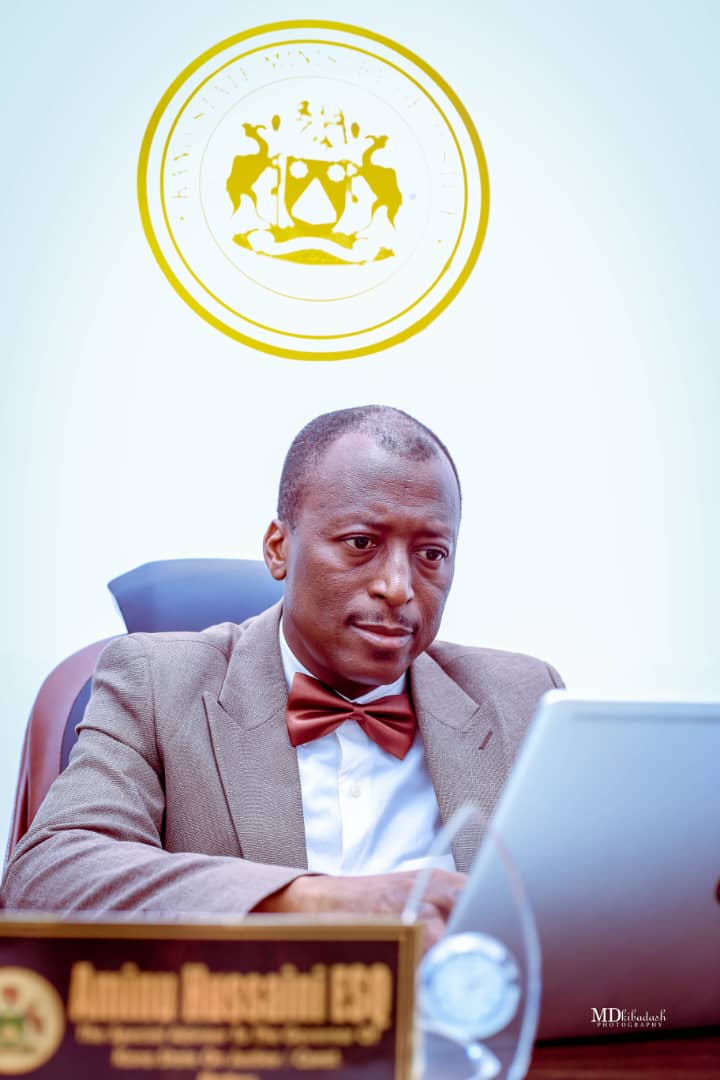
Barrister Aminu Hussaini – Examines How Triple Threats of Money, Might, and Chaotic Litigations Sets Nigeria’s Democracy at Risk

As Nigeria moves steadily toward the 2027 general elections, a familiar and troubling pattern is resurfacing: our democracy is being contested long before citizens approach the polling booths. Increasingly, political battles are fought not in town halls, rallies or debates, but in courtrooms, party secretariats, private villas and the shadows of unchecked financial influence.
When democracy goes to court before the voter arrives, the heart of electoral legitimacy is compromised; unless we confront this drift, 2027 risks becoming another election decided by judicial technicalities, power blocs and influence peddlers—not the will of the Nigerian people.
The Courtroom Is Not a Campaign Ground
Certainly, there is no democracy without an independent judiciary; but there is also no healthy democracy when litigation replaces voter persuasion and legal technicalities overshadow voter decisions. In this dispensation, pre-election court cases have mushroomed to unprecedented levels. Instead of focusing on policies, candidates invest in legal teams to disqualify opponents, overturn primaries or secure favorable interpretations of party rules, electoral law and election guidelines.
While the courts play a vital role in resolving disputes, their increasing involvement before and after elections weakens the mandate that should come from the electorate. When judges determine who appears on the ballot and who occupies position more than voters do, democracy becomes distorted.
Money: The Invisible Voter
Financial influence has become one of the most determining factors of Nigerian electoral process and outcomes. The monetization of the political process—from party forms that cost millions, to delegates’ primaries drenched in cash, to open vote-buying on election day—has made public office obviously purchasable.
In the buildup to 2027, there is already evidence of an arms race of money. But democracy should not and cannot be an auction. When the candidate with the deepest pockets surpasses the candidate with the best ideas and pedigree, the entire nation pays the price.
Might and Intimidation: The Dark Edge of Nigerian Politics
Nigeria’s elections are often marred by a subtle but powerful coercive force: the deployment of political thugs, the misuse of security agencies and the intimidation of both voters and electoral officials. If citizens cannot cast their votes freely, without fear of intimidation or manipulation of their votes, then we do not have elections—what we have are simply rituals of staged participation. As 2027 approaches, Nigerians must insist that the ballot paper not the bully or manipulation, remains the instrument of choice. Stakeholders’ manipulative tendencies must be resisted and totally rejected. We must understand and believe that our destiny would not be served on a platter of gold. True freedom is always wrested not given!
Manipulation From Within
Manipulation does not only occur at polling units. It often begins much earlier—through compromised party primaries, doctored delegate lists, parallel congresses and last-minute candidate substitutions. These internal manipulations set the stage for disputed outcomes and post-election chaos.
Regrettably, when the foundations are shaky, the entire democratic structure trembles.
Why the Popular Vote Must Be Supreme in 2027
For Nigeria to move forward, the legitimacy of leaders must come from the people—not from court rulings, kingmakers or financial powerhouses. The 2027 season provide a crucial opportunity to reinforce the principles of free, fair and credible elections which require transparent and technology-backed electoral processes that prioritize voters over power brokers; political finance reforms to curb the corrupting force of money; internal party democracy that is credible, inclusive, and free from manipulation; judicial restraint and speedy processes ensuring courts do not become substitutes for elections as well as security neutrality to guarantee voter safety and trust.
To succeed, we must believe in being strong even when it seems to be impossible. It is said that if you really want to eat, keep climbing; the fruits are on the top of the tree; stretch your hands and keep stretching them; success is on the top. One cannot score a goal when sitting on the bench; to do so, one has to dress up and enter the game. Yes, WE CAN DO IT by securing our PVCs and getting set and determine to change the impossible with it! Democracy thrives when the ballot box speaks louder than any court order or political godfather.
2027: A Defining Moment
Nigeria is at a decisive crossroads.
Citizens are increasingly aware, vocal and determined to reclaim their democratic power. But the system must make space for their voices to matter. If the results of the 2027 elections are to enjoy national and international respect, they must reflect the true will of the Nigerian people—not the interests of a privileged minority.
Our democracy must not go to court before the voter arrives. This cherished democracy must go to the polling booth—where it truly belongs. The power to shape Nigeria’s future lies with its citizens. In 2027, the popular vote must not merely be counted; it MUST be respected, protected and allowed to decide.

This opinion was contributed by Barrister Aminu Hussaini Sagagi, Special Adviser to the Governor of Kano State, Alhaji Abba Kabir Yusuf, on Justice & Constitutional Matters.