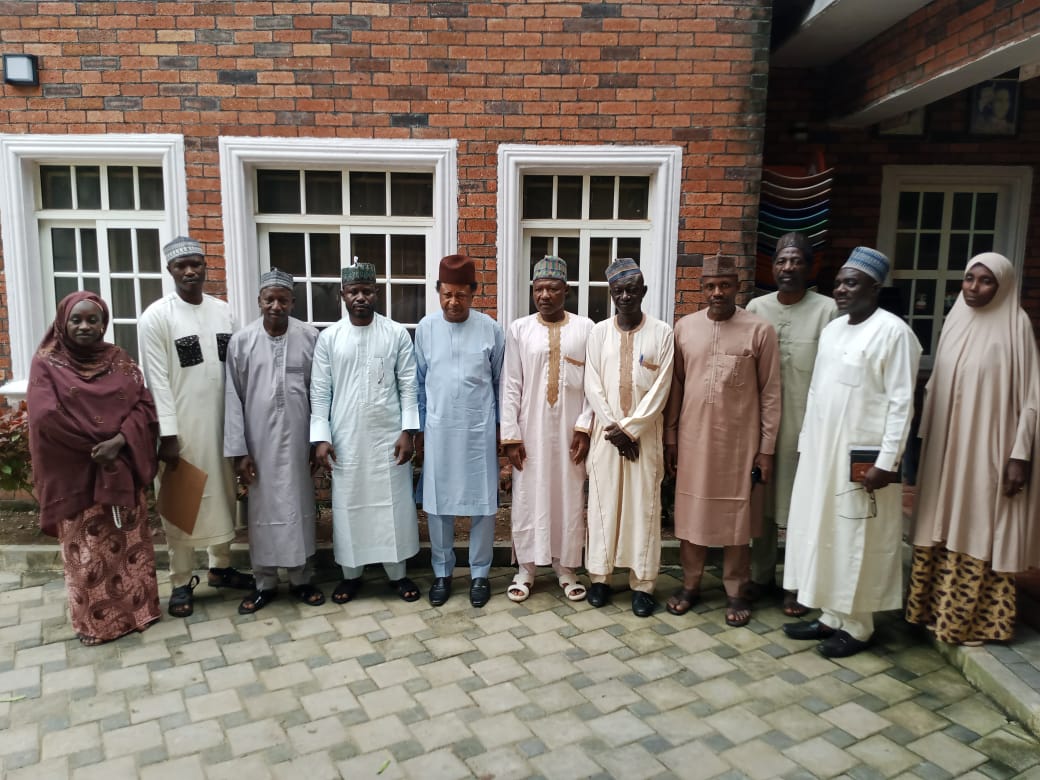
AREWA YOUTHS HAIL ZULUM, REJECT ADEYANJU’S ‘BASELESS’ ATTACK


By Hauwa Ibrahim 

Maiduguri

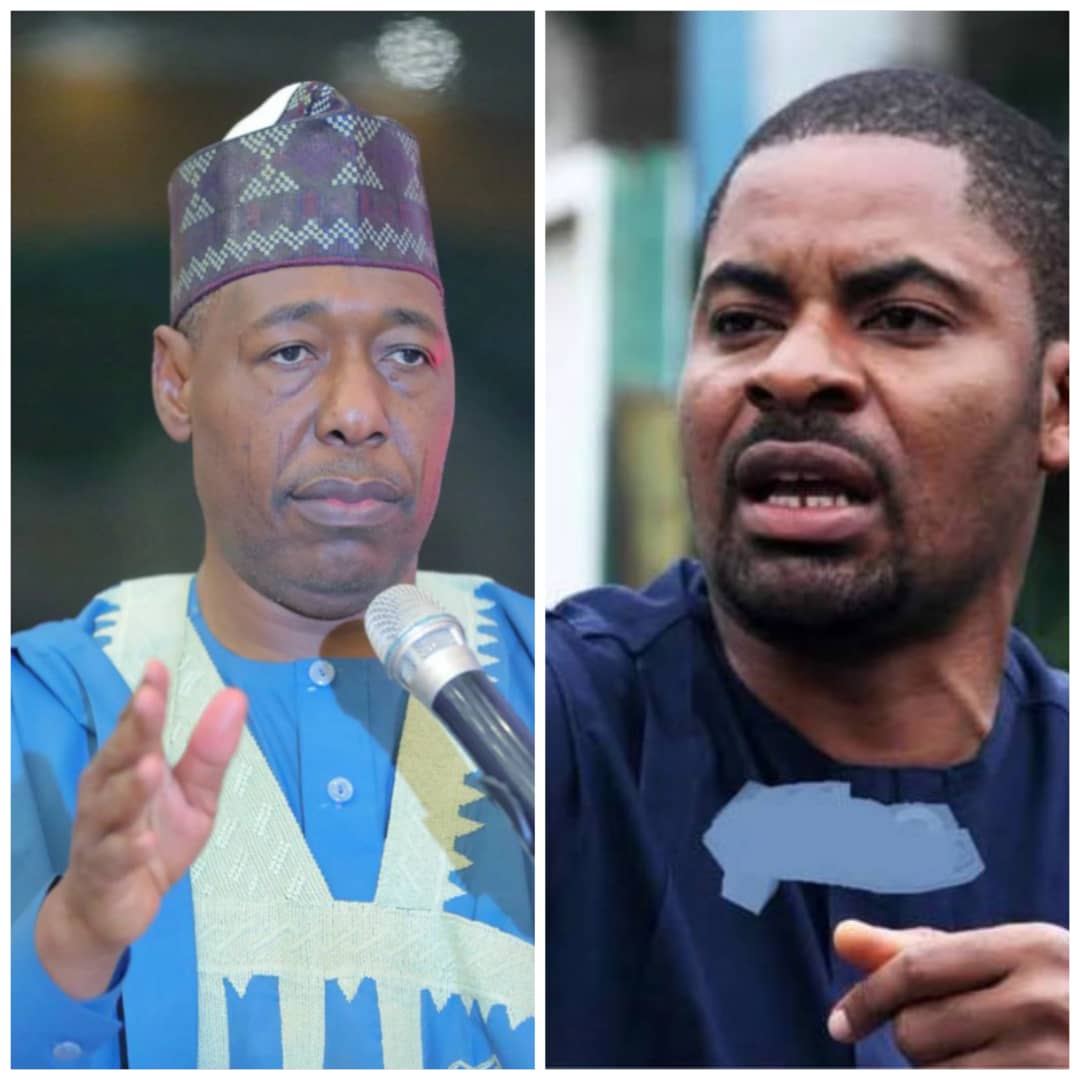
A northern youth group under the umbrella of Arewa Youth for Progress and Development (AYPD) has taken a swipe at Abuja-based political activist, Deji Adeyanju, over his recent criticism of Borno State Governor, Professor Babagana Umara Zulum.

Adeyanju had in a Facebook post accused the governor of deceiving Nigerians at the onset of his administration with “fake propaganda,” describing him as “a complete disaster as governor” and alleging that he has “a love for tyranny and jailing critics.” He further suggested that Zulum might attempt to “repackage himself after 2027 and try to become another Nigerian messiah.”

Reacting in a statement signed by Abubakar made available to journalists in Maiduguri, the AYPD described Adeyanju’s comments as “reckless, baseless, and a direct insult to the people of Borno State.”

“To call a performing governor, widely respected across the North as a symbol of people-centered leadership, a disaster is nothing but the highest form of insult to our people. It is unacceptable and will not be tolerated,” the group declared.

The group highlighted what it described as Zulum’s “unmatched achievements” in governance, citing his efforts in rebuilding communities ravaged by insurgency, expanding access to quality education, healthcare delivery, infrastructural development, and programs targeted at poverty alleviation.

According to AYPD, since assuming office in 2019, Zulum has supervised the construction of schools, hospitals, housing units, and roads across both urban and rural areas of Borno State, often leading from the front by personally monitoring projects and humanitarian interventions.

“Governor Zulum has never fooled anyone or paraded himself as a messiah. We know him as a leader who has deep passion for the emancipation of his people from poverty, insecurity, and underdevelopment. His style of leadership is humility, service, and sacrifice,” the statement noted.

The youths warned Adeyanju against what they called “cheap political blackmail” and issued him a seven-day ultimatum to retract his comments and tender a public apology to Governor Zulum and the people of Borno State.

“Failure to do so will attract massive resistance from northern youths, as we cannot allow baseless attacks on leaders who are genuinely working for the progress of our people,” AYPD warned.

They urged Nigerians to “see through the antics of professional critics” and focus on encouraging leaders who are working under difficult circumstances, particularly in states like Borno that have faced years of insurgency.

Faruk Enabo’s Masterstroke: Behind Kebbi’s Seamless Pilgrimage


By Ihuma Abun

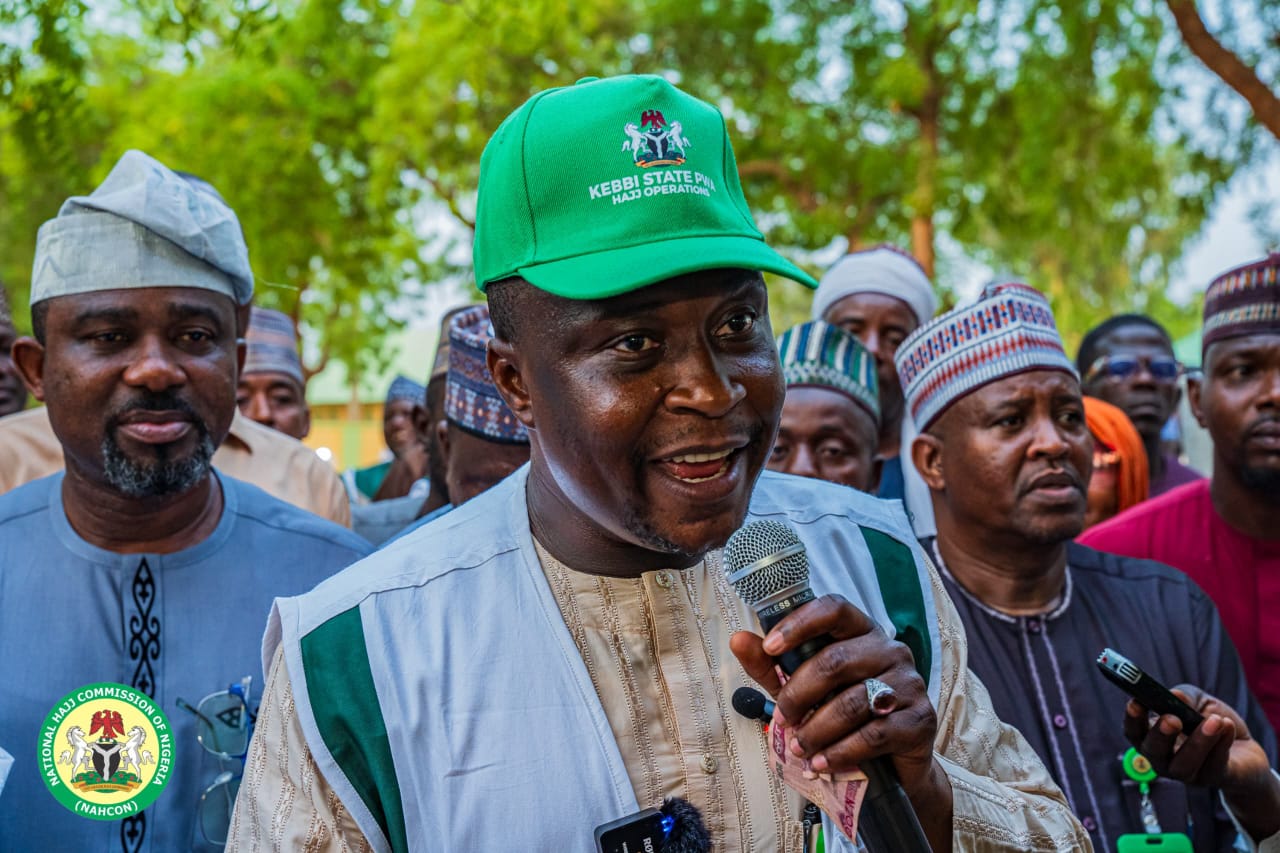
The Northwest Progressives Forum (NPF) has declared Kebbi State a national model in Hajj administration, praising Governor Nasir Idris and Alhaji Faruk Enabo, Chairman of the State Pilgrims Welfare Agency, for their transformative leadership and commitment to pilgrims’ welfare.

Following Kebbi’s exceptional performance during the 2024 and 2025 Hajj exercises—where the state earned eight awards from Saudi authorities—the NPF described the operations as “a masterclass in religious service delivery.” These accolades recognized Kebbi’s outstanding arrangements in areas such as sacrificial animal logistics (Hadaya), feeding, accommodation, transportation, and airport screening.

Leadership Rooted in Empathy and Action

Governor Idris’s personal involvement in the pilgrimage and his financial support to all 3,871 pilgrims in the 2025 Hajj exercise, just as in the previous year, drew admiration from the Forum. Speaking recently, the governor pledged:

> “We will continue to render the needed support to our Pilgrims Welfare Agency and NAHCON in this direction and we will never relent.”


Operational Excellence Under Alhaji Faruk Enabo

Alhaji Faruk Enabo, Chairman of the Pilgrims Welfare Agency, was credited with orchestrating Kebbi’s seamless Hajj logistics. He emphasized that Governor Idris’s unwavering backing was the cornerstone of their success:

> “The unwavering support of Gov. Idris to the agency had culminated not only in the tremendous success of the Hajj operations in the state but the state stood tall amongst its peers.”


NPF’s Endorsement

In its official statement, the Northwest Progressives Forum declared:

> “Kebbi State has set a new benchmark for Hajj administration in Nigeria. Governor Nasir Idris and Alhaji Faruk Enabo have demonstrated that with vision, empathy, and accountability, even the most complex religious operations can be executed with excellence.”


A Blueprint for the Nation

The Forum urged other states to emulate Kebbi’s model, especially in areas of early planning, financial transparency, and direct engagement with pilgrims. With the 2025 Hajj season on the horizon, Kebbi’s example stands as a beacon of what’s possible when leadership meets purpose.

Kyari’s Reforms vs. Probes: OLTRASOL Calls for Balanced Perspective


In a strong show of support, the Oil Industry Transparency Solidarity League (OLTRASOL) has voiced its satisfaction with the sweeping reforms initiated by Malam Mele Kyari, the former Group Chief Executive Officer of the Nigerian National Petroleum Company (NNPC). The group described Kyari’s tenure as “transformational and courageous,” emphasizing that his legacy should not be overshadowed by current probes or political shifts. The group called Kyari’s leadership “a rare blend of courage, vision, and integrity,” urging Nigerians not to forget the strides made under his watch.

OLTRASOL highlighted several landmark achievements under Kyari’s leadership:

Subsidy Reform: Kyari took bold steps to dismantle entrenched subsidy cartels, a move that OLTRASOL says saved Nigeria billions and restored fiscal discipline.

Exploration Expansion: He spearheaded oil exploration in previously untapped regions, signaling a new era of energy diversification.

Pipeline Diplomacy: As the architect of the AKK pipeline and a key facilitator of the Algerian and Moroccan gas pipelines, Kyari positioned Nigeria as a strategic energy supplier to Europe.

NNPC Overhaul: Under his watch, the NNPC underwent a historic transformation aligned with the Petroleum Industry Act, transitioning into a commercially driven entity.

Transparent Recruitment: OLTRASOL praised the merit-based recruitment process introduced during his tenure, calling it “a rare moment of integrity in public sector hiring.”

Fuel Availability: The group credited Kyari with ending the long-standing fuel queues that plagued Nigerian cities, citing improved logistics and supply chain management.

Production Boost: Nigeria’s oil production capacity saw a notable rise, reflecting operational efficiencies and strategic investments.


While acknowledging that Kyari did not succeed in fully reviving Nigeria’s refineries—now under investigation—OLTRASOL urged the public and policymakers to adopt a balanced view. “Leadership is not about perfection; it’s about progress,” the group stated. “Kyari made tough decisions in a tough environment. His efforts deserve recognition, not revisionism.”

OLTRASOL warned against the tendency to vilify public servants post-tenure, especially those who dared to challenge entrenched interests. “We must not allow political winds to erase the strides made. Mele Kyari’s reforms laid the groundwork for a more transparent and accountable oil sector.” Referencing a recent public post by Senator Shehu Sani, OLTRASOL echoed the sentiment that Kyari’s legacy should be preserved:

> “Mele Kyari was never a perfect man, but he did a number of good things that shouldn’t be easily forgotten,” Sani wrote. “He also did something good that is worthy of being appreciated.”


As Nigeria navigates its energy future, OLTRASOL concluded by urging Nigerians to resist the urge to vilify reformers once they leave office.

> “We must not allow political winds to erase the strides made. Mele Kyari’s reforms laid the groundwork for a more transparent and accountable oil sector. History will be kinder than headlines.”

Over 1,200 Students Benefit as Jantabo Pushes Bago’s Agenda


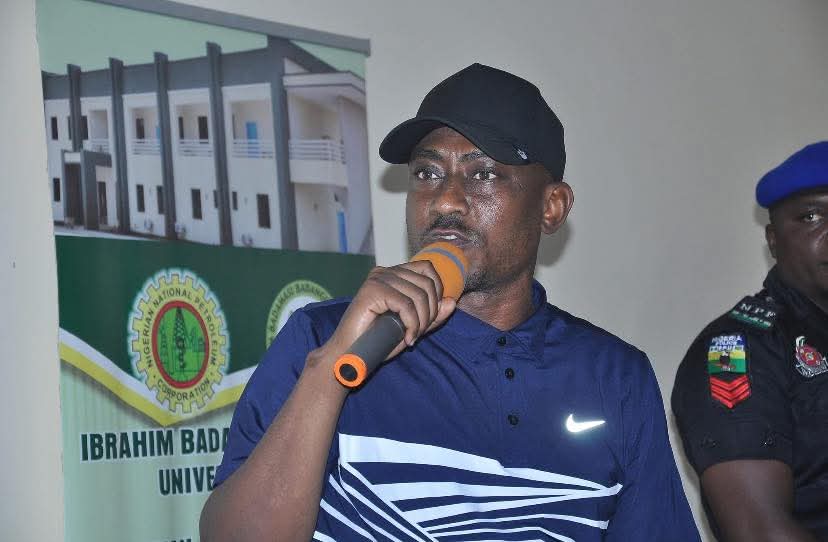
In a significant boost to education under Governor Umaru Mohammed Bago’s development agenda, the Concerned Niger Progressives Network (CNPN) has revealed that over 1,200 students have directly benefited from the bursary initiative of Hon. Mu’azu Hamidu Jantabo, Commissioner for Local Government and Chieftaincy Affairs.

The group, in a statement by its Publicity Secretary Mohammed Yahaya, highlighted this achievement as a cornerstone of Jantabo’s efforts to translate the governor’s blueprint into tangible results for the people of Niger State.

**Direct Support for Education**
The Jantabo Bursary Scheme, designed to alleviate financial burdens and inspire academic excellence, has provided critical support to a vast number of students. The confirmed beneficiaries include:

*   **1,111 students** of Ibrahim Badamasi Babangida University, Lapai (IBBUL).
*   **172 students** from other institutions across the nation.

**Bringing the Total to 1,283 students impacted.**

The initiative has earned widespread praise from student groups. The National Youth Council of Nigeria (NYCN), Lapai Chapter, stated that the gesture “brought immense joy and relief to the students and motivated them to strive for excellence.”

**Beyond Education: A Holistic Approach**
While the educational impact is a major focus, the CNPN also commended Jantabo for his role in advancing other parts of Governor Bago’s agenda, particularly in infrastructure. His work in Lapai Local Government Area aligns with the administration’s 1,000km roads initiative and includes:

*   The completion of the Malle and Graveyard Roads.
*   The ongoing construction of the Bypass Road and Drainage Project.
*   The rehabilitation of essential public service vehicles.

These multifaceted efforts demonstrate a comprehensive approach to development, with the direct benefit to over 1,200 students standing as a key indicator of the agenda’s success in empowering the next generation.

Minister of Defense, Mohammed Badaru Abubakar, suffered a major political setback in the just-concluded Babura/Garki Federal Constituency re-run election, losing both his polling unit and ward to the opposition Peoples Democratic Party (PDP).

Despite being a senior cabinet member under President Bola Tinubu, Badaru failed to deliver for the All Progressives Congress (APC), a development party loyalists described as the collapse of his political relevance in Jigawa.

According to results from Babura, PDP scored 3,432 votes out of 5,099 cast, defeating APC’s 1,567 votes. Independent monitors and APC insiders blamed Badaru’s alleged neglect of party members and growing political distance from the state’s grassroots.

“He has abandoned us for PDP and created unnecessary crises in APC. This defeat is a shame,” said Musa Alaye, a former APC youth mobilizer.

Even the Minister of State for Education, Professor Suwaiba, could not salvage the situation as she also lost her polling unit where PDP polled 184 votes against APC’s 22.

Party sources alleged Badaru boycotted APC campaigns, preferring to stay in Kano while Jigawa supporters struggled without federal support. His absence, they said, created the impression he was secretly backing PDP.

In contrast, Governor Umar Namadi Danmodi was praised for stabilizing the party and leading APC to overall victory in the constituency, securing 38,449 votes against PDP’s 13,519.

Analysts say the by-election exposed deep cracks in APC’s leadership and questioned Badaru’s loyalty to the ruling party. Party insiders are now calling on President Tinubu to reassess his appointees, warning that some may be “political liabilities rather than assets” to the Renewed Hope agenda.

Nigeria’s Mining Sector: A Magnet for Questionable International Operators and Domestic Chaos

By Steven Kefas
stevenkefas@gmail.com

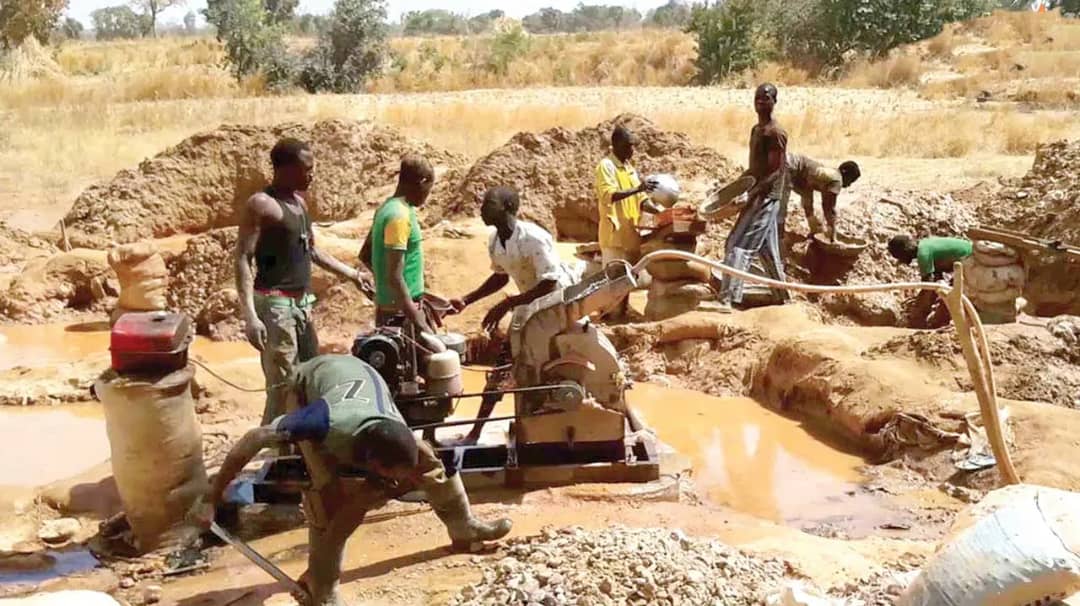
Nigeria sits atop an estimated $750 billion worth of mineral reserves scattered across its 36 states, representing one of Africa’s most promising mining frontiers. With the government’s ambitious drive to diversify the economy beyond oil dependency, the solid minerals sector should be a cornerstone of national prosperity. Instead, it has become a testament to how regulatory negligence, endemic corruption and the dangerous prioritization of foreign investment over due diligence can transform economic opportunity into national crisis.

The story of Colin Ikin perfectly encapsulates Nigeria’s mining predicament. The Australian executive is currently courting officials in Ministry of Solid Minerals Development, Mining Cadastre office,Kaduna and Nasarawa states with promises of $300 million in solid minerals investment and lithium processing facilities. State governments are rolling out red carpets, eager to showcase foreign investment victories.

Yet Ikin’s track record tells a starkly different story – one of spectacular corporate failure that cost investors nearly $750 million, allegations of criminal activity in Zimbabwe, and a pattern of regulatory exploitation across Africa.

What makes the Ikin case particularly troubling is not just his individual history, but what it reveals about Nigeria’s approach to mining sector development. In their desperation for foreign capital, Nigerian authorities have created what critics describe as a “safe haven for foreign criminals” in the mining industry. The consequences extend far beyond economic loss – they have created conditions that directly threaten national security.

A Continental Pattern of Regulatory Capture

Zimbabwe’s former Chairman of mines and energy, Temba Mliswa, has documented similar concerns about foreign operators exploiting weak regulatory frameworks across Africa. “A peculiar case of Colin Ikin, a dodgy mining mogul, has raised my interest. Why does government seem hell-bent on protecting rogue white business people in this country?” Mliswa questioned, highlighting a broader continental challenge that Nigeria has failed to heed.
According to Mliswa’s documentation, Ikin faces serious allegations in Zimbabwe, including criminal activity reported to police, forgery of bank documents, and illegal withdrawal of funds. “This time around he is alleged to have forged bank documents and went ahead to illegally withdraw US$10,000 from an Afrocash Micro NMB account,” Mliswa noted, describing police cases for fraud and forgery of company documents.

The Zimbabwean experience offers stark warnings that Nigeria continues to ignore. As Mliswa observed, “It seems we are intent on becoming a safe haven for foreign criminals,” while “our own people are constantly faced with the rough edges of the law to the point of being second-class citizens.” This regulatory capture – where foreign operators receive protection despite questionable practices – has become the hallmark of Nigeria’s mining sector.
The Mining Cadastre Office: A National Security Threat.

At the heart of Nigeria’s mining crisis lies the Mining Cadastre Office (MCO) at House 37, Lobito Crescent in Abuja. According to mining title holder Biliyaminu Surajo, the MCO has become “a threat to national security due to endemic corruption and professional misconduct.” This is not hyperbole – it is an assessment based on years of observing how regulatory failure creates conditions for both economic exploitation and violent conflict.

The June 19, 2025 stakeholder engagement session revealed the depth of these institutional problems when participants aired a “litany of complaints about the MCO from demanding fees when tenement holders did not have access to their tenements to extended delays in granting titles.” More damaging still is the practice of issuing overlapping titles, creating conflicts that often escalate into community violence.

“The mining cadastre office has the habit of issuing titles over existing valid titles,” explained one industry source. “Community leaders are faced with competing interests with both parties holding title documents from the MCO, each signed by the Director General Simon Nkom.” When communities discover that multiple operators hold certificates of title for the same land, when mining commences without proper consultation, the inevitable result is conflict, says a mining executive who preferred to stay anonymous to avoid persecution.

The corruption appears systematic and commercialized. “There is one officer in the MCO who has supplied more than 50 fake consents, for a fee of course, and the applications were processed successfully,” according to internal sources. The speed of tenement processing has become “proportional to the amount the applicant is willing to pay extra for facilitation.” This isn’t just corruption – it’s the systematic breakdown of regulatory oversight that creates ungoverned spaces, as the executive described it.

The tragedy for Nigeria is that this security crisis was entirely predictable. When regulatory agencies fail to properly monitor mining activities, when titles are issued without adequate community consultation, and when operators are allowed to commence activities without proper security assessments, chaos becomes inevitable. The MCO’s failures have not just facilitated economic exploitation – they have inadvertently become accomplices to national insecurity.

International Embarrassment and Costly Consequences

Nigeria’s mining promotion efforts have become an international embarrassment that compounds the economic and security costs of regulatory failure. At major international mining conventions, Nigerian delegations consistently fail to present viable projects. According to Ibadan-based mining engineer Adams Olawole, the Ministry of Solid Minerals Development and the MCO have “NEVER presented a world class project, mining project, to be exact, in the last 12 years.”
At the recent PDAC 2025 convention in Canada, Nigeria arrived with one of the largest delegations of course but nothing to present. No projects, no investors presentations. “My brother, MSMD/MCO was just there sharing flyers in Canada” says a mining executive present at the event. This contrasts sharply with countries like Ghana and South Africa that bring CEOs of successful operations to share genuine success stories.

The regulatory failures are also generating costly international legal challenges. Jupiter Lithium Ltd’s threatened arbitration against Nigeria through the International Centre for Settlement of Investment Disputes (ICSID) represents the third potential international arbitration case, following disputes with Korea National Oil Corp and Italian oil giant ENI. Each case carries significant financial risks and further damages Nigeria’s reputation as an investment destination.

The Technology Deception

The broken regulatory framework has created opportunities for technological exploitation that compounds Nigeria’s losses. Chinese operators are “building obsolete technologies already being rejected by western countries, because recovery is 50% at most. They dump them in Nigeria and claim they built $200m processing plants.”says Engr Olawole.

This technological deception represents a double theft – Nigeria loses both its mineral resources and the opportunity for genuine technological advancement. While officials celebrate the construction of processing plants, the reality is often substandard equipment that maximizes short-term extraction while providing minimal value addition or technology transfer. The associated environmental damage is a national outcry. “Has anybody even bothered to check how much it costs? No. Or it’s a matter of grease our palms by government officials,” Olawole asked pointedly.

The Path to Recovery

The choice facing Nigerian authorities is stark: continue down a path that has already necessitated mining bans in multiple states due to security concerns, or implement comprehensive reform that addresses the root causes of both economic exploitation and violent conflict.

Reform must begin with the complete restructuring of the MCO. House 37, Lobito Crescent has become synonymous with corruption, unprofessionalism, a totally dysfunctional cadastre system and regulatory failure. The agency needs new leadership, robust oversight mechanisms, and a mandate that prioritizes national security and community welfare over short-term revenue generation.

Due diligence processes must become mandatory and rigorous. Background checks on foreign executives should include criminal record searches, verification of claimed financial resources and assessment of track records in previous operations. The Australian Securities Exchange provides extensive documentation of corporate failures that should inform Nigerian decision-making – there is no excuse for regulatory ignorance.

Countries like Ghana, Botswana, and South Africa have built thriving mining sectors precisely because they maintain these standards. They understand that sustainable mining development requires partners with proven track records, adequate financing, and genuine commitment to responsible operations.
A National Security Imperative
Nigeria’s mineral wealth belongs to its people and future generations. The regulatory failures that have turned mining sites into bandit hideouts in Niger, Taraba, Benue and Zamfara states represent more than policy mistakes – they constitute a betrayal of the national trust. With international arbitration threats mounting, domestic security crises spreading, and the country’s mining reputation in tatters, the window for course correction is rapidly closing.
The reform of Nigeria’s mining sector is not just an economic imperative – it is a national security necessity. The next bandit attack on a mining community should not be required to focus minds in Abuja. The time for comprehensive reform is now, before more states are forced to suspend mining activities to restore peace and before more foreign criminals find safe haven in Nigeria’s broken regulatory system.
₦30m Cash-for-Votes Scandal: DSS Nabs PDP Agent in Kaduna Ahead of Bye-Elections


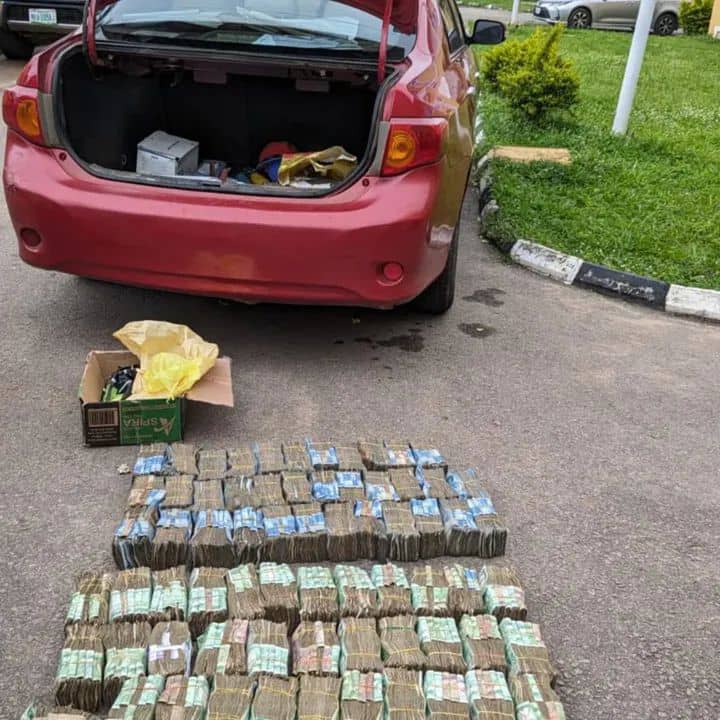
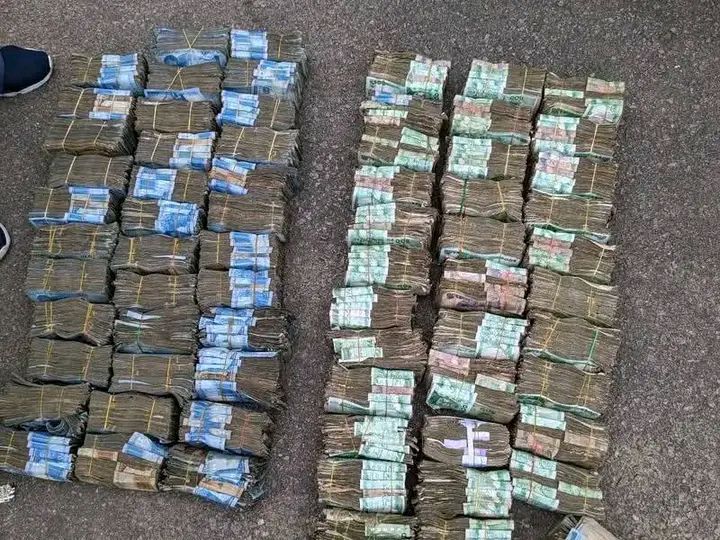
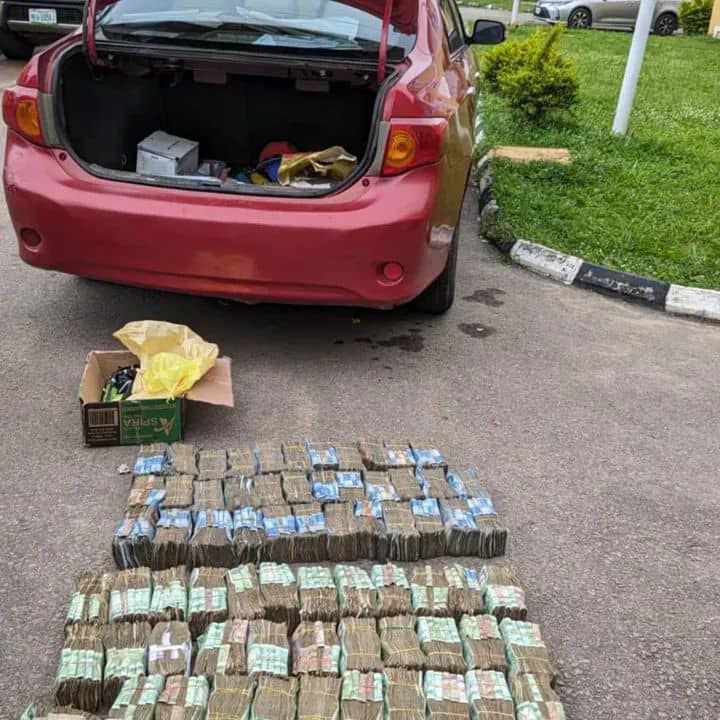
The Department of State Services (DSS) has yesterday night struck a major blow against electoral malpractice in Kaduna, arresting a People’s Democratic Party (PDP) agent, Shehu Fatange, with a staggering ₦30 million in cash allegedly earmarked for vote-buying in today’s bye-elections.

Fatange was apprehended Friday evening at a hotel in Kaduna metropolis, where he was reportedly coordinating the illicit distribution of funds to sway voters in the keenly contested Chikun/Kajuru Federal Constituency poll.

According to impeccable security sources, the suspect was caught red-handed with the cash, which investigators believe was intended to compromise the integrity of the elections and tilt the outcome in favour of his party.

The Kaduna State Police Command confirmed the arrest. Its spokesman, DSP Mansir Hassan, said the suspect was in custody and under investigation, stressing that security agencies were working hand-in-hand to ensure a free, fair and credible election.

The dramatic bust comes amid rising political tension, with rival parties trading accusations of desperate plans to deploy vote-buying and thuggery to manipulate the bye-elections in Chikun/Kajuru, Zaria and Sabon-Gari constituencies.

While details of the sting remain under wraps, the DSS and police assured that investigations are ongoing. They urged voters to remain calm, resist inducements, and troop out peacefully to exercise their franchise today.

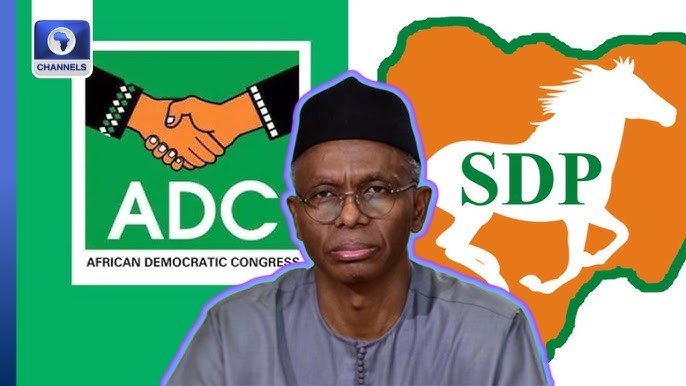
Kaduna Bye-elections: SDP, ADC Disown Alleged Coalition, Label Signatories “Impostors”

The Social Democratic Party (SDP) and the African Democratic Congress (ADC) in Kaduna State have separately distanced themselves from claims of a coalition ahead of the August 16 bye-elections, describing the purported alliance as false and misleading.

In a statement signed by the SDP State Chairman, Hon. Adamu Idris, the party dismissed a publication credited to one Hon. Nasiru Maikano, who allegedly announced a partnership between the two parties.

“The said Hon. Nasiru Maikano is neither the chairman nor a representative of the SDP in Kaduna State. He is not a registered member of the party, and no bonafide member of the SDP can be party to such an unholy statement capable of undermining our party’s prospects,” Idris said.

He stressed that the SDP remains independent in the forthcoming polls, fielding Comrade Johnathan Maikaratu Wushiri as its candidate for the Kajuru/Chikun Federal Constituency bye-election. The party also urged voters in Zaria Kewaye and Basawa State Assembly Constituency to disregard any statements from the alleged impostors.

Idris warned that the actions of those behind the coalition claims violate provisions of the SDP’s 2022 constitution (as amended) and would be reported to relevant party organs and security agencies. He called on members to remain law-abiding and comply strictly with Independent National Electoral Commission (INEC) regulations before, during, and after the elections.

Similarly, the ADC in Kaduna State also denied entering into any alliance with the SDP for the August 16 bye-elections in Kajuru/Chikun Federal Constituency, Zaria Kewaye, and Sabon Gari Constituencies.

FAKE LEADERSHIP ALERT: Middle Belt Forum Slams Impostors Over Kaduna Congress Invitation

By Mike Odeh James

KADUNA

The National Working Committee (NWC) of the Middle Belt Forum (MBF) has issued a scathing condemnation of what it described as a “recalcitrant and illegitimate group” parading itself as the Kaduna State chapter of the MBF under the false chairmanship of one Mr. Samuel Wuya.

In a sharply worded press statement signed by Luka Binniyat, the National Public Relations Officer (PRO) of the MBF, the Forum warned the general public, particularly the ethnic nationalities of the Middle Belt residing in Kaduna State, to steer clear of a purported congress being convened by the fake faction on August 9, 2025, at Merry Gold Hotel, Kaduna.

The event, promoted in a circulated notice signed by one ‘Comrade’ Chance Cletus, has been dismissed by the MBF as a deliberate attempt to sow confusion and hijack the Forum’s legitimate structures.

“The attention of the National Working Committee (NWC) of the Middle Belt Forum (MBF) has once again been drawn to the activities of a recalcitrant group… Unfortunately, our genuine interventions have been met with arrogance, disregard, and outright contempt,” the statement reads.

Reaffirming its leadership structure in Kaduna State, the MBF declared that Air Commodore John Bako Ajeye (Rtd.) remains the only duly elected and recognised chairman of the MBF Kaduna State Chapter, having emerged through a valid congress convened by authorised NWC officials on June 22, 2025, at BSS Suites, Barnawa, Kaduna.

Mr. John Haruna was also reaffirmed as the chapter’s legitimate secretary, alongside other chapter officers endorsed by the national leadership.

In a move that signals the gravity of the situation, the MBF has officially called on the Director of the Department of State Services (DSS), Kaduna Command and the Commissioner of Police, Kaduna State to investigate and halt the actions of what it described as a “potential threat to public peace” posed by the impostor group.

“This impostor exco led by Mr. Wuya is not only illegal but dangerous. Their activities are disruptive and undermine the integrity of the MBF’s genuine efforts to unify and protect the interests of the Middle Belt peoples,” Binniyat warned.

He urged members of the MBF across Kaduna State to remain calm and vigilant, noting that the Forum has full confidence in the ability of security agencies to “decisively address this act of mischief and bring it to a logical conclusion.”

This public repudiation comes amid broader concerns over the infiltration and sabotage of sociopolitical platforms in Nigeria’s Middle Belt, where regional identity and representation remain fiercely contested.

With this bold move, the MBF has drawn a clear line between legitimate advocacy and counterfeit operations, warning that it will not tolerate impostors attempting to derail its mission or confuse its loyal membership.

North’s Problem Is Not Tinubu, But Leaders Who Wasted Power — Shehu Sani

Former Senator representing Kaduna Central, Shehu Sani, has said that the root cause of Northern Nigeria’s persistent underdevelopment lies not with President Bola Ahmed Tinubu, but with past Northern leaders who failed to use their time in power to transform the region.

Speaking when members of the Tijjaniyya Grassroots Mobilization and Empowerment Initiative of Nigeria (TIGMEIN) paid him a courtesy visit at his Kaduna residence, Senator Sani said the North gained little during the eight-year administration of former President Muhammadu Buhari, despite widespread expectations.

“We had Buhari in power for eight years, but the North remained backward and impoverished. Industries like KTL, UNTL, Nortex, Arewa Textiles, and others were abandoned. Our leaders lacked vision and pursued development only for their families,” he said.

The former lawmaker lamented the dashed hopes of many northerners who believed that electing “one of their own” in 2015 would bring significant improvements. Instead, he said, the region continues to suffer from poverty, insecurity, unemployment, and decaying infrastructure.

According to Sani, it is both deceptive and unjust to blame President Tinubu, who has only been in office for two years, for problems that were long in the making.

“The North’s problems didn’t begin two years ago when Tinubu took over. They stem from selfish power struggles and missed opportunities. Former leaders had the chance to fix education, healthcare, and security, but they failed,” he said.

He accused some of the past Northern leaders of looting public resources, abandoning critical projects, and neglecting to represent the true interests of the region in national development efforts.

“Today, they want to deceive you that Tinubu is your problem. But ask yourself — did these bad hospitals, failed roads, insecurity, and poverty start just 24 months ago? These leaders were in power and failed to act. Some even stopped attending Arewa meetings,” Sani noted.

He also cited neglected infrastructure projects like the Kaduna–Abuja road, Minna–Abuja road, Lokoja–Abuja expressway, Ajaokuta Steel Company, and the Mambilla Power Project as clear indicators of leadership failure.

In a final message, Senator Sani urged the people of the North to resist propaganda aimed at recycling failed politicians, warning that returning them to power would yield no meaningful change.

“No matter how bad things may seem now, know this — your brothers from the North failed you. And if they return to power, nothing will change. The problem is not Tinubu — it is our selfish Northern leaders who had power and wasted it,” he concluded.

Sani, however, commended TIGMEIN for its grassroots empowerment drive, particularly its efforts to equip women and youths with skills for self-reliance and employment, describing it as a critical step towards reducing poverty and promoting peace in the region.