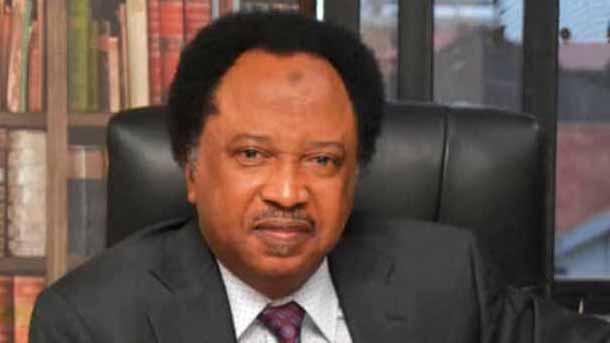
Former Senator representing Kaduna Central, Senator Shehu Sani, has defended the presentation made by the Chairman of the Nigeria Revenue Service (NRS), Zacch Adedeji, during a recent television interview, arguing that the media focus on a comment about President Bola Ahmed Tinubu eating once a day and walking to his office overshadowed critical issues concerning Nigeria’s tax reforms.
Sani, in a post on his official X account, said the NRS Chairman made important submissions on tax laws, reforms, implementation and processes during the interview, which, in his view, deserved serious public debate and scrutiny.
According to him, rather than interrogating the substantive issues raised by the revenue chief, sections of the media concentrated on the controversial comment about the President’s personal routine.
“During the Channels interview granted by the NRS Chairman Adedeji, he made important points and statements concerning the Tax laws, reforms, implementation and processes that should have been debated or probed,” Sani wrote.
He added that the media’s emphasis on the statement that the President eats once a day and walks to his office ultimately reduced a serious discussion on taxation and public finance to a subject of public amusement.
“The media chose to emphasise on ‘the President eating once in a day and walking to his office’. That was how a serious issue was rubbished,” the former senator said.
Sani’s intervention comes amid continuing public discussion over Nigeria’s tax reform agenda, including questions surrounding the implementation of new tax laws, revenue mobilisation, compliance, institutional responsibilities and the impact of taxation on individuals and businesses.
The former lawmaker’s position suggests that public discourse on the country’s tax system should move beyond sensational statements and focus more closely on the policies and mechanisms being introduced to improve revenue collection and strengthen Nigeria’s fiscal system.
Taxation has remained a major issue in Nigeria’s economic debate as governments at the federal and state levels seek to increase internally generated revenue, reduce dependence on borrowing and oil-related receipts, broaden the tax base and improve compliance.
For Sani, the interview by the NRS chairman presented an opportunity for journalists, policymakers and citizens to interrogate the details of the government’s tax reforms and their implications for the Nigerian economy.
His comments also highlight concerns about the role of the media in shaping public understanding of complex policy matters, particularly when substantive economic discussions compete with politically or personally sensitive statements that attract greater public attention.
Rather than allowing the President’s reported personal routine to dominate the conversation, Sani argued that the focus should have remained on the tax laws, reform measures and implementation processes outlined by the NRS chairman.
The former senator maintained that such issues require sustained public scrutiny because taxation directly affects citizens, businesses, investors and government finances.
He therefore appeared to call for a more substantive approach to reporting economic policies, urging the public and the media to interrogate the content and consequences of government reforms rather than allowing a single controversial remark to eclipse the broader policy discussion.

 News Facts Daily