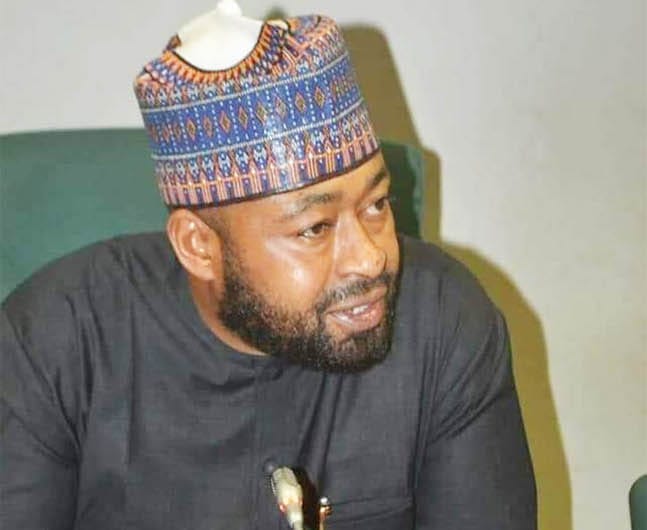
Zamfara and the Dilemma of a Nagging Governor

By Suleiman Abbah

In today’s world, safety and security are paramount concerns for communities at all levels. Governments play a crucial role in ensuring the protection of their citizens, but often need to rely on grassroots participation to effectively address the diverse and ever-evolving security challenges faced by communities.

The security situation in Zamfara is currently at a critical crossroads, with Governor Dauda Lawal Dare seemingly at odds over how to address the ongoing challenges. Since assuming office, Governor Lawal has consistently failed to go beyond lamentations and cooperate with Nigerian federal security agencies, preferring to engage in perpetual complain, blame games, and finger-pointing instead of actively seeking solutions to combat the terrorist activities plaguing Zamfara state.

Governor Lawal’s approach to security issues in Zamfara calls into question his leadership abilities and commitment to the safety and well-being of the citizens of the state. Rather than working collaboratively with security agencies to develop effective strategies to combat terrorism, he has chosen to engage in political posturing and shifting the blame onto others.

The lack of proactive measures and decisive action on the part of Governor Lawal has only served to exacerbate the security challenges facing Zamfara. His failure to take responsibility and provide strong leadership in the face of these threats has left the people of Zamfara feeling vulnerable and abandoned.

His attitude has significantly hindered the military’s counter-terrorism efforts, putting the lives and safety of citizens at risk not only in Zamfara but also in neighboring states. While other governors in affected states are actively supporting the nation’s troops and implementing initiatives to combat insecurity, Governor Lawal appears more focused on blaming his predecessor, Bello Mohammed Matawalle, and criticizing the federal government.

Lawal’s constant complaints against the presidency and federal security agencies have diverted attention from pressing security and governance issues in the state. His remarks are often riddled with inaccuracies and a blatant disregard for the truth, further exacerbating the security challenges in Zamfara.

In just one year, Governor Lawal has earned a reputation for leading the worst administration in Zamfara’s history, lacking the necessary courage and political will to confront the state’s security crisis. Despite claiming concern for the challenges facing Zamfara citizens, Lawal has failed to take concrete steps to address youth unemployment, insecurity, and poverty in the state.

Zamfara is currently led by a governor ill-prepared and ill-equipped to lead, driven by personal ambition for power and wealth rather than a genuine commitment to improving the lives of its people. As a result, Zamfara citizens continue to suffer from rampant armed crime, extreme poverty, and a lack of support from their government.

It appears that till the end of his tenure, Lawal cannot rise to the occasion and demonstrate true leadership in addressing the security challenges facing Zamfara. He cannot move beyond mere words and take concrete actions to ensure the safety and security of all residents of the state. This failure has only further escalate the security crisis and put more lives at risk. Only through genuine leadership and a commitment to the welfare of its people can Zamfara overcome its current security crisis and emerge stronger and more resilient in the face of adversity.

This is evident in the comparison between Defence Minister Bello Matawalle and Governor Lawal, two figures in Zanfara State politics. While Matawalle has established himself as a seasoned politician with a profound insight into the needs and concerns of the local communities, Governor Lawal, a relative newcomer to the political arena, seems to lack the same level of understanding and connection to people in the state.

Lawal’s predecessor, Matawalle, now serving as a federal Minister of State for Defence, has been hailed for his innovative approach to engaging local communities in finding solutions to the state’s security issues. His deep understanding of the grassroots dynamics and culture of the state has earned him the moniker of a ‘grassroots innovator’.

Matawalle’s approach, which incorporates a bottom-up feedback loop and involves stakeholders at the local level, has proven to be effective in identifying and addressing the specific security and safety needs of communities in Zamfara. By combining local knowledge with government resources, Matawalle has been able to implement innovative security strategies that are responsive to the ever-changing political and environmental landscape of the state.

Matawalle has recognized the vital role that grassroots play in enhancing community safety and security. He understands that the affected communities are naturally and legitimately the first responders to crises and are best positioned to identify the most pressing security issues facing their communities.

 By partnering with the grassroots, Matawalle has gained valuable insights into the local context and ensured that their interventions are truly responsive to community needs.

One key advantage of working with the grassroots as Matawalle has shown, is the ability to establish community ownership over security. When communities are actively involved in the design and implementation of security solutions, they are more likely to embrace and sustain these initiatives in the long run. Additionally, grassroots serve as bridges between government forces and the communities on the ground, providing valuable feedback and ensuring that interventions are tailored to local realities.

Matawalle believes that innovation in security does not always have to be synonymous with the use of force; it can also involve improving processes or policies to better meet the security needs of communities.

 The key to Matawalle’s successful security innovation lies in building trust, fostering resilience, and maintaining open lines of communication between all stakeholders involved. By supporting grassroots organizations and empowering local communities, Matawalle aims to ensure that their solutions are truly impactful and sustainable in the long term.

In contrast, Governor Lawal, a relatively new player in the political arena, appears to lack the same level of insight and connection to the local communities that Matawalle possesses. This has led to a disconnect between grassroots participation in security matters in areas of information sharing and government policies, hindering progress in addressing the security situation.

Matawalle’s experience and long-standing presence in the political scene have allowed him to build strong relationships with the local communities in his state. 

This connection has enabled him to effectively gauge the security challenges faced by the people and tailor his policies accordingly. His approach to security matters has been characterized by a high level of grassroots participation, with communities actively engaged in information sharing and the formulation of government initiatives.

 As a result, progress has been made in addressing the security situation in the state.

On the other hand, Governor Lawal’s lack of political experience and connection to the local communities has hindered his ability to effectively address security challenges in his state. His disconnect from the grassroots has resulted in a lack of community participation in security matters, leading to gaps in information sharing and ineffective government policies. This has ultimately hindered progress in addressing the security situation in the state, as the government is unable to adequately respond to the needs and concerns of the people.

Matawalle’s deep insight and connection to the local communities have played a significant role in addressing security challenges in Zamfara state. In contrast, Governor Lawal’s lack of experience and disconnect from the grassroots have impeded progress in addressing security issues. 

Matawalle’s approach in partnering with these organizations demonstrates the importance of involving communities in the security decision-making process. By empowering grassroots organizations and fostering community ownership over security initiatives, governments can enhance their ability to address security challenges effectively and sustainably. 

The collaboration between grassroots organizations and government entities such as Matawalle’s innovative approach to security highlights the importance of local engagement in addressing complex challenges. By leveraging local knowledge, building community ownership, and fostering partnerships between different stakeholders, innovators can create meaningful change that is truly responsive to the needs of the people they serve. 

It is evident that a strong connection to the local communities is essential in effective governance, particularly in addressing security matters. As such, it is imperative for Governor Lawal to prioritize building relationships with his constituents in order to address pressing security issues and promote sustainable development. Ultimately, the success of safety and security initiatives relies on the active involvement and support of grassroots organizations, as they are essential partners in creating safe and secure communities.

Zamfara and the Dilemma of a Nagging Governor

By Suleiman Abbah

In today’s world, safety and security are paramount concerns for communities at all levels. Governments play a crucial role in ensuring the protection of their citizens, but often need to rely on grassroots participation to effectively address the diverse and ever-evolving security challenges faced by communities.

The security situation in Zamfara is currently at a critical crossroads, with Governor Dauda Lawal Dare seemingly at odds over how to address the ongoing challenges. Since assuming office, Governor Lawal has consistently failed to go beyond lamentations and cooperate with Nigerian federal security agencies, preferring to engage in perpetual complain, blame games, and finger-pointing instead of actively seeking solutions to combat the terrorist activities plaguing Zamfara state.

Governor Lawal’s approach to security issues in Zamfara calls into question his leadership abilities and commitment to the safety and well-being of the citizens of the state. Rather than working collaboratively with security agencies to develop effective strategies to combat terrorism, he has chosen to engage in political posturing and shifting the blame onto others.

The lack of proactive measures and decisive action on the part of Governor Lawal has only served to exacerbate the security challenges facing Zamfara. His failure to take responsibility and provide strong leadership in the face of these threats has left the people of Zamfara feeling vulnerable and abandoned.

His attitude has significantly hindered the military’s counter-terrorism efforts, putting the lives and safety of citizens at risk not only in Zamfara but also in neighboring states. While other governors in affected states are actively supporting the nation’s troops and implementing initiatives to combat insecurity, Governor Lawal appears more focused on blaming his predecessor, Bello Mohammed Matawalle, and criticizing the federal government.

Lawal’s constant complaints against the presidency and federal security agencies have diverted attention from pressing security and governance issues in the state. His remarks are often riddled with inaccuracies and a blatant disregard for the truth, further exacerbating the security challenges in Zamfara.

In just one year, Governor Lawal has earned a reputation for leading the worst administration in Zamfara’s history, lacking the necessary courage and political will to confront the state’s security crisis. Despite claiming concern for the challenges facing Zamfara citizens, Lawal has failed to take concrete steps to address youth unemployment, insecurity, and poverty in the state.

Zamfara is currently led by a governor ill-prepared and ill-equipped to lead, driven by personal ambition for power and wealth rather than a genuine commitment to improving the lives of its people. As a result, Zamfara citizens continue to suffer from rampant armed crime, extreme poverty, and a lack of support from their government.

It appears that till the end of his tenure, Lawal cannot rise to the occasion and demonstrate true leadership in addressing the security challenges facing Zamfara. He cannot move beyond mere words and take concrete actions to ensure the safety and security of all residents of the state. This failure has only further escalate the security crisis and put more lives at risk. Only through genuine leadership and a commitment to the welfare of its people can Zamfara overcome its current security crisis and emerge stronger and more resilient in the face of adversity.

This is evident in the comparison between Defence Minister Bello Matawalle and Governor Lawal, two figures in Zanfara State politics. While Matawalle has established himself as a seasoned politician with a profound insight into the needs and concerns of the local communities, Governor Lawal, a relative newcomer to the political arena, seems to lack the same level of understanding and connection to people in the state.

Lawal’s predecessor, Matawalle, now serving as a federal Minister of State for Defence, has been hailed for his innovative approach to engaging local communities in finding solutions to the state’s security issues. His deep understanding of the grassroots dynamics and culture of the state has earned him the moniker of a ‘grassroots innovator’.

Matawalle’s approach, which incorporates a bottom-up feedback loop and involves stakeholders at the local level, has proven to be effective in identifying and addressing the specific security and safety needs of communities in Zamfara. By combining local knowledge with government resources, Matawalle has been able to implement innovative security strategies that are responsive to the ever-changing political and environmental landscape of the state.

Matawalle has recognized the vital role that grassroots play in enhancing community safety and security. He understands that the affected communities are naturally and legitimately the first responders to crises and are best positioned to identify the most pressing security issues facing their communities.

 By partnering with the grassroots, Matawalle has gained valuable insights into the local context and ensured that their interventions are truly responsive to community needs.

One key advantage of working with the grassroots as Matawalle has shown, is the ability to establish community ownership over security. When communities are actively involved in the design and implementation of security solutions, they are more likely to embrace and sustain these initiatives in the long run. Additionally, grassroots serve as bridges between government forces and the communities on the ground, providing valuable feedback and ensuring that interventions are tailored to local realities.

Matawalle believes that innovation in security does not always have to be synonymous with the use of force; it can also involve improving processes or policies to better meet the security needs of communities.

 The key to Matawalle’s successful security innovation lies in building trust, fostering resilience, and maintaining open lines of communication between all stakeholders involved. By supporting grassroots organizations and empowering local communities, Matawalle aims to ensure that their solutions are truly impactful and sustainable in the long term.

In contrast, Governor Lawal, a relatively new player in the political arena, appears to lack the same level of insight and connection to the local communities that Matawalle possesses. This has led to a disconnect between grassroots participation in security matters in areas of information sharing and government policies, hindering progress in addressing the security situation.

Matawalle’s experience and long-standing presence in the political scene have allowed him to build strong relationships with the local communities in his state. 

This connection has enabled him to effectively gauge the security challenges faced by the people and tailor his policies accordingly. His approach to security matters has been characterized by a high level of grassroots participation, with communities actively engaged in information sharing and the formulation of government initiatives.

 As a result, progress has been made in addressing the security situation in the state.

On the other hand, Governor Lawal’s lack of political experience and connection to the local communities has hindered his ability to effectively address security challenges in his state. His disconnect from the grassroots has resulted in a lack of community participation in security matters, leading to gaps in information sharing and ineffective government policies. This has ultimately hindered progress in addressing the security situation in the state, as the government is unable to adequately respond to the needs and concerns of the people.

Matawalle’s deep insight and connection to the local communities have played a significant role in addressing security challenges in Zamfara state. In contrast, Governor Lawal’s lack of experience and disconnect from the grassroots have impeded progress in addressing security issues. 

Matawalle’s approach in partnering with these organizations demonstrates the importance of involving communities in the security decision-making process. By empowering grassroots organizations and fostering community ownership over security initiatives, governments can enhance their ability to address security challenges effectively and sustainably. 

The collaboration between grassroots organizations and government entities such as Matawalle’s innovative approach to security highlights the importance of local engagement in addressing complex challenges. By leveraging local knowledge, building community ownership, and fostering partnerships between different stakeholders, innovators can create meaningful change that is truly responsive to the needs of the people they serve. 

It is evident that a strong connection to the local communities is essential in effective governance, particularly in addressing security matters. As such, it is imperative for Governor Lawal to prioritize building relationships with his constituents in order to address pressing security issues and promote sustainable development. Ultimately, the success of safety and security initiatives relies on the active involvement and support of grassroots organizations, as they are essential partners in creating safe and secure communities.

Zamfara and the Dilemma of a Nagging Governor

By Suleiman Abbah

In today’s world, safety and security are paramount concerns for communities at all levels. Governments play a crucial role in ensuring the protection of their citizens, but often need to rely on grassroots participation to effectively address the diverse and ever-evolving security challenges faced by communities.

The security situation in Zamfara is currently at a critical crossroads, with Governor Dauda Lawal Dare seemingly at odds over how to address the ongoing challenges. Since assuming office, Governor Lawal has consistently failed to go beyond lamentations and cooperate with Nigerian federal security agencies, preferring to engage in perpetual complain, blame games, and finger-pointing instead of actively seeking solutions to combat the terrorist activities plaguing Zamfara state.

Governor Lawal’s approach to security issues in Zamfara calls into question his leadership abilities and commitment to the safety and well-being of the citizens of the state. Rather than working collaboratively with security agencies to develop effective strategies to combat terrorism, he has chosen to engage in political posturing and shifting the blame onto others.

The lack of proactive measures and decisive action on the part of Governor Lawal has only served to exacerbate the security challenges facing Zamfara. His failure to take responsibility and provide strong leadership in the face of these threats has left the people of Zamfara feeling vulnerable and abandoned.

His attitude has significantly hindered the military’s counter-terrorism efforts, putting the lives and safety of citizens at risk not only in Zamfara but also in neighboring states. While other governors in affected states are actively supporting the nation’s troops and implementing initiatives to combat insecurity, Governor Lawal appears more focused on blaming his predecessor, Bello Mohammed Matawalle, and criticizing the federal government.

Lawal’s constant complaints against the presidency and federal security agencies have diverted attention from pressing security and governance issues in the state. His remarks are often riddled with inaccuracies and a blatant disregard for the truth, further exacerbating the security challenges in Zamfara.

In just one year, Governor Lawal has earned a reputation for leading the worst administration in Zamfara’s history, lacking the necessary courage and political will to confront the state’s security crisis. Despite claiming concern for the challenges facing Zamfara citizens, Lawal has failed to take concrete steps to address youth unemployment, insecurity, and poverty in the state.

Zamfara is currently led by a governor ill-prepared and ill-equipped to lead, driven by personal ambition for power and wealth rather than a genuine commitment to improving the lives of its people. As a result, Zamfara citizens continue to suffer from rampant armed crime, extreme poverty, and a lack of support from their government.

It appears that till the end of his tenure, Lawal cannot rise to the occasion and demonstrate true leadership in addressing the security challenges facing Zamfara. He cannot move beyond mere words and take concrete actions to ensure the safety and security of all residents of the state. This failure has only further escalate the security crisis and put more lives at risk. Only through genuine leadership and a commitment to the welfare of its people can Zamfara overcome its current security crisis and emerge stronger and more resilient in the face of adversity.

This is evident in the comparison between Defence Minister Bello Matawalle and Governor Lawal, two figures in Zanfara State politics. While Matawalle has established himself as a seasoned politician with a profound insight into the needs and concerns of the local communities, Governor Lawal, a relative newcomer to the political arena, seems to lack the same level of understanding and connection to people in the state.

Lawal’s predecessor, Matawalle, now serving as a federal Minister of State for Defence, has been hailed for his innovative approach to engaging local communities in finding solutions to the state’s security issues. His deep understanding of the grassroots dynamics and culture of the state has earned him the moniker of a ‘grassroots innovator’.

Matawalle’s approach, which incorporates a bottom-up feedback loop and involves stakeholders at the local level, has proven to be effective in identifying and addressing the specific security and safety needs of communities in Zamfara. By combining local knowledge with government resources, Matawalle has been able to implement innovative security strategies that are responsive to the ever-changing political and environmental landscape of the state.

Matawalle has recognized the vital role that grassroots play in enhancing community safety and security. He understands that the affected communities are naturally and legitimately the first responders to crises and are best positioned to identify the most pressing security issues facing their communities.

 By partnering with the grassroots, Matawalle has gained valuable insights into the local context and ensured that their interventions are truly responsive to community needs.

One key advantage of working with the grassroots as Matawalle has shown, is the ability to establish community ownership over security. When communities are actively involved in the design and implementation of security solutions, they are more likely to embrace and sustain these initiatives in the long run. Additionally, grassroots serve as bridges between government forces and the communities on the ground, providing valuable feedback and ensuring that interventions are tailored to local realities.

Matawalle believes that innovation in security does not always have to be synonymous with the use of force; it can also involve improving processes or policies to better meet the security needs of communities.

 The key to Matawalle’s successful security innovation lies in building trust, fostering resilience, and maintaining open lines of communication between all stakeholders involved. By supporting grassroots organizations and empowering local communities, Matawalle aims to ensure that their solutions are truly impactful and sustainable in the long term.

In contrast, Governor Lawal, a relatively new player in the political arena, appears to lack the same level of insight and connection to the local communities that Matawalle possesses. This has led to a disconnect between grassroots participation in security matters in areas of information sharing and government policies, hindering progress in addressing the security situation.

Matawalle’s experience and long-standing presence in the political scene have allowed him to build strong relationships with the local communities in his state. 

This connection has enabled him to effectively gauge the security challenges faced by the people and tailor his policies accordingly. His approach to security matters has been characterized by a high level of grassroots participation, with communities actively engaged in information sharing and the formulation of government initiatives.

 As a result, progress has been made in addressing the security situation in the state.

On the other hand, Governor Lawal’s lack of political experience and connection to the local communities has hindered his ability to effectively address security challenges in his state. His disconnect from the grassroots has resulted in a lack of community participation in security matters, leading to gaps in information sharing and ineffective government policies. This has ultimately hindered progress in addressing the security situation in the state, as the government is unable to adequately respond to the needs and concerns of the people.

Matawalle’s deep insight and connection to the local communities have played a significant role in addressing security challenges in Zamfara state. In contrast, Governor Lawal’s lack of experience and disconnect from the grassroots have impeded progress in addressing security issues. 

Matawalle’s approach in partnering with these organizations demonstrates the importance of involving communities in the security decision-making process. By empowering grassroots organizations and fostering community ownership over security initiatives, governments can enhance their ability to address security challenges effectively and sustainably. 

The collaboration between grassroots organizations and government entities such as Matawalle’s innovative approach to security highlights the importance of local engagement in addressing complex challenges. By leveraging local knowledge, building community ownership, and fostering partnerships between different stakeholders, innovators can create meaningful change that is truly responsive to the needs of the people they serve. 

It is evident that a strong connection to the local communities is essential in effective governance, particularly in addressing security matters. As such, it is imperative for Governor Lawal to prioritize building relationships with his constituents in order to address pressing security issues and promote sustainable development. Ultimately, the success of safety and security initiatives relies on the active involvement and support of grassroots organizations, as they are essential partners in creating safe and secure communities.

Zamfara Security: A Tale of Two Leaders – Matawalle vs. Lawal

By Suleiman Abbah 

In today’s world, safety and security are paramount concerns for communities at all levels. Governments play a crucial role in ensuring the protection of their citizens, but often need to rely on grassroots participation to effectively address the diverse and ever-evolving security challenges faced by communities. This is evident in the comparison between Defence Minister Bello Matawalle and Governor Lawal, two figures in Zamfara State politics.

Matawalle has established himself as a seasoned politician with a profound insight into the needs and concerns of the local communities, while Governor Lawal, a relative newcomer to the political arena, seems to lack the same level of understanding and connection to people in the state.

Matawalle’s approach to security incorporates a bottom-up feedback loop, involving stakeholders at the local level, and has proven effective in identifying and addressing specific security needs. By combining local knowledge with government resources, Matawalle has implemented innovative security strategies responsive to the state’s changing landscape.

In contrast, Governor Lawal’s lack of political experience and connection to local communities has hindered progress in addressing security challenges. His disconnect from the grassroots has resulted in a lack of community participation, leading to gaps in information sharing and ineffective government policies.

Matawalle’s experience and connection to local communities have allowed him to build strong relationships and effectively address security challenges. His approach demonstrates the importance of involving communities in security decision-making, empowering grassroots organizations, and fostering community ownership.

The collaboration between grassroots organizations and government entities highlights the importance of local engagement in addressing complex challenges. Building community ownership and fostering partnerships is essential for creating meaningful change responsive to the needs of the people.

A strong connection to local communities is essential in effective governance, particularly in addressing security matters. Governor Lawal must prioritize building relationships with his constituents to address pressing security issues and promote sustainable development. The success of safety and security initiatives relies on grassroots involvement, making them essential partners in creating safe and secure communities.

2027: National Youth Alliance Appoints Comrade  Anslem As Director  Research, Strategy, Planning, Spokesman

The National Youth Alliance (NYA) has announced the appointment of Comrade Eragbe Anslem as its new Director of Research, Strategy and Planning, and Spokesman.

According to a statement by the Special Adviser on Media and Publicity to the National Chairman/Youth President, Okpani Jacob Onjewu Dickson to newsmen in Kaduna, this development is aimed at strengthening the NYA’s strategic direction and enhancing its communication efforts.

Comrade Eragbe Anslem, a seasoned youth leader and strategist, brings a wealth of experience to his new role.

He is the immediate past National Youth Leader of the Labour Party, and the Labour Party’s Senatorial candidate for Edo North in the 2023 elections.

He is also a former Student Union President of the prestigious Ahmadu Bello University (ABU).

With his impressive track record and expertise, Comrade Anslem is tasked with leading the NYA’s research and strategy initiatives, as well as serving as the organization’s official spokesman.

The NYA, a youth-driven political movement, is committed to empowering young Nigerians and promoting their active participation in the country’s political and economic development.

This appointment is seen as a significant milestone in the NYA’s efforts to reposition itself as a formidable force in Nigeria’s political landscape.

Governor Lawal: The Absentee Leader: NAN Exposes Zamfara Governor’s Neglect of State’s Security Crisis

The Northern Awareness Network (NAN) has formally responded to recent comments made by Zamfara State Governor Dauda Lawal, who criticized the administration of President Bola Tinubu for allegedly lacking the will to address the chronic insecurity afflicting Zamfara state and Northern Nigeria.

The rebuff from NAN, presented by its Chairman, Salihu Suleiman, targets Governor Lawal’s assertions made during a recent appearance on Channels Television. Suleiman countered Governor Lawal’s criticisms by pointing out the governor’s own ineffectiveness and absence during critical security crises affecting his state.

Suleiman highlighted a striking instance to underscore his point; on the very day female students from the Federal University Gusau were abducted, Governor Lawal embarked on a personal trip to the United States, thus leaving his state leaderless during a dire emergency.

“Governor Lawal’s unwarranted trip to the United States at such a critical time demonstrates his disconnection from the realities on the ground in Zamfara. It was alarming that the governor remained incommunicado and inaccessible to efforts from the Ministry of Defence and federal government officials seeking his cooperation,” said Suleiman.

Further, NAN stressed that Governor Lawal has consistently refused to collaborate with federal initiatives aimed at combating insecurity, thereby undermining collective efforts.

“The NAN firmly believes that Governor Dauda Lawal needs to reassess his approach towards federal collaborations and should work constructively with all stakeholders to enhance security in Zamfara and beyond. The organization reaffirms its support for Minister Bello Matawalle’s efforts in ensuring a secure and stable Nigeria,” the statement said.

According to NAN, Governor Lawal’s expectation for the Federal Minister of Defence, Bello Matawalle, to prioritize Zamfara over other states solely based on his state of origin is both concerning and unjustifiable.

“Expecting Matawalle to prioritize Zamfara because he hails from there sets a dangerous precedent. While advocacy for one’s home state is natural, leaders must remain impartial and prioritize national interests. Matawalle’s duty is to safeguard the entirety of Nigeria, ensuring that each state receives adequate attention and resources to address its unique security challenges,” commented NAN.

The group underscored the expansive role of the Minister of Defence, which involves harmonizing efforts between the military, paramilitary, and intelligence agencies to combat nationwide security threats. Matawalle’s focus on overhauling the operational environment for the nation’s security forces has been pivotal in enhancing their effectiveness against terrorism, insurgency, and other critical threats.

NAN praised Matawalle’s proactive measures in addressing resource shortages, inadequate training, and operational constraints that had previously hampered security efforts.

“While it is understandable that Matawalle might have a vested interest in the security of Zamfara, his ultimate responsibility lies with the entire nation. Every state faces its unique security challenges, and it is essential that Matawalle maintains a balanced approach to ensure national security,” NAN emphasized.

Democracy Day: AYCF President Urges Nigerians to Work Towards a Better Life

As we mark another democracy day, the Arewa Youth Consultative Forum (AYCF) says it has come to the conclusion to call on Nigerians to have hope in a renewed Nigeria. According to the President General of the forum Alhaji Yerima Shettima, after series of his consultations, our perceived unity is very superficial and skin deep only to sustain the bureaucracy of exploitation of the Nigerian populace.

“Compatriots, the opportunity beckons as in the immortal words of Williams Shakespeare,’ there is a tide in the affairs of men which taken at the flood, leads on to fortune; omitted, all the voyage of their life is bound in shallows and miseries. On such a full sea are we now afloat and we must take the current when it serves or lose our venture’. He admonished, “To all those saddled with the responsibility of ensuring a renewed hope, every Nigerian deserves a better life as the time to give the Nigerian worker his due is now.

Though we are yet to overcome the primordial attachment to ‘loyalty’ over and above capacity, we are indeed confronted with the malaise of nepotism and of course mediocrity. “However, the project ‘NIGERIA’, is one I am convinced shall be successful given our collective resolve for a better nation, for with peace and plenty NIGERIA shall indeed be blessed” he reiterated Shettima while congratulating Nigerians on democracy day urged us to reflect on gains of the democratic processes towards sustaining and making it better. ENDS

Minimum Wage : Northern Group Replies NLC over Attack on Akume

Northern Coalition for Democracy and Good Governance (NOCODGOG )has replied the Nigerian Labour Congress over recent attack on the personality of the Secretary of Federal Government, Mr George Akume .

Mr. Akume had declared that he cannot afford to pay each of his four drivers N100, 000 as salary in a month.

But in reaction,the Nigerian Labour Congress via press statement issued on Friday said, it was “disheartening” that the SGF, a high ranking government official would make statement to trivialise the genuine grievances of Nigerian workers, when he said, he can’t afford to pay his four drivers N100,000 each as salary.

According to the group in the statement signed by Comrade Abdullahi Baffa Ringim and Comrade Andrew Bartholomew Rufus , the NLC’s reaction was undoubtedly grossly insensitive and inconsiderate to the personality someone,who was a former Governor; former Senator and the current SGF.

The further reads:”We know Akume as a patriot and a sensitive Nigerian,who considers the reality on ground rather than playing to the gallery.He was just being honest by making such statement over lingering matter of minimum wage for workers .

“The statement Akume made was because he didn’t steal public funds while in positions of authority held over the years. It is only corrupt leaders and thieves that afford to pay such unrealistic demands by Labour unions.

“We also deemed unacceptable for NLC to express disappointment over Akume’s comments, where the SGF described the “legitimate and constitutionally protected industrial action” as a “treasonable felony” and “economic sabotage” .

It asked, “what is “deeply troubling” that has undermined the spirit of constructive dialogue necessary for resolving the ongoing issues with the realistic statement made by the SGF”

“We make bold to say , Akume not among those who loot our treasury around the country, those who diverted public resources meant for hospitals and schools, padded budgets and inflated contracts including those who steal trillions of naira in the name of subsidy are the real economic saboteurs who commit treasonable felony.

While stating that the SGF is not one those NLC described people paying personal staff “starvation wages”,the group said considerations must be given to background of leaders to reach conclusion.

“The SGF during his as Governor of Benue State was not committed to regular payments workers,but also an advocate their rights and welfare.”it added .

Minimum Wage : Northern Group Replies NLC over Attack on Akume

Northern Coalition for Democracy and Good Governance (NOCODGOG )has replied the Nigerian Labour Congress over recent attack on the personality of the Secretary of Federal Government, Mr George Akume .

Mr. Akume had declared that he cannot afford to pay each of his four drivers N100, 000 as salary in a month.

But in reaction,the Nigerian Labour Congress via press statement issued on Friday said, it was “disheartening” that the SGF, a high ranking government official would make statement to trivialise the genuine grievances of Nigerian workers, when he said, he can’t afford to pay his four drivers N100,000 each as salary.

According to the group in the statement signed by Comrade Abdullahi Baffa Ringim and Comrade Andrew Bartholomew Rufus , the NLC’s reaction was undoubtedly grossly insensitive and inconsiderate to the personality someone,who was a former Governor; former Senator and the current SGF.

The further reads:”We know Akume as a patriot and a sensitive Nigerian,who considers the reality on ground rather than playing to the gallery.He was just being honest by making such statement over lingering matter of minimum wage for workers .

“The statement Akume made was because he didn’t steal public funds while in positions of authority held over the years. It is only corrupt leaders and thieves that afford to pay such unrealistic demands by Labour unions.

“We also deemed unacceptable for NLC to express disappointment over Akume’s comments, where the SGF described the “legitimate and constitutionally protected industrial action” as a “treasonable felony” and “economic sabotage” .

It asked, “what is “deeply troubling” that has undermined the spirit of constructive dialogue necessary for resolving the ongoing issues with the realistic statement made by the SGF”

“We make bold to say , Akume not among those who loot our treasury around the country, those who diverted public resources meant for hospitals and schools, padded budgets and inflated contracts including those who steal trillions of naira in the name of subsidy are the real economic saboteurs who commit treasonable felony.

While stating that the SGF is not one those NLC described people paying personal staff “starvation wages”,the group said considerations must be given to background of leaders to reach conclusion.

“The SGF during his as Governor of Benue State was not committed to regular payments workers,but also an advocate their rights and welfare.”it added .

Comrade Obafemi Oyenubi takes over NUAAE Secretariat in Abuja,… Appeals to aggrieved members for Roundtable Discussion

By Florence Nwafor

There was jubilation among Agric workers as One of the popular Labour Leaders and President of Nigeria Union of Agriculture and Allied Employees (NUAAE), Comrade Obafemi Oyenubi as has taken over the Secretariat of the Organization on Monday.

Recall that Comrade Oyenubi was elected National President of NUAAE among other executives at the end of the union’s Extra Ordinary Delegates Conference held in March, 2024 in Abuja.

The members of NUAAE were seen chanting solidarity songs accompanied by law enforcement security into their National Headquarters in Gwagwalada one of the six Local Councils in the Federal Capital Territory (FCT), Abuja.

Speaking to a team of Journalists, Cmr. Oyenubi said “We are glad that the lingering crisis in the union over a decade has been resolved by the law enforcing agencies.

” This is our national Secretariat and we are operating an open office for every member of our union to come to roundabout discussion on plans to move the union towards achieving greater height.

” We are appealing to our Aggrieved members to embrace peace as we are ready to accommodate them into the fold because we are one therefore must work to support President Ahmed Tinubu’s Renewed Hope Administration to enhance productivity in the Agricultural Sector.

Cmr. Oyenubi emphasized that he has constituted a stakeholder committee to reconcile the Aggrieved factions of the union and given a one month period to settle their grievances.

On his part, the Vice President of NUAAE, Comrade Anedi Ekpo said ” towing the line of Mr. President I want to say that this is a public office for all members therefore no need locking the gate for other genuine members.

” As responsible Union that caters for her members we’ll continue to engage them using the ambit of the law to see that we move forward.

Also Speaking, the General Secretary of NUAAE, Comrade Paul Chapi summoned that the rule of law has come to be today and they’re witnessing a fresh atmosphere in the activities of the union.

He said ” the rule of law has come to stay and this is what has been guiding us for the past 12years and we’ll ensure that all Secretariat Staff operates within the framework of the law.