By Our Correspondents
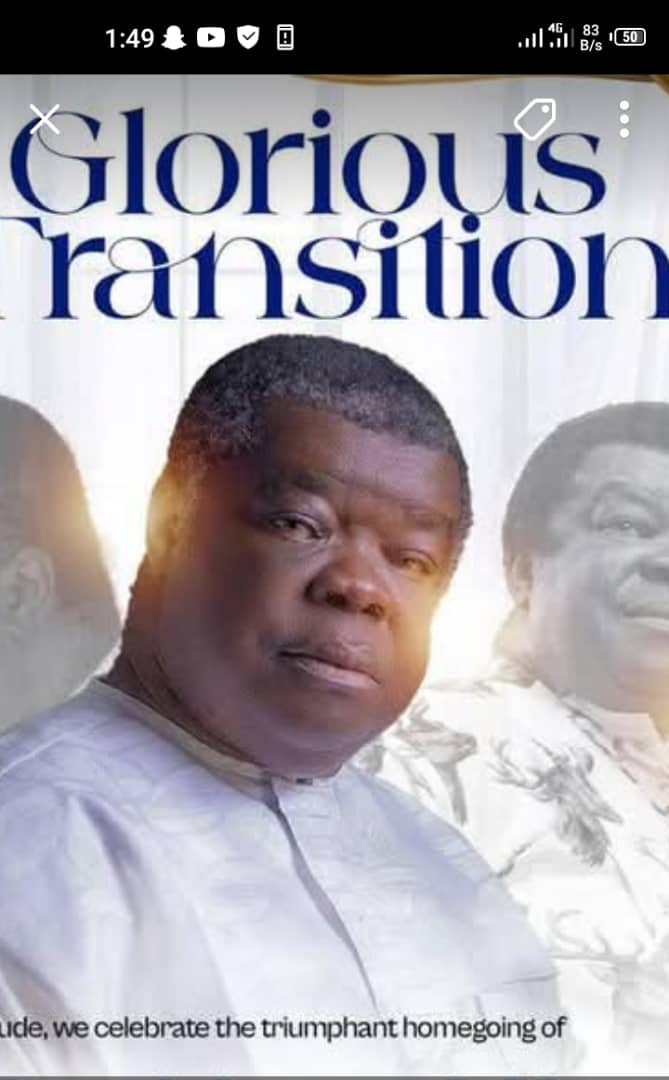
The Christian Media Forum has joined millions of people around the world to mourn the passing of renowned Nigerian evangelist and founder of the Uma Ukpai Evangelistic Association, Rev. Dr. Uma Ukpai.
His demise has left a void in the body of Christ and the world at large.
In a statement signed by its National President, Okpani Jacob Onjewu Dickson, and its National Secretary, Andrew Ibrahim Mshelia, the Christian Media Forum described the renowned evangelist as a man who devoted his life to the service of God and humanity.
“Rev. Dr. Uma Ukpai’s life was a testament to his unwavering commitment to spreading the Gospel and serving the Lord. His dedication to his calling inspired countless people, and his legacy will continue to live on.”
The Christian Media Forum noted that Rev. Dr. Uma Ukpai will be greatly missed for his boldness in speaking truth to power. His voice was a beacon of hope and guidance for many, and his absence will be deeply felt.
“As the body of Christ mourns the loss of this great servant of God, we pray that Almighty God grants the family, nation, and his followers all over the world the fortitude to bear the loss.
“Rev. Dr. Uma Ukpai’s passing comes at a time when Nigeria and the world need his guidance and inspiration most. His departure will be felt by many who looked up to him for direction and mentorship.
“However, we take solencs in the fact that he leaves behind a life worthy of emulation for other Christian believers to follow. His legacy serves as a reminder of the impact one person can have on the world,” the statement said.
The Christian Media Forum saluted the life and ministry of Rev. Dr. Uma Ukpai, celebrating his achievements and the countless lives he touched through his evangelism and teachings.
“As we celebrate his life, we also acknowledge the void his passing has created. His absence will be felt in pulpits, conferences, and crusades where his voice once echoed.
“We pray that the memories of his life, ministry, and teachings will continue to inspire and guide us. May his legacy motivate us to live lives of purpose and dedication to the service of God and humanity,” it said.
The Christian Media Forum said that it stands in solidarity with the family, friends, and loved ones of Rev. Dr. Uma Ukpai during this difficult time.
“We pray for God’s comfort and peace to be upon them.
“As we mourn the loss of this great servant of God, we also look forward to the legacy he leaves behind. His life and ministry serve as a challenge to us all to live lives that honor God.
“Rev. Dr. Uma Ukpai’s impact on the body of Christ in Nigeria and beyond will never be forgotten. His teachings and writings will continue to inspire and guide generations to come.
“The Christian Media Forum commends the Uma Ukpai Evangelistic Association for their dedication to spreading the Gospel and serving the Lord. We pray that God will continue to guide and bless their efforts.
“As we say farewell to this great servant of God, we take comfort in the promise of eternal life. We pray that Rev. Dr. Uma Ukpai’s soul rests in peace, and that he receives his heavenly reward.
“The Christian Media Forum will continue to uphold the values and principles that Rev. Dr. Uma Ukpai stood for. We will strive to emulate his example of dedication, compassion, and commitment to the service of God and humanity.
“May the legacy of Rev. Dr. Uma Ukpai continue to inspire and guide us as we navigate the challenges of life. May his memory motivate us to live lives of purpose and dedication to the service of God and humanity, ” the statement said.
Author Archives: News All Around
Writer,Blogger,Historian, Journalist
Celebrating a Phenomenal Leader at 40: A Beacon of Excellence, Vision, and Inspiration!
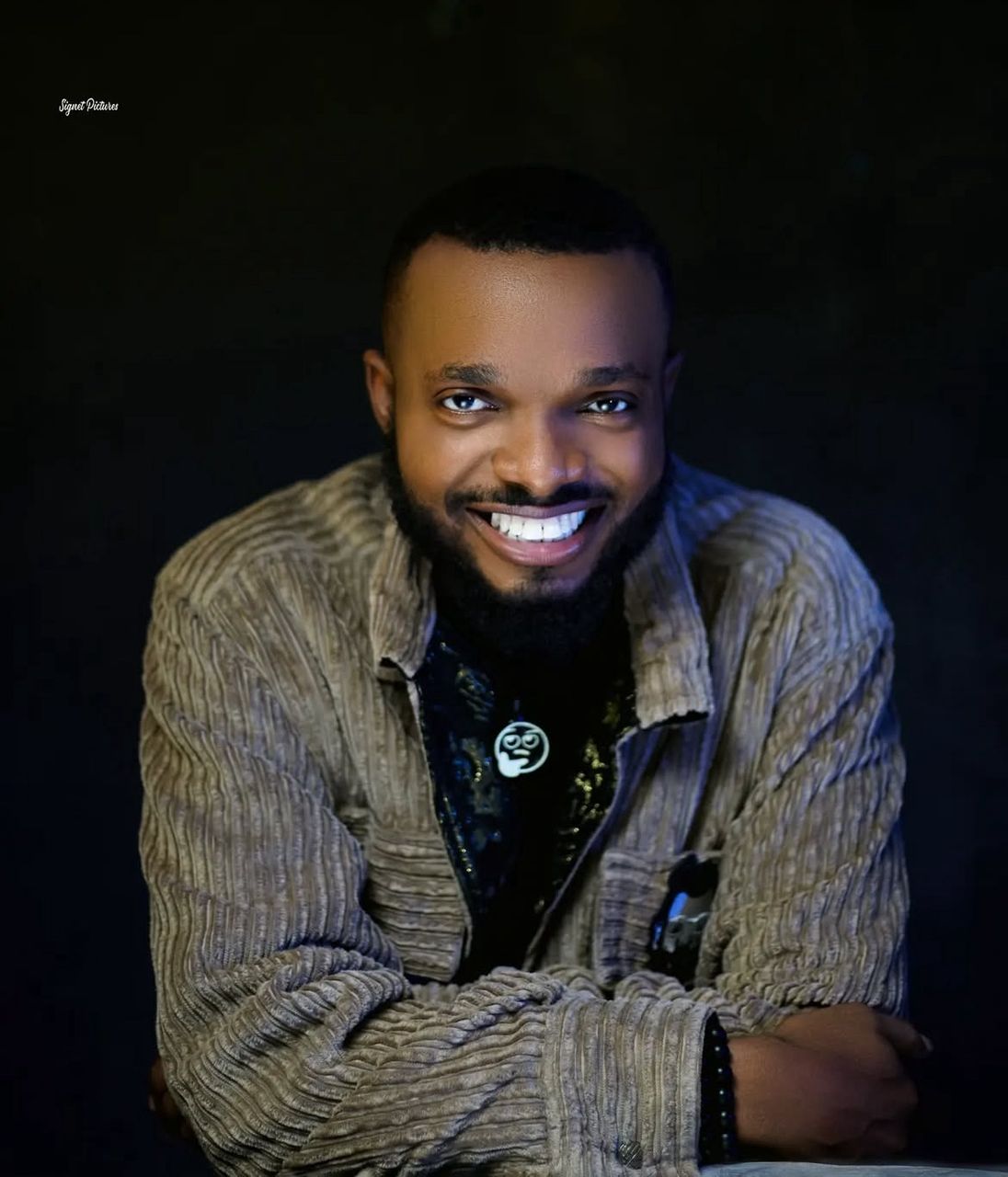
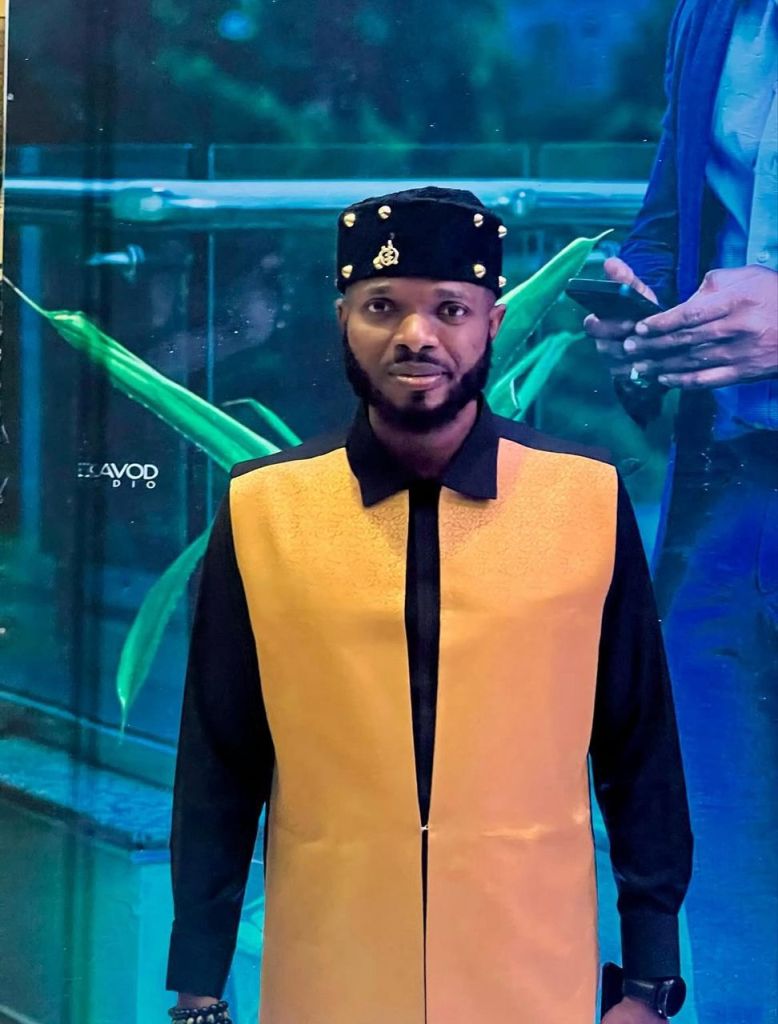
Today, we celebrate not just your 40th birthday, but the incredible journey of a man whose life continues to illuminate paths, transform destinies, and inspire greatness. You are a true visionary — a trailblazer whose brilliance, humility, and relentless drive have redefined leadership and purpose.
In just four decades, you have achieved what many only dream of — building a legacy anchored on excellence, integrity, and compassion. You have turned obstacles into opportunities, challenges into stepping stones, and dreams into tangible impact. Your leadership is not only transformative but deeply human — driven by faith, courage, and an unwavering belief in the power of goodness.
You are more than a leader; you are a mentor, a motivator, and a symbol of hope. Your ability to inspire others, to see potential where others see limits, and to lead with both heart and intellect sets you apart as one of a kind. The world around you is better, brighter, and bolder because of your influence.
As you celebrate this remarkable milestone, may your light shine even brighter. May divine wisdom guide your steps, may new doors of greatness open before you, and may your impact continue to ripple across generations.
Forty looks extraordinary on you — because every year has been a chapter of purpose, passion, and power. The journey ahead holds even more glory, greater victories, and deeper fulfillment.
You are God’s masterpiece — a blessing to your family, your organization, your community, and the nation. May this new decade usher in fresh grace, boundless joy, and endless triumphs.
With profound love, admiration, and warmest wishes
Shedy Oka and Family
Kaduna Triumphs: Hon. Rabi Salisu Becomes Vanguard of APC Women Leadership
By Hauwa Samuels
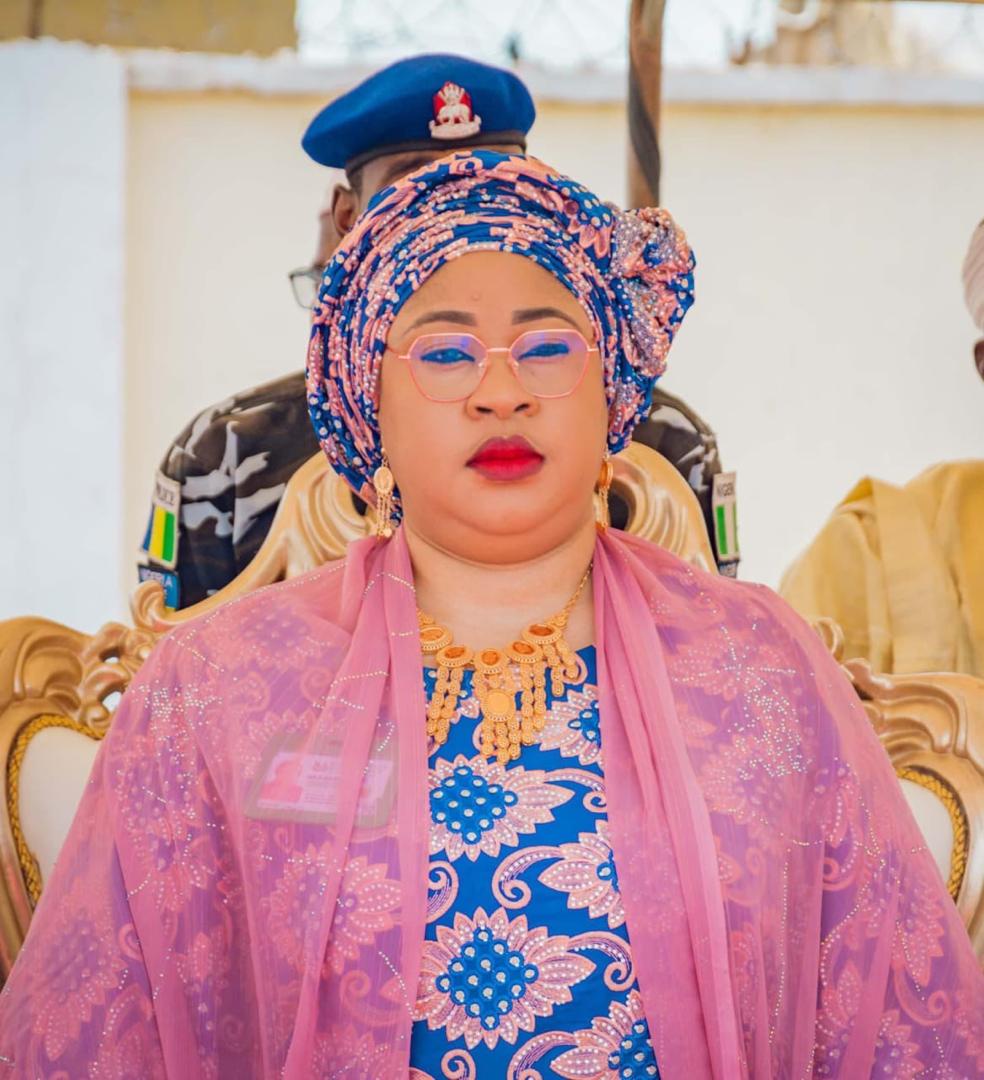
Kaduna State has once again set the pace in progressive women leadership as Hon. Rabi Salisu, the Commissioner for Women Affairs, has emerged as the Leader of the Forum of Women Commissioners from APC-governed states.
Her unanimous election took place at the Progressive Governors Forum (PGF) Agenda Setting Meeting held on October 7, 2025, at the PGF Secretariat in Abuja. The forum, which brings together Women Affairs Commissioners from the 23 APC states, focused on setting a bold agenda for women’s transformative leadership, economic empowerment, and inclusive governance.
Delegates described Hon. Rabi Salisu’s emergence as a major win for Kaduna State, applauding her dynamic leadership and Governor Uba Sani’s strong commitment to women inclusion and empowerment. Her elevation, they said, reflects Kaduna’s growing influence as a model of progressive governance in Northern Nigeria.
In a communiqué issued at the end of the meeting, the Commissioners passed a Vote of Confidence on all Progressive Governors, commending their people-centered reforms in education, health, agriculture, digital innovation, and youth development.
The Forum also praised President Bola Ahmed Tinubu for his courageous reforms, increased inclusion of women and persons with disabilities, and efforts at uniting the nation under the Renewed Hope Agenda.
Among other resolutions, the Commissioners called for greater synergy between federal and state women empowerment programmes, policy domestication across APC states, and stronger accountability frameworks for inclusive growth.
The meeting, coordinated by the PGF Secretariat under Director-General Folorunso S. Aluko, adjourned to reconvene from December 14 to 16, 2025.
Hon. Rabi Salisu’s new role, according to participants, signals a fresh momentum for women empowerment and cross-state collaboration under the APC’s progressive governance banner.
Nigeria Honours Alhaji Bafarawa at 71, Salutes His Legacy of Integrity and Leadership
Musa Maya
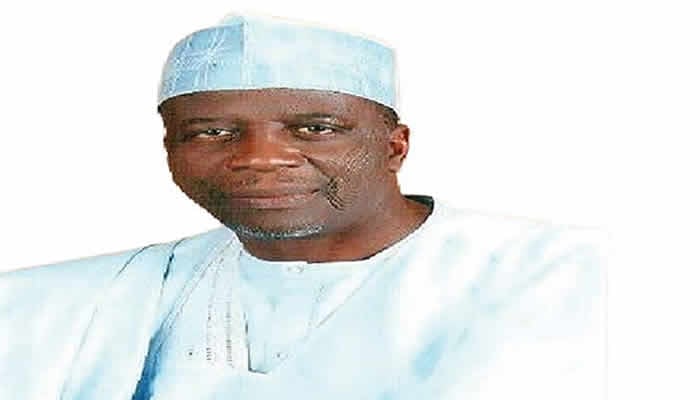
The Capacity Movement has extended warm and heartfelt felicitations to His Excellency, Alhaji (Dr.) Attahiru Dalhatu Bafarawa, CON, on the occasion of his 71st birthday, describing him as a towering figure in Nigeria’s political and developmental landscape.
In a statement signed by its National President, Alhaji Shehu Sani Sado, the Movement praised the former Sokoto State Governor for his unwavering commitment to national unity, good governance, and the empowerment of the northern region.
According to Alhaji Sado, Alhaji Bafarawa’s life and career have been defined by visionary leadership, integrity, and dedication to the service of the Nigerian people. He noted that from Bafarawa’s time as Executive Governor of Sokoto State to his enduring role as an elder statesman, he has consistently demonstrated exceptional political maturity, capacity, and patriotism.
“Your Excellency, your life has been a beacon of leadership and service,” the statement read. “You remain one of the few political figures in Northern Nigeria whose voice commands respect across political and generational divides.”
Alhaji Sado further lauded Bafarawa’s efforts in promoting peace, inclusion, and youth empowerment, particularly through mentorship and philanthropic initiatives that have touched lives beyond the borders of Sokoto State.
“As you mark this significant milestone, we join your family, friends, associates and well-wishers across the country and beyond in celebrating a life dedicated to public service, empowerment, and peacebuilding,” he said.
The statement concluded with a prayer for continued health, strength, and divine guidance for the elder statesman.
“May Almighty Allah continue to bless you with sound health, wisdom, and strength as you remain a guiding light for the younger generation and a source of inspiration for leaders across Nigeria. Happy 71st birthday, Your Excellency.”
Recall that Alhaji Bafarawa served as Governor of Sokoto State from 1999 to 2007 and has remained active in national discourse, known for his forthright views and bridge-building efforts across Nigeria’s socio-political spectrum.
By Adole Onma
ENDS
Dr. Nita Byack George Commends Gov. Uba Sani’s Dedication to Gender Inclusivity and Women Empowerment
By Grace Todo
Hon. (Dr.) Nita Byack George, a respected administrator and advocate for women’s empowerment, has commended the Kaduna State Government under the leadership of Governor Uba Sani for its strong commitment to gender inclusivity and empowerment.
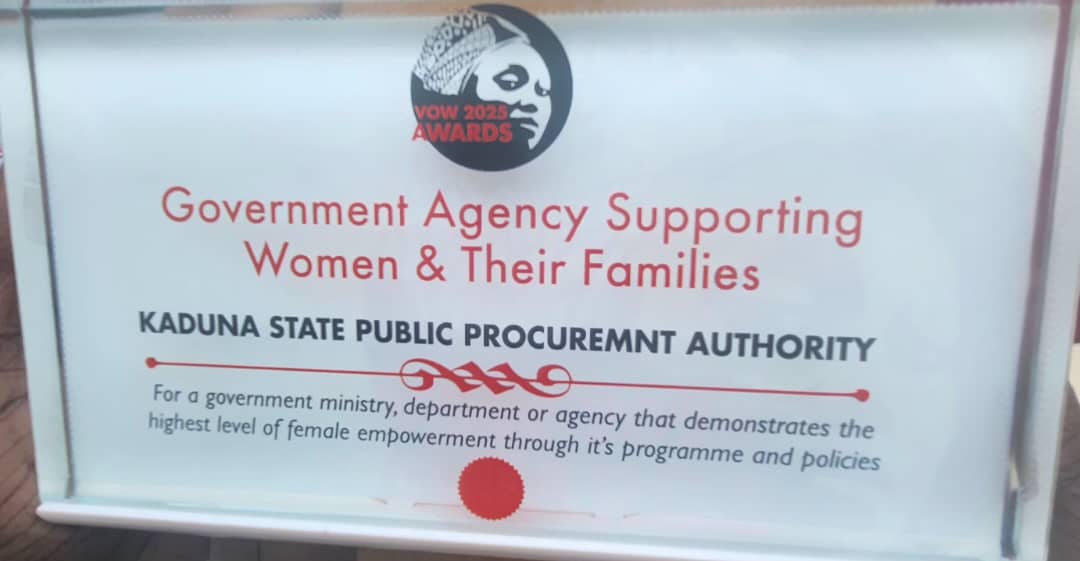
Her commendation came after Kaduna State received recognition at the 9th Voice of Women Conference and Awards (VOW2025) held in Abuja, where the Kaduna State Public Procurement Authority (KADPPA) won the award for “The Government Agency Supporting Women and Their Families.”
Dr. George described the honour as “a remarkable testament to visionary leadership and progressive policy.”
“I am thrilled to congratulate the Kaduna State Government under the able leadership of His Excellency, Senator (Dr.) Uba Sani, CON. This award is not just a recognition of KADPPA’s work, but a validation of the state’s unwavering commitment to gender equality and inclusion,” she said.
Dr. George, the immediate past Administrator of Jaba Local Government Area, who attended the event as a Special Guest, noted that the award reflects the tangible outcomes of policies that prioritize women’s empowerment.
“As someone who has dedicated years to advocating for women’s health, empowerment, and leadership inclusion at both national and international levels, I am heartened to see the real impact of deliberate, gender-responsive governance,” she added.
She highlighted key milestones achieved under Governor Uba Sani’s administration, such as the Women Affirmative Procurement Policy recently approved by the Kaduna State Executive Council, and the establishment of a Gender Responsive Department and Desk at KADPPA under the leadership of its Director-General, Engr. Sanusi A. Yero.
“These initiatives show that Kaduna is not just talking about inclusivity—it is institutionalising it. Governor Uba Sani’s administration is setting a model for others across Nigeria to emulate,” she remarked.
Commending the governor’s broader advocacy for women’s political participation, Dr. George praised his unwavering support for the Reserved Seat for Women Bill, which is currently gaining momentum at the National Assembly.
“I must commend Governor Uba Sani’s leadership and vision for championing gender-sensitive policies, especially the Reserved Seat for Women Bill. I am proud to be part of a network of advocates working tirelessly to ensure the passage of this bill, which will undoubtedly increase women’s representation in politics and decision-making positions,” she said.
Dr. George also lauded the administration of President Bola Ahmed Tinubu for its continued commitment to advancing women’s empowerment and inclusivity.
“The current administration has shown a strong resolve to promote inclusivity. I am honoured to be a part of this journey, working alongside like-minded individuals, governments, and partners such as the Ministry of Women Affairs, UN Women, the League of Women Voters, and Voice of Women Radio to create a more equitable society,” she stated.
She further praised the leadership of the National Assembly, describing their commitment to the Reserved Seat for Women Bill as “historic.”
“I wish to commend the Rt. Hon. Tajudeen Abbas (GCON)-led House of Representatives and the Sen. Godswill Akpabio (GCON)-led Senate for their immeasurable commitment to ensuring that the Reserved Seat for Women Bill gains Presidential assent and full implementation. I am optimistic that equal political representation will soon become a conquered struggle in Nigeria,” she said.
Dr. George called for sustained collaboration among government institutions, civil society organisations, and development partners to strengthen ongoing gender advocacy efforts.
“Congratulations to the Kaduna State Government and KADPPA on this well-deserved recognition. Let us continue to work together to build a brighter future for women and girls in Kaduna State, Nigeria, and beyond,” she concluded.
Nigeria Shall Rise: Yari’s Bold Call on Independence Day
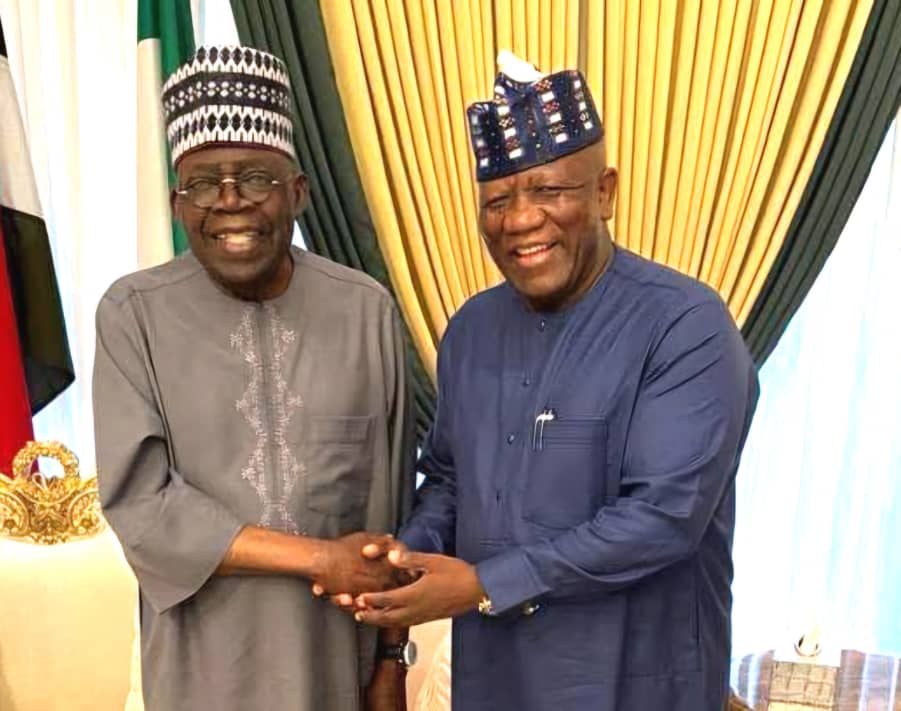
Distinguished Senator of the Federal Republic of Nigeria and former Governor of Zamfara State, Senator Abdul’aziz Yari Abubakar, has joined millions of citizens to celebrate Nigeria’s Independence Day, describing it as a sacred milestone that embodies the nation’s resilience, unity, and unwavering hope.
In a congratulatory message, Senator Yari extended warm felicitations to President Bola Ahmed Tinubu, GCFR, and to all Nigerians at home and abroad, stressing that October 1st goes beyond a date on the calendar. According to him, it represents the triumph of self-determination, the promise of self-governance, and the collective pursuit of a prosperous future.
Reflecting on the significance of the day, the Zamfara-born statesman urged Nigerians to honour the sacrifices of the nation’s founding fathers, the courage of its people, and the enduring strength in its diversity. “From the bustling streets of Lagos to the serene hills of Jos, from the industrious East to the proud heritage of the North—we are one Nigeria, bound by shared dreams and a common purpose,” he declared.
Senator Yari commended President Tinubu for his leadership and commitment to national development, security, and economic revitalization. He expressed confidence that the National Day celebration would rekindle a collective resolve to build a just and peaceful society where opportunities abound for all citizens.
“To every Nigerian, I say: stand tall, be proud, and keep believing. The journey may be long, but our spirit is unbreakable. Together, we shall rise,” Yari affirmed in an inspiring message to citizens.
He prayed for divine blessings on Nigeria, adding: “Happy Independence Day, Nigeria. May God bless our homeland and guide her path.”
Yari Family Thanks Tinubu, Akpabio, Abbas, Others for Wedding in Kaduna
By John Odumu
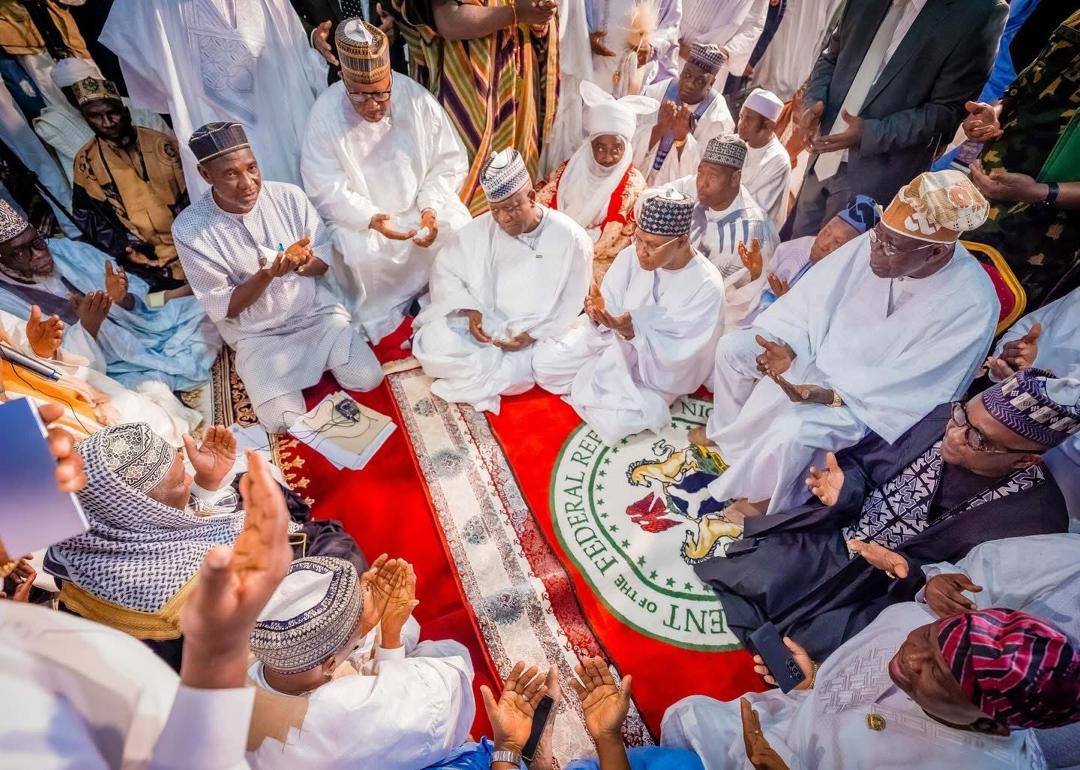
The family of Kayayen Mafara Yari Abublakar has expressed deep gratitude to President Bola Ahmed Tinubu, Senate President Godswill Akpabio, Speaker of the House of Representatives Tajuddeen Abbas, and several other dignitaries who attended the wedding of their son, Nasirudeen Abdul’aziz Yari, and his bride, Safiya Shehu Idris.
The grand ceremony, held on Friday, September 19, 2025, at the historic Sultan Bello Mosque in Kaduna, drew a diverse gathering of political leaders, business executives, traditional rulers, clerics, and friends from within and outside Nigeria.
In a message issued after the event, the family said President Tinubu’s presence added immense honor to the occasion, noting that his attendance alongside top officials was “a rare gesture of friendship and unity.”
“We are humbled by the show of love, goodwill, and solidarity. The joy of this celebration was amplified by the presence of our leaders, colleagues, and associates who came from far and near to identify with us,” the statement read.
Beyond political leaders, the family also acknowledged the warmth of well-wishers from the business and religious communities, describing the wedding as a symbol of harmony and shared values across Nigeria.
The appreciation message was jointly signed by family members and associates, including H.E. Mukhtar Shehu Idris (Kogunan Gusau), Engr. Abdullah Abdulkarim Tsafe, PhD (Katukan Tsafe), Alhaji Jafar Abubakar Yari, Hon. Abdulmalik Zubairu (Zannan Bungudu), Alhaji Adamu Ahmed Mohammed, Alhaji Sa’adu Faruk Muhammad, Alhaji Kabiru Mohammed Kamba, Hajia Balkisu Saidu, Alhaji Shehu Sani, Hajia Juwairat Abubakar, Alhaji Abubakar Sadiq Muhammad, Alhaji Aliyu Yahaya Yari, Mr. Akan Daniel Japhet, Mrs. Agbanowo Vestal Chinasom, and Miss Obaja Anuoluwa Esther.
FG Sets Up Committee to Drive National Energy Master plan
Abigail James
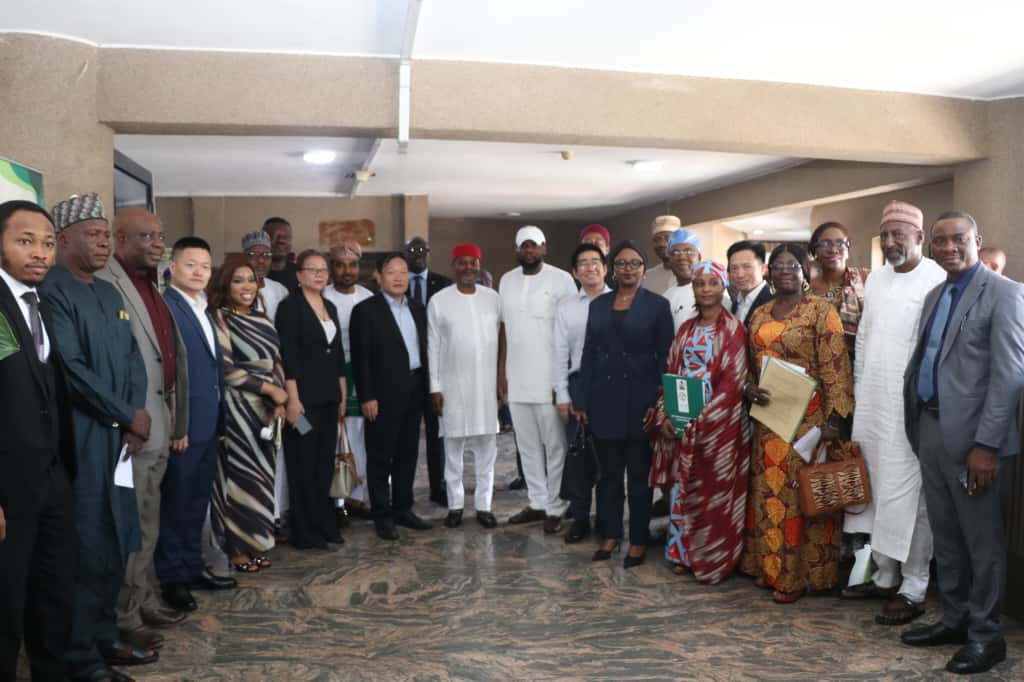
In its committed drive to deliver on the Renewed Hope Initiative of President Bola Ahmed Tinubu’s administration, the Federal Ministry of Science, Technology, and Innovation, in partnership with the Energy Commission of Nigeria (ECN), has successfully inaugurated the National Energy Masterplan Implementation Committee (NEMIC).
The inauguration of the committee members took place during a high-level ceremony held at the Minister’s Conference Room, with the Chairman/National Coordinator, Co-Chairman, and Members in attendance.
The event, which marked a historic milestone in Nigeria’s energy sector reform efforts, underscored the Federal Government’s determination to deliver a coordinated and sustainable energy transition under the Renewed Hope Agenda.
Others in attendance included senior government officials, development partners, representatives of the private sector, civil society organizations, and international stakeholders, all of whom expressed strong support for the Masterplan’s implementation.
In his welcome address, the Director-General of the Energy Commission of Nigeria, Dr. Mustapha Abdullahi, emphasized that the National Energy Masterplan serves as a comprehensive blueprint to ensure energy security, expand access to reliable electricity, promote renewable energy, and reduce Nigeria’s carbon footprint in line with global climate goals.
Goodwill messages delivered by development partners, ministries, and other stakeholders reflected a shared commitment to building strong institutional frameworks, mobilizing investments, and strengthening technical capacities to drive the Masterplan’s successful implementation.
Delivering the keynote address, the Minister of Science, Technology, and Innovation, Chief Uche Geoffrey Nnaji, reaffirmed the Federal Government’s commitment to modernizing the energy sector, strengthening public-private partnerships, and promoting indigenous innovation in energy technologies.
The Minister stressed that the work of NEMIC would be critical in ensuring that Nigeria’s energy infrastructure keeps pace with industrial growth, population expansion, and environmental sustainability imperatives.
Northern Ulamas Pray for Wike, Applaud His Abuja Reforms
By Bilkisu Danni
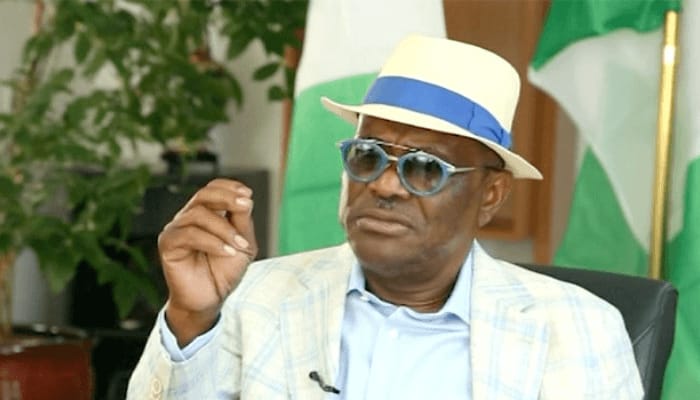
A group of Islamic clerics in Northern Nigeria have offered special prayers for the speedy recovery of the Minister of the Federal Capital Territory (FCT), Nyesom Wike, following reports alleging that he has been battling with ill health.
The clerics, under the umbrella of the Council of Concerned Northern Ulamas, who converged on Kaduna for special prayers for the nation, extolled Wike’s leadership qualities and “giant developmental strides” since assuming office as FCT Minister.
Speaking after the prayer session, Sheikh Musa Abdullahi, one of the leading clerics, described Wike as “a pragmatic leader who has redefined governance in Abuja through infrastructure renewal, security enhancement, and people-oriented policies.”
He noted that although the minister has faced political attacks and rumours concerning his health, Nigerians should instead focus on supporting him to succeed in his national assignment.
“Our prayer is for Allah to grant him sound health, protection, and wisdom to continue serving the country. Wike has shown uncommon courage in transforming Abuja, and such a leader deserves encouragement, not false speculations,” Sheikh Abdullahi said.
The clerics also commended President Bola Ahmed Tinubu for entrusting Wike with the FCT portfolio, stressing that the ongoing reforms and visible projects in the capital city are “clear evidence of the renewed hope agenda at work.”
They urged Nigerians to shun divisive politics and join hands in prayers for leaders, insisting that national unity and development can only thrive in an atmosphere of peace and goodwill.
Top Northern Group Reaffirms Support for Defence, Security Chiefs, Urges Caution and Collective Action on National Security
By Ladi Magaji
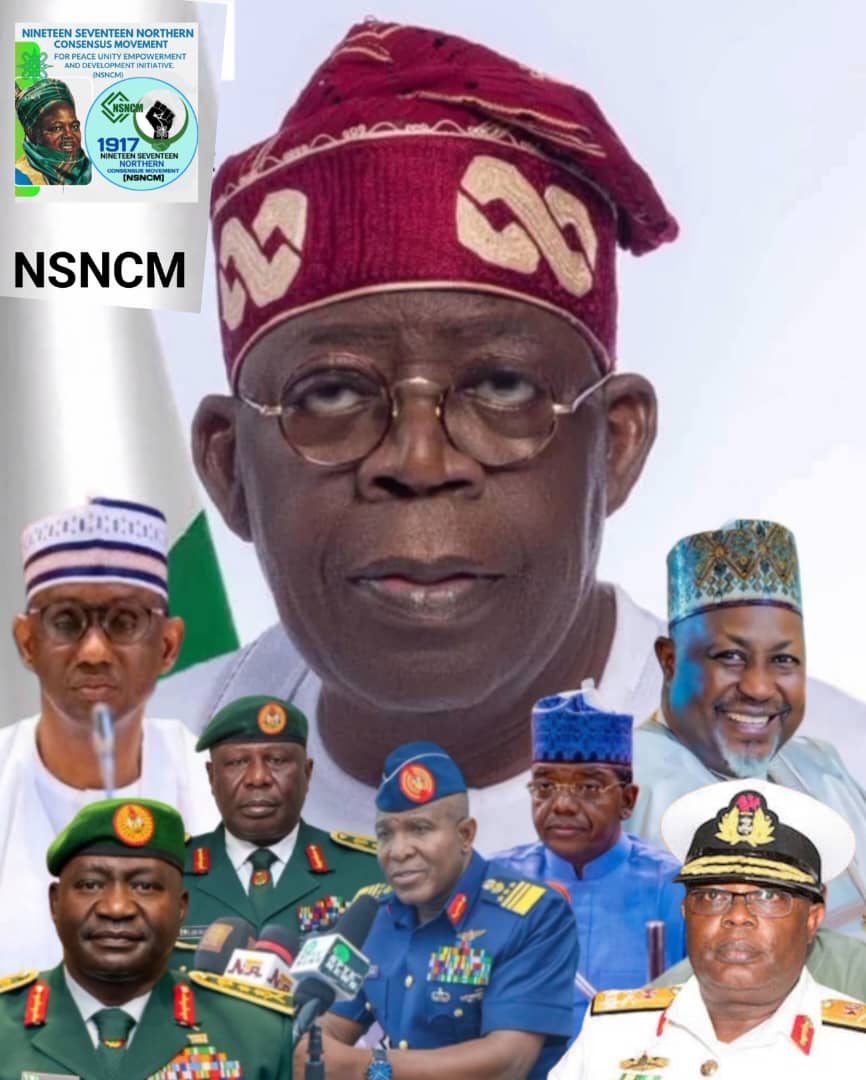
Kaduna, Nigeria – The Nineteen Seventeen Northern Consensus Movement (NSNCM) for Peace, Unity, Empowerment and Development Initiative, an umbrella body of 598 registered associations across the North and among Northerners resident in the South, has thrown its weight behind Nigeria’s current defence and security leadership, urging Nigerians to rally in support of their efforts.
In a statement signed by its National President, Awwal Abdullahi Aliyu Sarkin Yakin Kanya Babba, the movement described the appointments of Minister of Defence, Mohammed Badaru Abubakar, Minister of State for Defence, Bello Matawalle, National Security Adviser, Malam Nuhu Ribadu, and the current service chiefs – General Christopher Musa (Chief of Defence Staff), Lieutenant General Olufemi Oluyede (Chief of Army Staff), Air Marshal Hassan Bala Abubakar (Chief of Air Staff), and Vice Admiral Emmanuel Ogalla (Chief of Naval Staff) – as “the best thing that has happened to the Nigerian Defence sector in recent times.”
The group said it was compelled to speak out “not out of prejudice but in the spirit of cohesion and caution” to strengthen public trust in the country’s security institutions.
According to the NSNCM, the defence and security chiefs have in the past two years adopted fresh strategies, “thinking out of the box” and employing global best practices that have led to major gains in the fight against insecurity.
The movement highlighted key achievements including: Improved synergy among security agencies and paramilitary outfits; Capacity building and better welfare for personnel, Stronger collaboration with neighbouring nations, Enhanced maritime security and curbing of piracy, Safer passageways for goods and people across the country, Upgraded arsenal and training for troops, Expanded special operations forces, and Boosted civil-military relations through whistleblower protection and intelligence sharing.
The group also commended the re-engagement of strategic defence institutions such as the Defence Industries Corporation of Nigeria (DICON), Nigerian Defence Academy (NDA), National Defence College, Armed Forces Command and Staff College (Jaji), and the Defence Space Administration, among others.
The NSNCM urged Nigerians to provide constructive criticism, intelligence sharing, and cooperation with security agencies rather than calling for the removal of service chiefs.
“Security is a collective responsibility. We must all work together to ensure our communities are safe,” the statement read. “If you see something, say something. What we need is cohesion, caution, and positive engagement, not destructive rhetoric.”
The group expressed concern over calls for the removal of current security heads, demanding investigations into the activities of individuals or groups behind such campaigns.
“Spectators and commentators on national security must contribute ideas that build, not destroy. We have an accommodating and listening leadership team in place, and it is only right that Nigerians rally behind them,” NSNCM said.
Reaffirming its faith in Nigeria’s future, the movement concluded: “We have a great nation to build and protect, to the admiration of other nations. Long live the Federal Republic of Nigeria.”
 News Facts Daily