By: Luka Binniyat
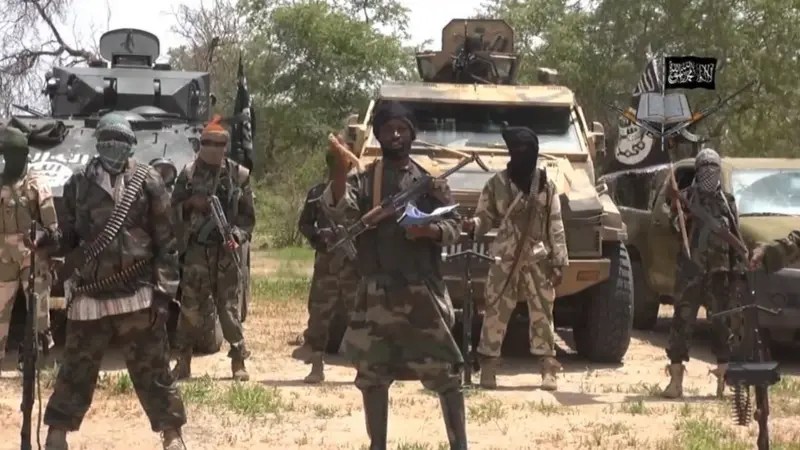
Very few care to know that Boko Haram, largely constituted by the Kanuri ethnic group, is in fact a resurgence of the ancient Kanem-Borno Jihad against non-Muslim tribal groups west and southwest of its former empire.
The early rulers of Kanem-Borno (the Mai) had embraced Islam as far back as the 11th century AD. Thatn is nearly seven centuries before Usman dan Fodio’s Fulani Jihad of 1804–1810.
In their bid to expand their empire and spread Islam to the ancient indigenous communities now found in Southern Borno, Adamawa, and Gombe, grave atrocities were committed against native populations.
Yet, many of these peoples showed remarkable resilience. Using their rugged terrains and indomitable fighting spirit, they fiercely defended their independence.
The expansionist campaign reached its height between 1573 and 1603, under the reign of Mai Idris Aloma, though he merely intensified the brutal incursions of his predecessors.
All men of honour, dignity, and love of liberty must salute those brave ancestors who fought gallantly to preserve the identity, culture, and territorial rights of today’s generation.
Curiously, the Fulani Jihad later attempted to overrun Kanem-Borno in 1808, when Goni Mukhtar led Dan Fodio’s jihadist army to attack Ngazargamu, the capital of the Borno Empire. Had it not been for the intervention of Muhammad al-Amin al-Kanemi, a Shuwa Arab commander from the Chad region, Usman dan Fodio might have successfully annexed the Kanuri into the Sokoto Caliphate.
It is also important to note that during Dan Fodio’s lifetime, his Caliphate largely conquered Hausa lands and city-states. His main foot soldiers were Hausa converts, along with other few non-Hausa and non-Fulani who had converted to Islam.
Thus, the historic rivalry between the Kanuri on one side and the Hausa-Fulani on the other stems from what the Kanuri perceive as an affront and a challenge to their older Islamic heritage, which predated the Fulani Jihad by centuries.
Sadly, despite the glory of these two great Islamic states, the British conquered Borno in 1902 and Sokoto in 1903. The colonial powers then subdued and subjugated the smaller ethnic nations that neither empire could conquer. In a cruel twist, handed them over to their historical foes through indirect rule.
I write this article to remind us that it is almost forgotten that the Kanuri were the first to launch a jihad against other ethnic nationalities to the west and south of their empire. And no jihadist expedition is ever a picnic. It is savagery at its worst, as witnessed today in the barbarity of the new jihadists ravaging Central Nigeria and other regions.
What Boko Haram represents today is a revival of the ancient Kanuri jihad in the North-East, just as the Fulani armed militias are resurrecting the Usman dan Fodio jihad. Both movements spare neither Muslims who are not Kanuri or Hausa, nor non-Muslims, on whom they unleash far greater cruelty.
That is why it is baffling when some comfortable Muslim leaders and compromised Christian leaders try to deny or downplay the genocide being committed by these groups against other ethnic nationalities.
Christians in the affected Middle Belt regions are facing existential threats, thier lands taken away and their outcry against evil should not silence Muslims who are also facing genocidal violence elsewhere in Northern Nigeria.
Genocide, whether perpetrated against Christians or Muslims, must stand utterly condemned.
It is a shameful tragedy that some notable voices still choose to suppress the truth.
…………………………………….
Luka Binniyat is a journalist, social commentator and a human rights activist. He writes from Zamandabo village, Zangon Kataf LGA in Southern kaduna
@highlight @followers

 News Facts Daily