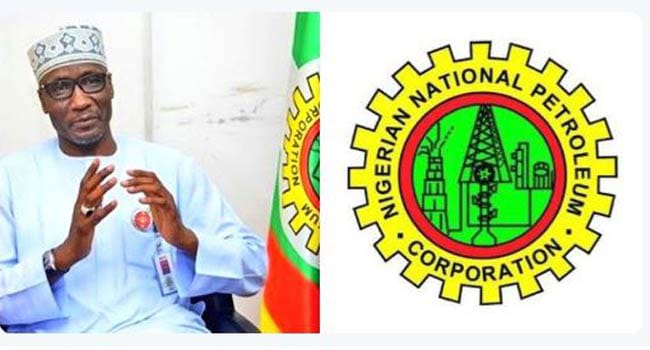
By Emmanuel Ochigbo
Energy & Policy Correspondent
Abuja, Nigeria — A storm of public outrage is brewing as over thirty civil society organisations (CSOs) have called for the resignation of the Group Chief Executive Officer of the Nigerian National Petroleum Company Limited (NNPCL), Mele Kyari, over what they describe as a “monumental fraud” involving refinery maintenance contracts.
At a joint press conference held in Abuja on Thursday, the CSOs accused Kyari and the NNPCL of mismanaging billions of dollars allocated for the turnaround maintenance (TAM) of Nigeria’s four refineries, all of which remain non-functional despite repeated financial commitments by the federal government.
“Over $25 billion has been spent on refinery maintenance in the last two decades, yet not a single litre of fuel has been refined locally under Kyari’s leadership,” said Comrade Ibrahim Yusuf, spokesperson for the Coalition for Energy Justice and Accountability. “This is not just mismanagement—it is a betrayal of public trust and a deliberate act of economic sabotage.”
The coalition announced plans to launch a nationwide protest beginning next week, demanding not only Kyari’s resignation but also an independent judicial panel to probe all refinery rehabilitation contracts awarded since 2019.
Among the specific allegations raised by the CSOs were:
The award of multi-billion naira contracts to companies with no prior expertise in refinery engineering;
Lack of transparency and due process in contract bidding and approvals;
Payment of huge sums to contractors despite little or no progress on the ground.
The Port Harcourt refinery, for example, was supposed to resume partial operations by December 2023 following a $1.5 billion rehabilitation contract awarded in 2021. But as of May 2025, the facility remains idle.
Halima Adamu, Executive Director of the Centre for Oil Sector Reform, described the situation as “an organized daylight robbery.” She said, “Our investigations show that some of these contracts were awarded without following procurement laws. In some cases, payments were made in advance with no performance guarantees.”
The CSOs also raised concerns that the ongoing fraudulent practices at the NNPCL could sabotage the current administration’s economic reforms and compound the already dire cost-of-living crisis.
Efforts to obtain a formal response from the NNPCL were unsuccessful. However, a senior NNPCL official, who requested anonymity, dismissed the claims as politically motivated, asserting that the Port Harcourt refinery would commence operations before the end of the year. “We are ahead of schedule and working in phases. The CSOs are simply uninformed,” the source claimed.
Despite such assurances, public confidence remains low. With Nigeria still importing nearly all its petroleum products and citizens bearing the brunt of skyrocketing fuel prices, many see the CSOs’ planned protest as a justified expression of public anger.
Energy analyst Dr. Chioma Okeke said the crisis reflects deeper structural issues within Nigeria’s oil governance framework. “We need more than just Mele Kyari’s resignation. We need a comprehensive audit of NNPCL operations and a long-term restructuring of the oil sector. Otherwise, this cycle of corruption and inefficiency will continue.”
As preparations for the protest intensify, the ball is now in President Bola Tinubu’s court. Will he respond with swift action to restore confidence, or will this scandal further deepen public cynicism about his administration’s anti-corruption stance?

 News Facts Daily