Abuja, Nigeria
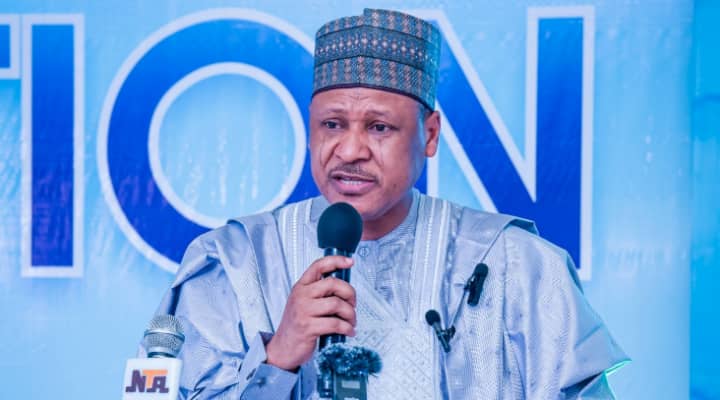
The Arewa Forum for Good Governance (AFGG) has thrown its weight behind Nigeria’s Minister of Information and National Orientation, Alhaji Mohammed Idris, amid a heated exchange over recent comments linked to insecurity in Borno State. The defense follows criticism from Borno State Governor Babagana Zulum and Senator Ali Ndume, who accused the minister of downplaying a deadly Boko Haram attack in Damboa and the resurgence of terrorism in the region.
The controversy erupted after media outlets quoted Idris as dismissing concerns about insurgent activities, with headlines such as *“Ignore Zulum, Boko Haram is not taking over Borno.”* Governor Zulum labeled the minister’s purported remarks as “naive,” stressing that the attack on the Damboa-Maiduguri Road—which killed eight people, injured seven, and left 14 others with minor injuries—underscored lingering security gaps.
In a statement signed by its Secretary, Comrade Yushau Mahmood, the AFGG asserted that the minister’s comments were “misrepresented” and taken out of context. The group accused certain media outlets of crafting “sensational headlines” to distort Idris’s stance, arguing that the reports diverted attention from federal efforts to combat insecurity.
“The Minister of Information could not have trivialized the tragic loss of lives in Borno. Governor Zulum’s criticism was based on a media narrative, not the federal government’s official position,” the statement read. It further urged collaboration between Borno authorities and the federal government to address security challenges, warning against “fault-finding” during a crisis.
The forum also rebuked Senator Ali Ndume (Borno South) for his sharp criticism of Idris, including his use of the term “Minister of Misinformation.” The AFGG described the remark as “unbecoming” of a lawmaker familiar with military operations, noting that Ndume, a former House Committee on Army chairman, should recognize the “enormous efforts” made to stabilize the region over the past 20 months.
While acknowledging the severity of insecurity in northern Nigeria, the group called for unity, stating, “This is a time for all stakeholders to work together, not trade blame.” It praised Zulum’s commitment to Borno’s security but expressed concern over his “reactive approach” to media reports.
The Federal Government has yet to issue an official response to the dispute. Meanwhile, the AFGG’s intervention highlights rising tensions over the portrayal of security successes and failures as Nigeria grapples with sporadic insurgent attacks despite military claims of progress.
Background:
Boko Haram and its splinter faction, ISWAP, remain active in northeastern Nigeria, though authorities insist their capabilities have been degraded. The Damboa-Maiduguri Road attack is among several recent incidents raising questions about the efficacy of counterinsurgency strategies. Governor Zulum has frequently criticized federal security operations, advocating for greater regional autonomy in defense matters.

 News Facts Daily